Homeowner's Guide to Extreme Weather in 2026: What's Next and How To Prepare

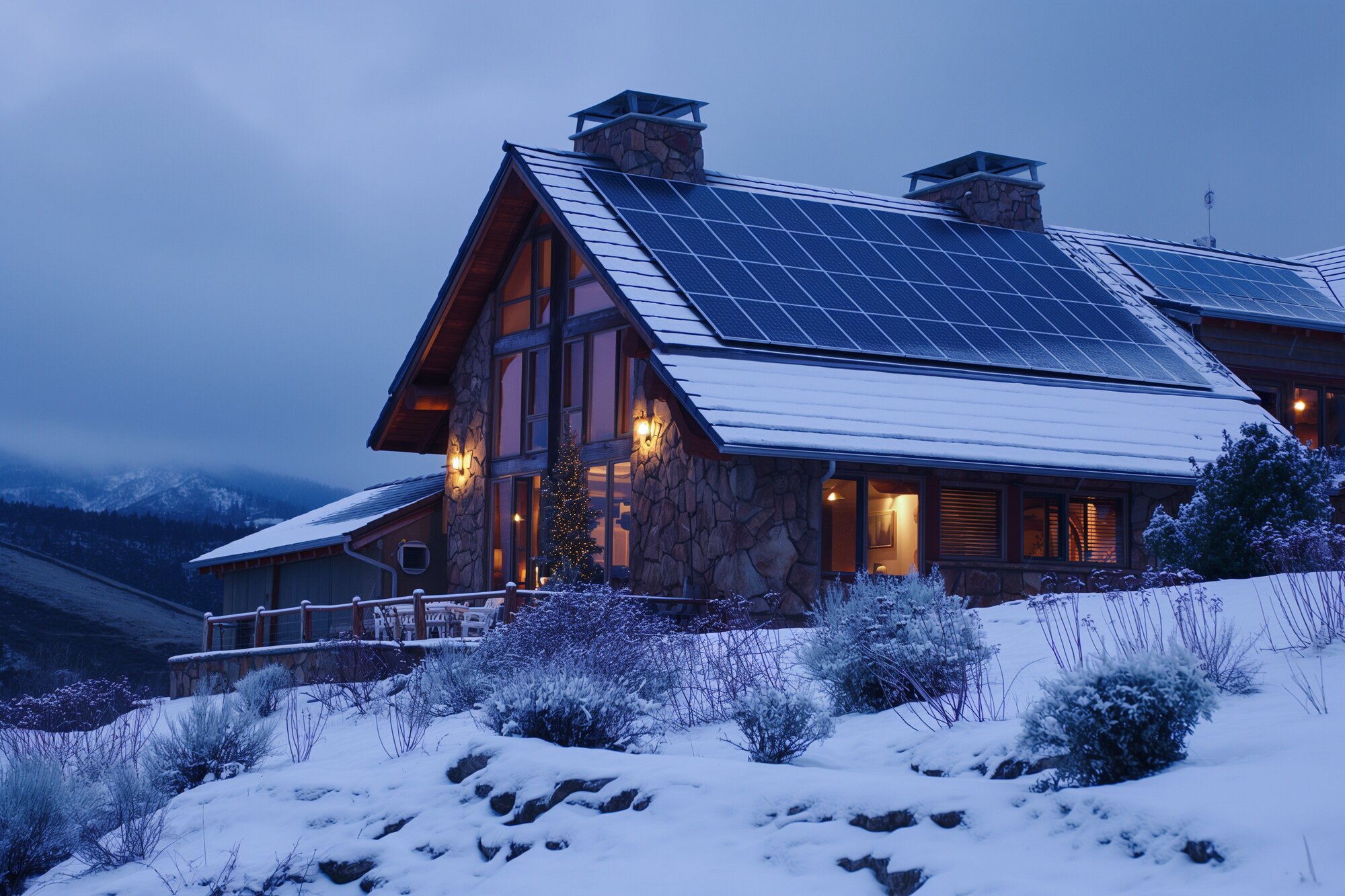
A person shovels snow in front of their home.

As 2025 wraps up, you're probably thinking about next year’s routine home tasks—cleaning gutters, changing filters, and maybe finally fixing that leaky faucet. But one task deserves a higher spot on your list: preparing for severe weather.

Wildfires, hurricanes, and other dangerous weather events are becoming more common.1 In fact, 84% of homeowners experienced more weather-related challenges in 2024, including flood or wildfire risks, hail storms, or hurricanes, according to our 2024 Housepower Report.

Yet, at the same time, only 33% of homeowners made home improvements to reduce severe weather risks in the last year, down from 39% in 2024, according to our 2025 Extreme Weather Survey

This guide explains how extreme weather affects homes in different U.S. regions, how homeowners can prepare, and the steps to take after a storm.

Key takeaways 

  • In 2025, 33% of homeowners said they made home improvements in the last year to reduce severe weather risks, down from 39% in 2024.    
  • Western homeowners were the most likely to prepare for severe weather. 37% took steps to mitigate potential weather damage in the last year.
  • 46% of homeowners spent more than $5,000 out of pocket on unexpected home repairs in 2024, up from 36% in 2023.
  • More than 1 in 5 homeowners say cost is the main barrier to weather-proofing their home.  


Western homeowners lead in extreme weather protection 

While outliers exist, extreme weather events affect some areas of the U.S. more than others. And according to our Extreme Weather Survey, most U.S. homeowners say they have taken at least one action to prepare, like contributing to an emergency fund. 

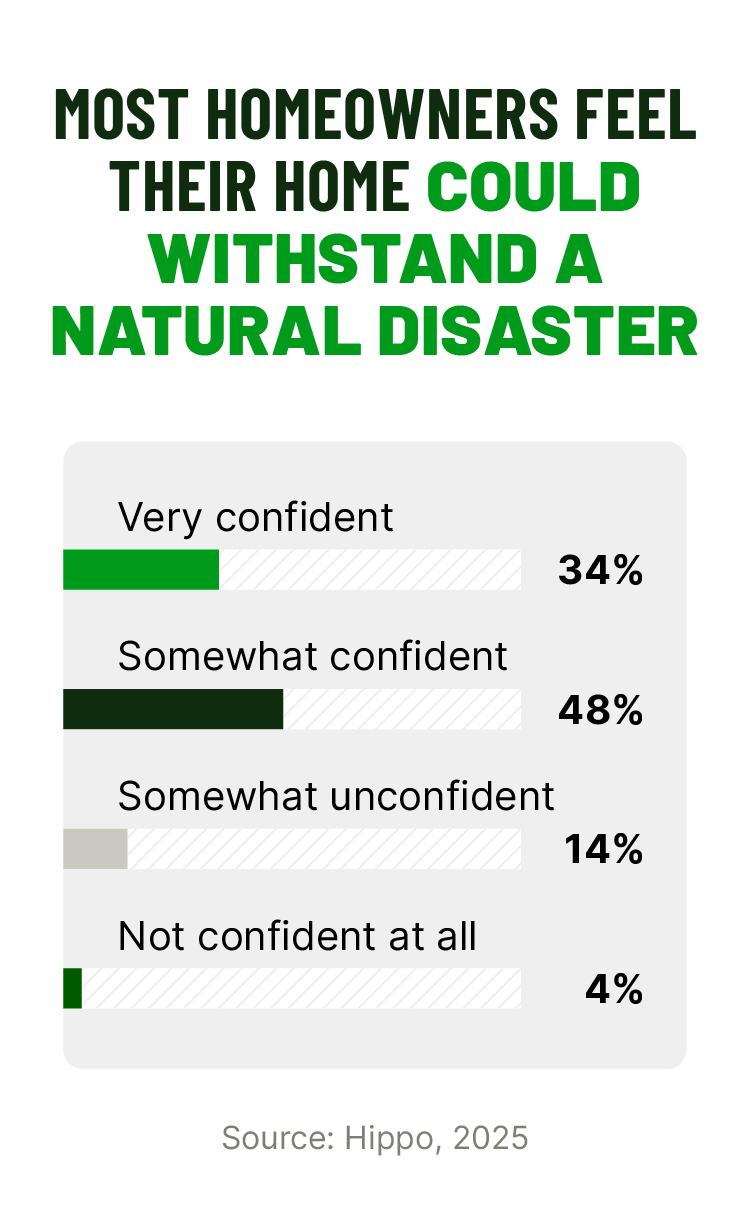
Overall, 82% of homeowners say they feel somewhat or very confident their home is prepared to withstand a natural disaster, according to our Disaster Preparedness Survey:
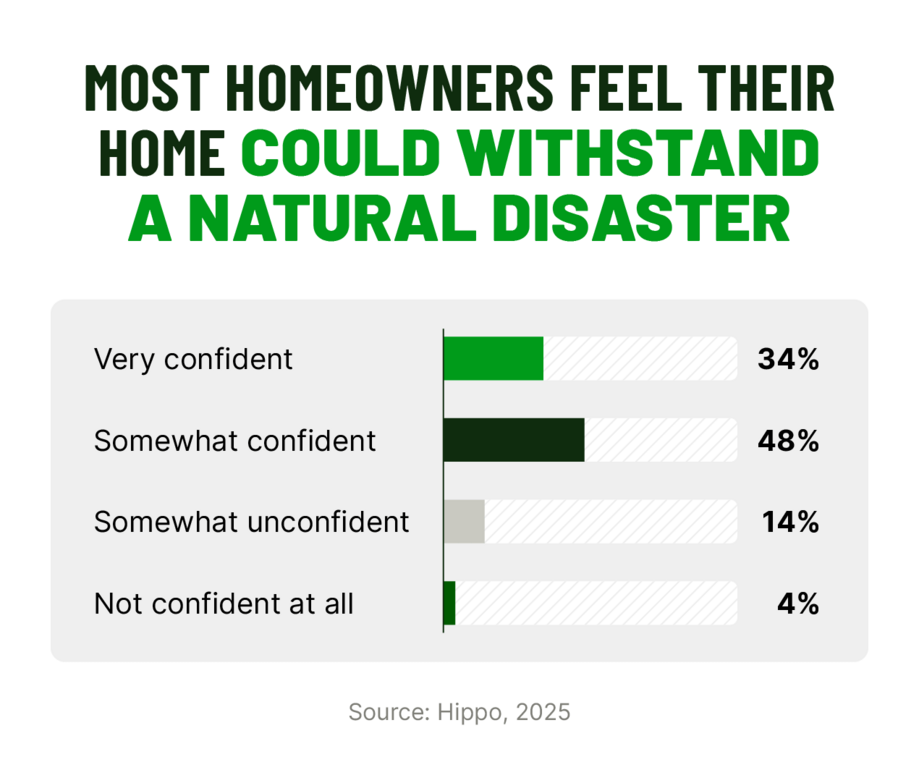
Graphic showing how homeowners feel about whether their home could withstand natural disaster: 34% feel very confident, 48% feel somewhat confident, 14% feel somewhat unconfident, and 4% feel not confident at all.
However, Hippo data shows that residents in storm-prone areas like the West and South are the most likely to have done something to mitigate the risk of damage:

The West

Nearly half (43%) of Western residents experienced an extreme weather event in 2025, up from 30% in 2023.2 And 37% took steps to protect their homes—more than any other region. Specifically, 16% purchased or renewed additional home insurance coverage, also more than any other region.

The South

The South continues to face some of the most dangerous extreme weather in the country, including powerful hurricanes and devastating flooding.3,4 Homeowners in this region should review their policy and consider looking into flood coverage, if needed. 

Over the past year, Southerners were just as likely to review their home insurance coverage (33%) as they are to take steps to mitigate potential weather damage to their home (32%). Additionally, 15% have purchased additional home insurance coverage. 

The Northeast

Northeasterners are experiencing devastating inland flooding, as seen in 2024 during Hurricane Helene.5 Hippo’s survey shows one-third (33%) of Northeasterners have taken steps to mitigate potential weather damage to their home in the last year. Roughly 1 in 6 (15%) have purchased additional home insurance coverage.

The Midwest

The Midwest now faces rising temperatures and flood risk, in addition to their freezing winters.6 Their distance from the coasts means Midwesterners don't face major threats like hurricanes or rising sea levels.

This may explain why only 30% took steps to mitigate potential weather damage to their homes in the last year—the lowest of any region. Only 10% of Midwesterners purchased additional insurance coverage for their home. 

This regional breakdown of homeowner readiness offers important context as the country heads into another year of shifting weather patterns.

Extreme weather predictions for 2026

Throughout 2025, extreme weather like the Los Angeles wildfires devastated local communities and caused billions of dollars in damage.7 

And there is a 55% chance La Niña conditions could impact the country through December 2025 to February 2026, bringing colder-than-usual weather to the northern U.S. and warmer-than-usual weather to the South.        

After February, most of the U.S—especially the West—may see hotter-than-usual weather.9 The West is also expected to get less rain, while the East may see slightly more, especially in late summer.10

You can’t predict every storm, but living in a fire, flood, or storm-prone area means preparation is key. 

Learn more about how your local region affects both your home and your home insurance. For example, if you live in a flood-prone area, you may want to purchase separate flood insurance in addition to your home insurance.

Nearly half of homeowners see unexpected repair costs rise more than $5,000

Extreme weather puts both your home and your wallet at risk. Nearly half (46%) of homeowners spent more than $5,000 on unexpected home repairs in 2024, up sharply from 36% in 2023, according to our Housepower Report. What’s more, more than half (53%) of homeowners went over budget for seasonal home maintenance tasks.   

37% of homeowners repaired roof damage in 2024, making it one of the most common unexpected home repairs. Around 1 in 5 repaired water damage caused by flooding.
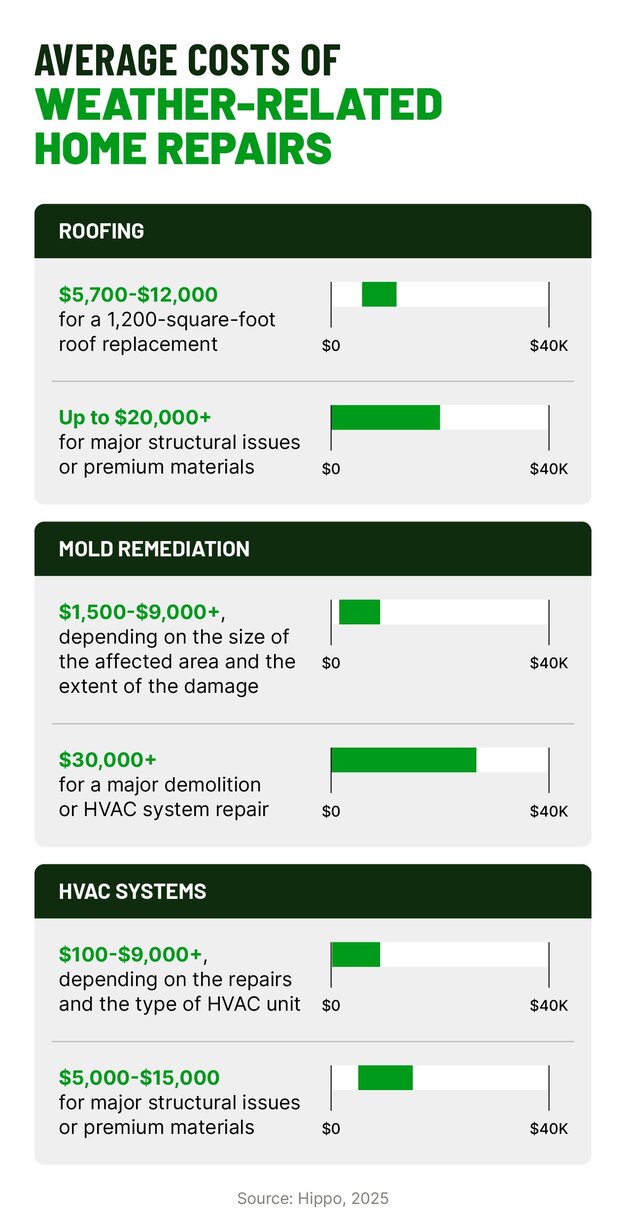
Preventive maintenance is typically more affordable than major repairs. While home repairs can cost $5,000 or more, per our Housepower Report, most homeowners spent less than $1,000 on all seasonal maintenance tasks. Still, 21% of homeowners say budget constraints keep them from making proactive updates that would better protect their homes from extreme weather. 

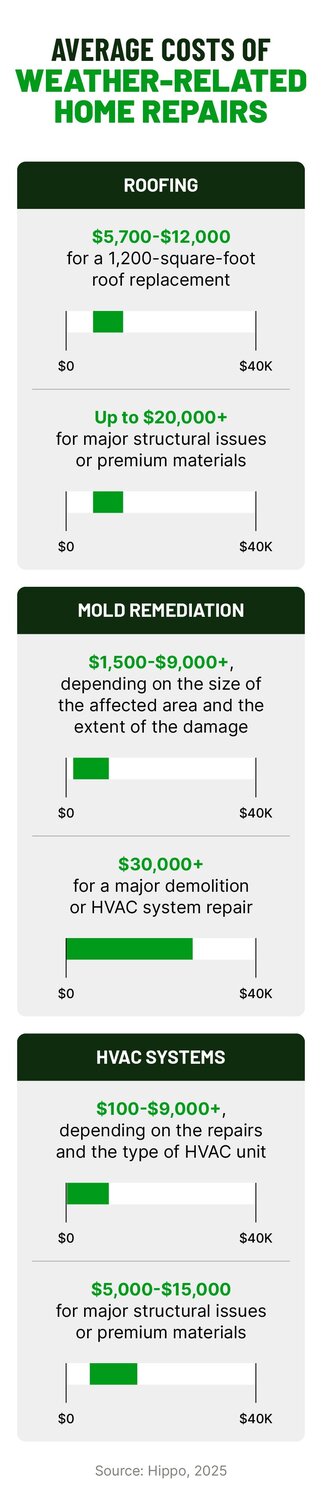
The typical costs of common weather-related home repairs. Roofing repairs might cost up to $12,000 on average, and mold remediation or HVAC repairs might cost up to $9,000 on average.

While you can’t prepare your house for every possible storm, taking small steps today could prevent costly repairs later down the road.


Help prepare your home for extreme weather by: 

  • Checking and cleaning gutters and downspouts to ensure proper drainage.       
  • Inspecting your roof, chimney, and attic for damage. Look for visible damage like missing or cracked shingles, or for signs of moisture, leaks, or mold. 
  • Keeping insurance and records up-to-date. Confirm coverage limits and check for specific add-ons, such as flood or earthquake insurance.
  • Creating an up-to-date home inventory with photos and receipts. Store copies digitally as well as off-site.

Preparing your home for an upcoming storm

Different storms require different preparation, and advance warning can give you the chance to get ahead of potential damage. Keep a close eye on forecasts for severe weather events and prepare your home before a storm hits.

Hurricanes

Hurricanes and flood events are often forecast weeks ahead of time. Monitor forecasts and act early: 

  • Board up your windows or close your storm shutters, if you have them.
  • Use sandbags to prevent flooding around the foundation of your home.
  • Tie down or tie together large outdoor furniture and move small outdoor items indoors. 
  • Stock up on non-perishable food, drinking water, and pet food. Fill your car with gas and stock up on gas for your generator, if you have one. Move your car to higher ground if you’re concerned about flooding.
  • Charge your devices and make sure flashlights and other small electronics have new batteries. 
  • If you live in an area that might be evacuated during a storm, make an emergency preparedness plan. Pack a go bag with your vital documents, medications, clothing, cash, and other essentials, and decide where you will go in case of an evacuation. 

Winter storms

Winter storms can catch you by surprise if you live in an area that doesn’t experience them often. To prepare, you can:

  • Stock up on emergency supplies, such as non-perishable food, prescription medicine, pet food, and first aid supplies. 
  • Check if you have a properly vented heat source, like a fireplace, wood stove, or space heater. 
  • Make sure your carbon monoxide detector is working properly.
  • Gather extra blankets and clothes to keep at your home and in your car, including mittens, hats, boots, and coats.

Heat waves

Unlike other severe weather, heat waves can last for weeks or even months. To prepare:  

  • Weather-proof your home affordably by weather-stripping doors and windows, using window reflectors, or covering windows with shades. 
  • Spend time in cooler public spaces, like libraries or shopping malls, if you don’t have AC.
  • Watch for signs of heat-related illnesses.11 

Steps to take after extreme weather hits

Once it’s safe, assess your home for damage and gather documentation to file a claim with your insurance provider, if necessary. 

  1. Carefully examine your home and property for hazards such as downed power lines or structural damage, like cracks or leaning walls. Don’t enter a building if you’re not sure it’s safe. 
  2. Take note of any damage to your property, buildings, and belongings. Write down a detailed description and take photos and videos of the items and damages. Note the date and time, too.
  3. Contact a professional to conduct a more thorough investigation for structural damage, water damage, or other problems, if necessary.
  4. If any utilities aren’t visibly damaged or aren’t working properly, contact your provider and report it. 
  5. Contact your insurance company and begin the claim process, if necessary. Keep thorough records and receipts when you get quotes from contractors. 
Only 30% of surveyed homeowners have reviewed their policy to understand what is and isn't covered for severe weather or storm damage. Don’t wait until after a storm to learn what your policy includes. 

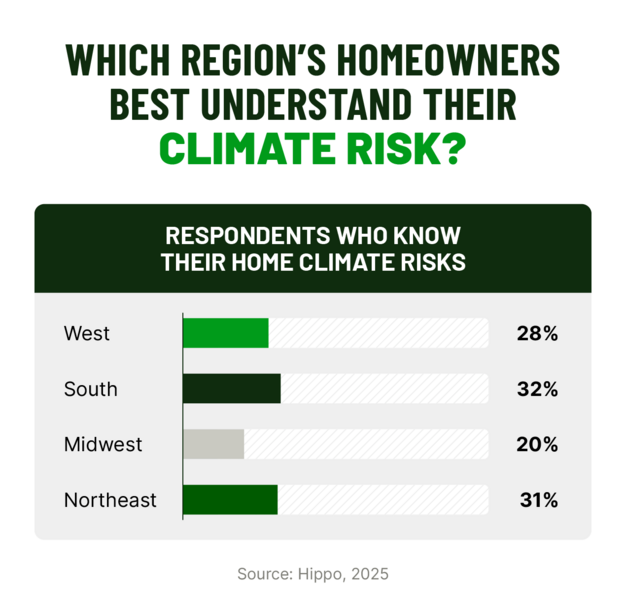
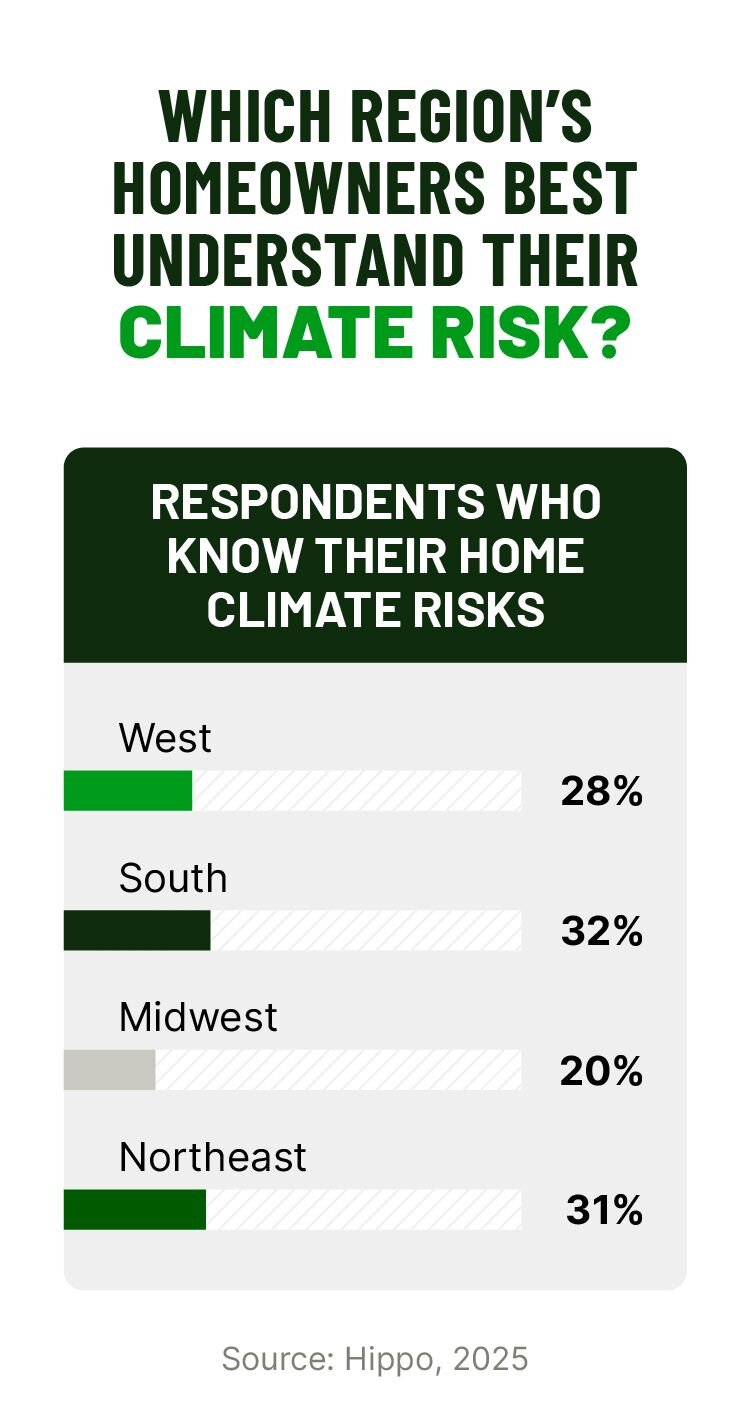
Map showing the percentage of people who have researched their home’s climate risks and made decisions based on them, by region: 31% in the Northeast, 20% in the Midwest, 32% in the South, 28% in the West.

Prepare for the unexpected with Hippo

Severe weather preparation doesn’t have to be overwhelming. Spread tasks throughout the year and stay on top of seasonal home maintenance, and you’ll be better protected for what nature throws your way. 

Want extra peace of mind? Learn more about your home insurance options with a quick, personalized quote

External sources: 

  1. NOAA. (2025) Billion-Dollar Weather and Climate Disasters
  2. Gallup. (2025, April) Extreme Weather Affects Sharply More in Western U.S.
  3. National Weather Service. (2024) Hurricane Milton Impacts to East Central Florida
  4. Houston Public Media. (2024, September) Coastal flooding is getting more common, even on sunny days
  5. NOAA. (2024, November) Hurricane Helen’s extreme rainfall and catastrophic inland flooding
  6. EPA. (n.d.) Climate Impacts in the Midwest
  7. U.S. Environmental Protection Agency (EPA). (2025, October) 2025 Southern California Wildfires
  8. NOAA. (2025, October) El Niño/Southern Oscillation (ENSO) Diagnostic Discussion
  9. NOAA. (2025) Three Month-Outlooks Official Forecasts Jul-Aug-Sep 2026
  10. NOAA. (2025) Three-Month Outlooks Official Forecasts Aug-Sep-Oct 2026
  11. U.S. Department of Homeland Security. (2025, July) Extreme Heat
This article is for informational purposes only. The content reflects general homeowner considerations and is not professional advice. It also includes observed trends within the surveyed population and certain additional information compiled from sources not affiliated with Hippo. While we believe this information to be reliable, we do not guarantee its accuracy or completeness. For any insurance-related decision, please consult your licensed insurance producer.

Sources cited are publicly available and referenced in November 2025.

Map showing the percentage of people who have researched their home’s climate risks and made decisions based on them, by region: 31% in the Northeast, 20% in the Midwest, 32% in the South, 28% in the West.
The typical costs of common weather-related home repairs. Roofing repairs might cost up to $12,000 on average, and mold remediation or HVAC repairs might cost up to $9,000 on average.
Graphic showing how homeowners feel about whether their home could withstand natural disaster: 34% feel very confident, 48% feel somewhat confident, 14% feel somewhat unconfident, and 4% feel not confident at all.

Share

Any Questions?
Ask away - we're here to help
Email us

Hippo

Social Media

Get the App

app QR codeScan me

© 2025 Hippo Holdings Inc.

References to “Hippo” mean Hippo Analytics Inc. d/b/a “Hippo Insurance Services” which is an insurance agency licensed in 50 states (California Lic. No. 0K96532, Texas Lic. No.2213178) that is domiciled in Delaware and has a principal place of business in California. Hippo sells property and casualty lines of insurance for affiliated and non-affiliated insurance carriers and other underwriting entities (“insurers”). Hippo receives compensation from insurers in the form of a base commission that is normally based on a predetermined percentage of the premium. You may contact Hippo for more information about compensation expected to be received by Hippo. Nothing on this site alters the terms or conditions of any insurance policy. Coverage and coverage amounts selected are the decision of the buyer. Availability and qualification for coverage, terms, rates, and discounts are subject to the insurer’s underwriting criteria, and may not be available in all states. Please read your policy for a complete description of coverage.