Condo Insurance in Key Largo, Florida
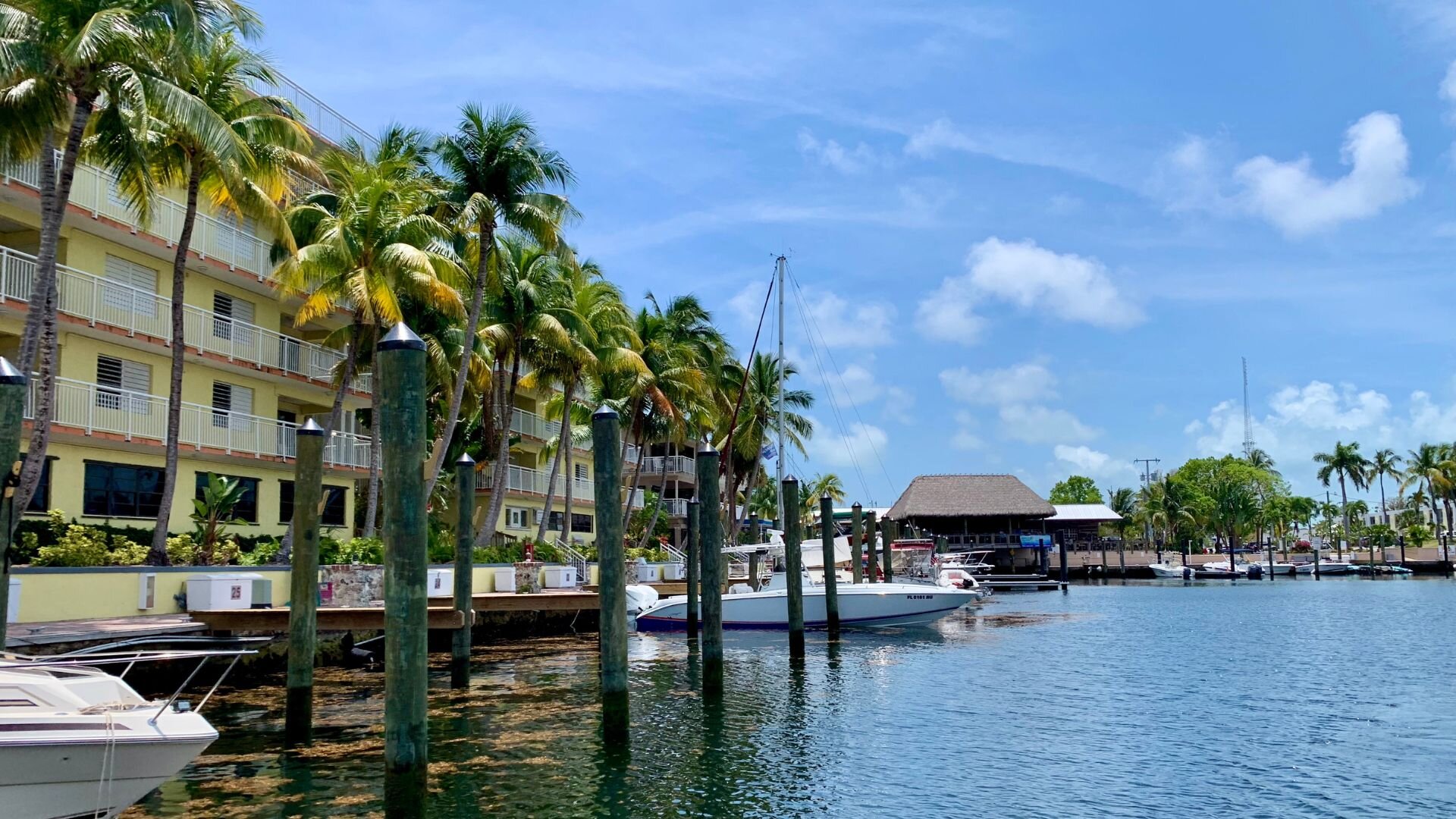
Owning a condo in Key Largo, Florida, is a dream come true for many. The turquoise waters, warm breezes, and laid-back island lifestyle make it one of the most desirable places to live.
However, as beautiful as life in the Florida Keys could be, it also comes with certain risks — particularly from hurricanes, tropical storms, flooding, and salt air corrosion, all of which could threaten property and belongings.
That’s where condo insurance (also known as HO-6 insurance) in Key Largo, Florida comes in. Whether you’re a year-round resident or use your condo as a vacation home, condo insurance may help protect your unit and belongings from costly damage and unexpected loss.
Key takeaways
- Condo insurance can help protect your personal property, interior structures, and liability in case of damage or accidents.
- It’s not legally required in Florida, but it may be required by condo associations or mortgage lenders.
- Flood damage is often excluded from standard condo policies and may require separate flood coverage. Wind or hurricane coverage, deductibles, and exclusions can vary by insurer, policy form, and location—review your policy documents and consider speaking with a licensed insurance producer to understand your options.
- You may be able to reduce premiums if you bundle policies, increase deductibles, and install safety features (depending on the insurer).
Is condo insurance mandatory in Key Largo?
Florida law doesn’t make condo insurance mandatory for individual unit owners. However, there are two important situations where you may be required to carry it:
- Condo association requirements: Many condo associations in Key Largo, FL, may require unit owners to carry individual condo insurance. The association’s master policy often covers some portions of the building and common areas, but what it covers (and what it doesn’t) varies by association and policy form. Coverage for your unit’s interior (for example, fixtures or finishes) and your personal belongings may be your responsibility—review your association’s governing documents and the master policy to understand what’s required and what coverage gaps may exist.
- Mortgage lender requirements: If you have a mortgage on your condo, your lender may require you to maintain active condo insurance. This can help protect both you and the lender from financial loss in the event of a covered claim.
So, while you could technically go without the insurance policy if you own your condo and your HOA doesn’t require coverage, doing so could increase your out-of-pocket costs after storms, fires, or accidents.
How doescondo insurance generally differ from home insurance?
Condo insurance and home insurance both help protect your property; however, they cover very different things. The main difference often comes down to ownership.
When you own a house, you’re typically responsible for the full structure (such as the roof, walls, and foundation) as well as what’s inside. A homeowners insurance policy (often an HO-3) can include dwelling coverage, personal property coverage, and personal liability—subject to the policy’s terms, exclusions, and limits.
With a condo, responsibilities are often shared between the unit owner and the condo association. The association’s master policy may insure certain parts of the building and common areas, but what’s covered can vary by association and by policy form. A condo policy (often an HO-6 form) may help cover portions of the unit’s interior and improvements (for example, fixtures or finishes), along with personal property and personal liability—depending on the master policy, your governing documents, and your HO-6 terms.
For instance, if a hurricane damages the condo roof, the association’s master policy may cover the repairs. But if the storm breaks your windows or ruins your furniture, your HO-6 policy may help pay for those losses, depending on your policy terms, exclusions, and deductibles.
How much is condo insurance in Key Largo, Florida?
The cost of condo insurance in Key Largo depends on several factors — including the location, building age, coverage limits, and hurricane risk.
The average cost of condo insurance in Florida is $995 [1] per year. Since Key Largo is an island in the upper Florida Keys, insurance in that area may be higher. Here’s a breakdown of what influences the price:
- Location risk: Key Largo is part of Monroe County, one of the most hurricane-prone areas in Florida. Condos closer to the coast or on lower ground tend to have higher premiums.
- Building construction: Concrete and storm-resistant structures often qualify for lower rates than older wood-frame condos.
- Coverage limits: The more protection you buy for personal property or improvements, the higher your premium.
- Deductibles: Choosing a higher deductible lowers your premium but increases your out-of-pocket costs after a claim.
- Claims history: A history of previous insurance claims could raise your rates.
- Credit score: Insurers in Florida often consider your credit history when setting rates.
With that said, here’s how average costs differ across Key Largo neighborhoods:
- Waterfront condos (near MM 100–103): Premiums may be higher due to wind exposure and storm-surge risk. Flood coverage may be worth considering, depending on the property’s flood zone and your risk tolerance.
- Mid-island condos (MM 95–99): Rates may be lower than some waterfront units, though the hurricane exposure can still influence pricing.
- Older inland communities: Buildings with aging plumbing, electrical systems, or roofs may face higher premiums due to maintenance and loss-risk considerations, even if they’re farther from the coast.
- Newer inland developments: Premiums may be lower in some cases due to updated construction standards and wind-mitigation features, depending on the insurer and policy terms..
What does condo insurance typically cover in Key Largo?
A standard condo insurance policy may help provide coverage for your personal property, certain parts of the interior of your unit, and your personal liability - subject to policy terms, limits, and exclusions. In Key Largo, where tropical storms, humidity, and hurricane season can create additional risks, understanding your coverage options is important the details of each coverage area is important.
Here are examples of what an HO-6 policy may cover (depending on your association’s master policy and your HO-6 terms)::
- Interior structure (dwelling coverage): This coverage may apply to portions of your unit’s interior and improvements that aren’t covered by the association’s master policy. What’s included can vary (for example, fixtures or finishes, and certain upgrades). If a covered event damages part of your unit—such as a sliding glass door or interior finishes—your policy may help pay for repairs or replacement, depending on the cause of loss and your deductible.
- Personal property: Personal belongings like furniture, clothing, and electronics may be covered for certain covered perils (for example, fire or theft). Wind- or water-related losses may be covered in some situations but excluded in others, so it’s important to review the policy language and endorsements. Many HO-6 policies also include some off-premises coverage, but limits and exclusions vary—review your policy details.
- Loss of use (additional living expenses): If a covered loss makes your condo uninhabitable, your policy may help pay for certain additional living expenses (such as temporary housing and meals) while repairs are completed, up to your limits and subject to conditions.
- Personal liability: If someone is injured and you’re found legally responsible, liability coverage may help with covered medical costs, legal defense, or settlements, subject to policy terms and limits.
Key Largo condo insurance coverage exclusions (and common limitations)
Knowing what your policy may not cover (or may cover only in limited situations) can help you avoid surprises and decide whether you need additional coverage.
- Flood damage: Flood damage is often excluded from HO-6 policies and may require a separate flood policy, depending on your risk and insurance needs. In Key Largo, flood risk can be a consideration due to weather and coastal conditions. According to one report, 98.8% of properties in Key Largo are at risk of flooding over the next 30 years. Water that meets a policy’s definition of “flood” (for example, storm surge or overflow from a body of water) is typically handled under a flood insurance policy rather than an HO-6, but definitions and exclusions vary—review your policy language.
- Hurricane/windstorm insurance coverage: Wind-related losses may be covered under some HO-6 policies, but coverage, exclusions, and deductibles can vary significantly by insurer, building, and location. In some cases, wind coverage may be limited or require an endorsement, and hurricane deductibles may apply. Your HO-6 generally won’t cover damage to parts of the building insured under the association’s master policy, so it’s important to review the master policy and your governing documents to understand how responsibilities are split.
- Wear and tear/maintenance issues: Many policies exclude damage caused by neglect, normal wear and tear, or ongoing maintenance issues. For example, damage from a slow leak or long-term moisture may not be covered, especially if it’s considered gradual damage or related to lack of upkeep.
- Pest infestations and mold: Damage caused by pests (such as termites or rodents) is often excluded. Mold coverage varies widely—some policies exclude it entirely, while others provide limited coverage under certain conditions. In humid climates, preventing moisture intrusion and addressing leaks promptly can help reduce risk.
- Earthquakes and sinkholes:Earthquake coverage is often excluded and may require a separate endorsement or policy. Sinkhole/ground collapse coverage varies in Florida and may be excluded or limited depending on the insurer and policy—if this risk is a concern, ask your licensed insurance producer what options are available.
Add-on coverage options
If you want additional protection, you can ask your licensed insurance professional about optional add-ons (endorsements) that may be available for condo policies in Key Largo, FL. Availability, eligibility, and cost vary by insurer and policy form.
- Flood insurance: Flood damage is often excluded from HO-6 policies and may require separate flood coverage. Depending on your property’s flood zone and your risk, you may want to explore a flood policy through the National Flood Insurance Program (NFIP) or a private insurerl.
- Water backup and sump pump coverage: Key Largo’s low-lying terrain may increase the risk of water backing up through drains or sewage lines during heavy rainfall. Some policies exclude water that backs up through sewers or drains. A water-backup endorsement may help cover certain types of damage from these events, subject to the endorsement terms, limits, and deductible.
- Replacement cost coverage for personal property: Some condo policies pay the actual cash value (depreciated value) of damaged items unless replacement cost coverage is included. A replacement cost option may increase what you can recover for covered losses, subject to policy terms and limits.
- High-value item coverage: Coverage for items like jewelry, art, or collectibles may be limited under a standard policy. Scheduling specific items may provide broader coverage and higher limits for those listed items, depending on the endorsement.
- Equipment breakdown coverage: An equipment breakdown endorsement may help with certain sudden mechanical or electrical failures of covered appliances and systems, subject to exclusions and limits. If you’re concerned about wear-related issues specific to Key Largo’s humid, salty environment (like corrosion), ask how the endorsement defines covered breakdown versus maintenance-related damage.
- Identity theft and liability enhancements: Some insurers offer add-ons such as identity theft expense coverage and higher personal liability limits, which may provide additional financial protection for covered events.
Tips on how to reduce the costs of condo insurance in Key Largo, Florida
Condo insurance in coastal Florida can be more expensive than in other areas, but there may be ways to manage costs while still meeting your coverage needs.
Here are some practical steps that may help
the cost of condo insurance in Key Largo, Florida:
- Shop around and compare quotes: Rates can vary by insurer, building, and location (including within Monroe County).. Comparing quotes from multiple local and national insurers that specialize in Florida coastal homes may help you find coverage options and pricing that fit your situation.
- Consider a higher deductible: Selecting a higher deductible can lower your premium in some cases. Make sure the deductible is an amount you could comfortably pay out of pocket if you have a covered claim.
- Ask about bundling: Some insurers offer discounts when you bundle condo insurance with auto or other policies (such as an umbrella policy). Discounts and eligibility vary, so confirm what applies to you.
- Install safety features: Certain protective features (for example, smoke alarms, water leak detection devices, deadbolts, or wind-mitigation features) may qualify for discounts with some insurers. Availability and impact on premium vary by company and may require documentation.
- Maintain a good credit score: Insurers may use different underwriting and rating factors in Florida. If an insurer uses a credit-based insurance score (where permitted), maintaining timely payments and managing debt may help over time—but practices vary by insurer and by state rules.
- Ask about discounts: Some insurers offer discounts for claim-free history, loyalty/tenure, or other criteria. Ask for a full list of potential discounts and what documentation is needed.
- Review coverage annually: As property values and risks in Key Largo change, reviewing your policy periodically (for example, at renewal) can help ensure your limits, deductibles, and endorsements still match your needs and budget—especially if your building coverage, personal property, or risk factors have changed.
FAQs
Is it better to own a condo or a house in Key Largo, Florida?
It depends on your budget, lifestyle, and risk tolerance. Condos can offer shared maintenance and amenities, while single-family homes may offer more privacy and land. Insurance costs and responsibilities vary for both and depend on factors like location, construction type, and coverage choices.
How much should you save before buying a condo in Key Largo, Florida?
Many buyers plan for a down payment, closing costs, and a reserve fund for ongoing expenses (like HOA dues) and potential out-of-pocket costs (like deductibles or uncovered repairs). The right amount depends on your finances, the building, and your lending and insurance requirements.
Does condo insurance cover water damage?
It may, depending on the cause and your policy terms. Some HO-6 policies can cover sudden and accidental water-related damage (like a burst pipe or an appliance leak), but coverage varies and exclusions may apply. Flood-related water (as defined by the policy, such as storm surge or overflow) is often excluded and may require separate flood coverage—review your policy documents and consider speaking with a licensed insurance producer about your options
Are condos in Key Largo, FL, more expensive to insure?
They can be. Pricing depends on many factors, including hurricane/wind exposure, building construction and age, elevation, claims history, the association’s master policy, and the coverage and deductibles you choose.
Do condominiums in Key Largo, FL, hold their value?
Values can fluctuate. Features like location, views, and amenities may influence resale value, but market conditions, HOA finances, and building condition can also play a significant role.
Sources
- Data gathered from NerdWallet.
Figures reflect averages from publicly available sources as of February 2026.
This article is for informational purposes only and was compiled from sources not affiliated with Hippo. While we believe this information to be reliable, we do not guarantee its accuracy or completeness. For any insurance-related decision, please consult your licensed insurance producer.