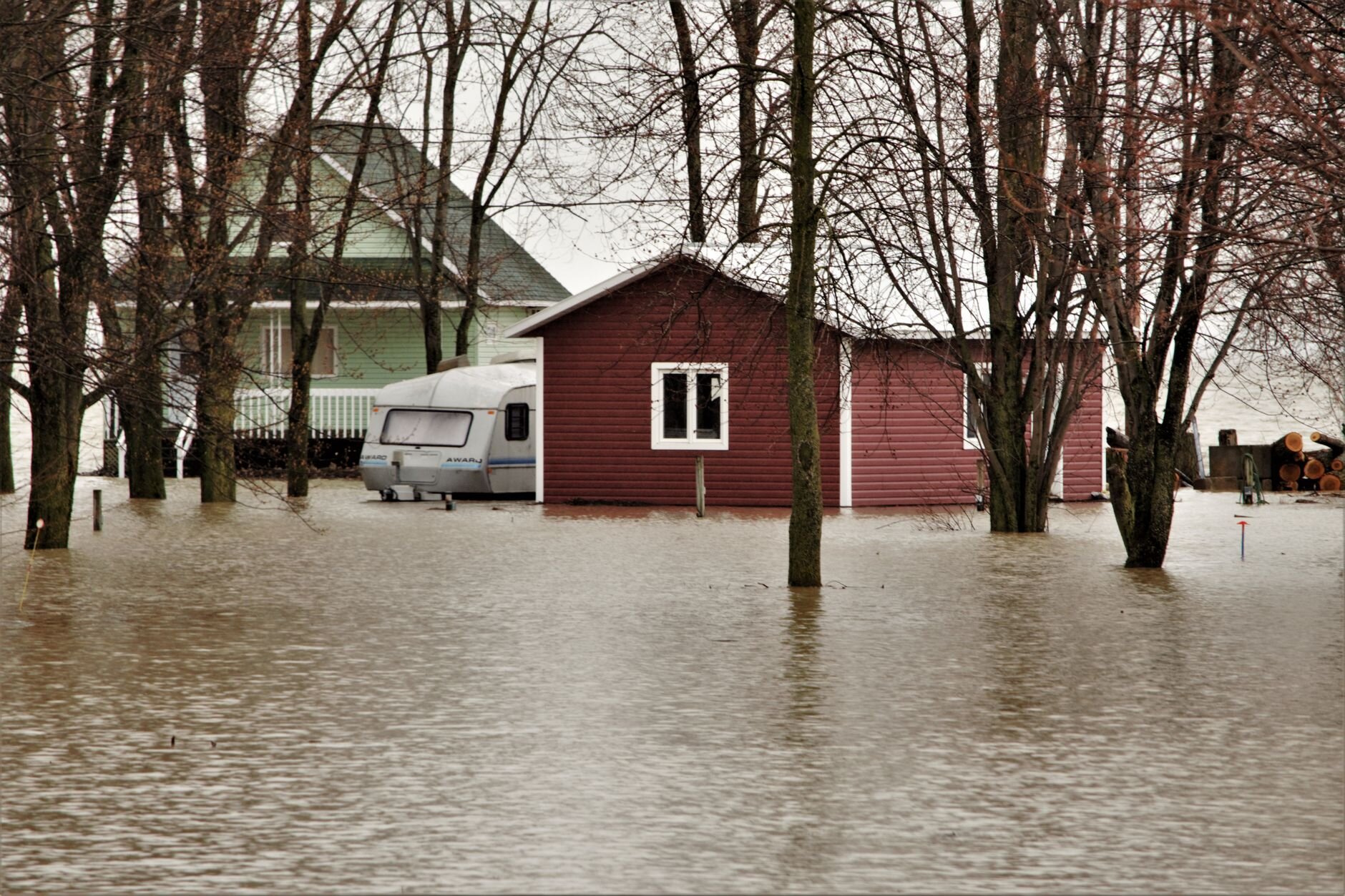
Landlord insurance in Fort Collins: Proactive protection for your rental

Owning a rental property in Fort Collins comes with distinct challenges. Northern Colorado’s climate brings hailstorms, freezing winters, and sudden weather shifts. Together, these factors could increase the risk of property damage, potential liability claims, and lost rental income.
That’s why having landlord insurance in Fort Collins can play an important role in protecting a rental property. A landlord policy can help pay for repairs after covered losses, provide liability protection if someone is injured on the premises, and replace lost rent if a rental property becomes temporarily uninhabitable. In Larimer County, insurance requirements and considerations for rental properties may differ based on property use and insurer guidelines.
Key takeaways
- Landlord insurance typically costs more than homeowners insurance due to tenant-related risks and weather exposure.
- There is no legal requirement for landlord insurance in Fort Collins, but mortgage lenders commonly require it for rental properties.
- DP-1, DP-2, and DP-3 policies offer different levels of protection.
- Fort Collins rental properties face elevated risk from hail damage and frozen pipes.
- Preventive measures, such as leak detection and winterization, may help reduce losses and insurance costs.
How much is landlord insurance in Fort Collins?
Landlord insurance in Fort Collins generally costs more than standard homeowners insurance, reflecting the additional risks associated with tenant occupancy. Across Colorado, premiums for rental property insurance often fall within a broad range, depending on property type, condition, and coverage choices.
Typical pricing is influenced by:
- Property type: Single-family homes, multi-family buildings, and condo rentals carry different risk profiles.
- Age and condition: Older systems and roofs may increase premiums.
- Roof materials: Impact-resistant roofing can help reduce hail-related costs.
- Location: Properties near Old Town may face higher liability exposure.
- Coverage structure: Replacement cost coverage generally costs more than actual cash value but provides stronger protection.
Fort Collins sits within “Hail Alley,” which contributes to higher wind and hail deductibles. Rental properties near the university may present underwriting considerations depending on occupancy and use. Comparing quotes and adjusting deductibles are options that may affect premium amounts, depending on insurer offerings.
Is landlord insurance required in Fort Collins?
Landlord insurance is not required by law in Fort Collins or the state of Colorado. However, most mortgage lenders require insurance on rental properties to protect their financial interest in the structure. A fire, hailstorm, or tenant injury claim could result in substantial out-of-pocket costs. While not legally mandated, landlord insurance can help protect an investment property.
Essential coverages for Fort Collins landlords
Landlord insurance policies are typically written as Dwelling Fire (DP) policies designed specifically for non-owner-occupied rental properties.
Policy types explained
- DP-1: Basic named-peril coverage, typically written on an actual cash value basis.
- DP-2: Expanded named-peril coverage, often written with replacement cost for the dwelling.
- DP-3: “Open peril” coverage for the structure, plus liability protection and loss of rental income.
Homeowners insurance does not cover rental properties, and renters insurance only protects tenant belongings—not the building or landlord liability.
Core coverage types
Protects the structure of the rental property, including the roof, walls, plumbing, and electrical systems, subject to policy limits and exclusions.
May cover legal expenses and damages if a tenant or visitor is injured on the property. Winter ice could increase liability exposure.
May replace lost rent if the property becomes unlivable due to a covered loss, helping landlords maintain cash flow while repairs are completed.
Landlord personal property
Covers landlord-owned items such as appliances, tools, or furnishings, which is especially important for furnished rentals.
How to find the right landlord insurance provider in Fort Collins
Licensed insurance agencies may help property owners review coverage options from multiple carriers. Partnering with an insurer that focuses on proactive protection could be something worth exploring.
Specific risks for Fort Collins rental properties
Rental properties in Fort Collins face several localized considerations:
Hail and severe weather
Fort Collins lies in a region known for frequent hailstorms. Roofs, siding, windows, and HVAC systems are commonly affected, and many policies apply separate wind or hail deductibles.
Freezing winters and water damage
Winter temperatures often drop below freezing, increasing the risk of frozen or burst pipes—particularly in vacant or student-occupied rentals.
Student housing and tenant turnover
Rental properties with higher occupancy turnover or shared living arrangements may present different maintenance and underwriting considerations.
Understanding these exposures helps landlords choose appropriate rental property insurance limits and endorsements.
Frequently Asked Questions
Read through some of the most commonly asked questions to clear some queries you might have:
Is landlord insurance tax-deductible in Colorado?
Landlord insurance premiums are generally considered a deductible business expense for rental properties under federal tax rules. Individual circumstances vary, so consult a tax professional.
What is the difference between rental insurance and landlord insurance?
Underinsuring the dwelling, choosing homeowners insurance instead of a landlord policy, and carrying insufficient liability limits are common issues.
What are common landlord insurance mistakes?
Common mistakes include being underinsured, choosing the wrong policy type (e.g., homeowners instead of landlord insurance), and overlooking coverage gaps and policy limits, such as insufficient liability limits.
What exclusions are common in landlord insurance?
Typical exclusions include wear and tear, routine maintenance, mold, and flood damage, which usually requires a separate policy.
This article is for informational purposes only and was compiled from sources not affiliated with Hippo. While we believe this information to be reliable, we do not guarantee its accuracy or completeness. For any insurance-related decision, please consult your licensed insurance producer.