Do you need landlord insurance for one rental?

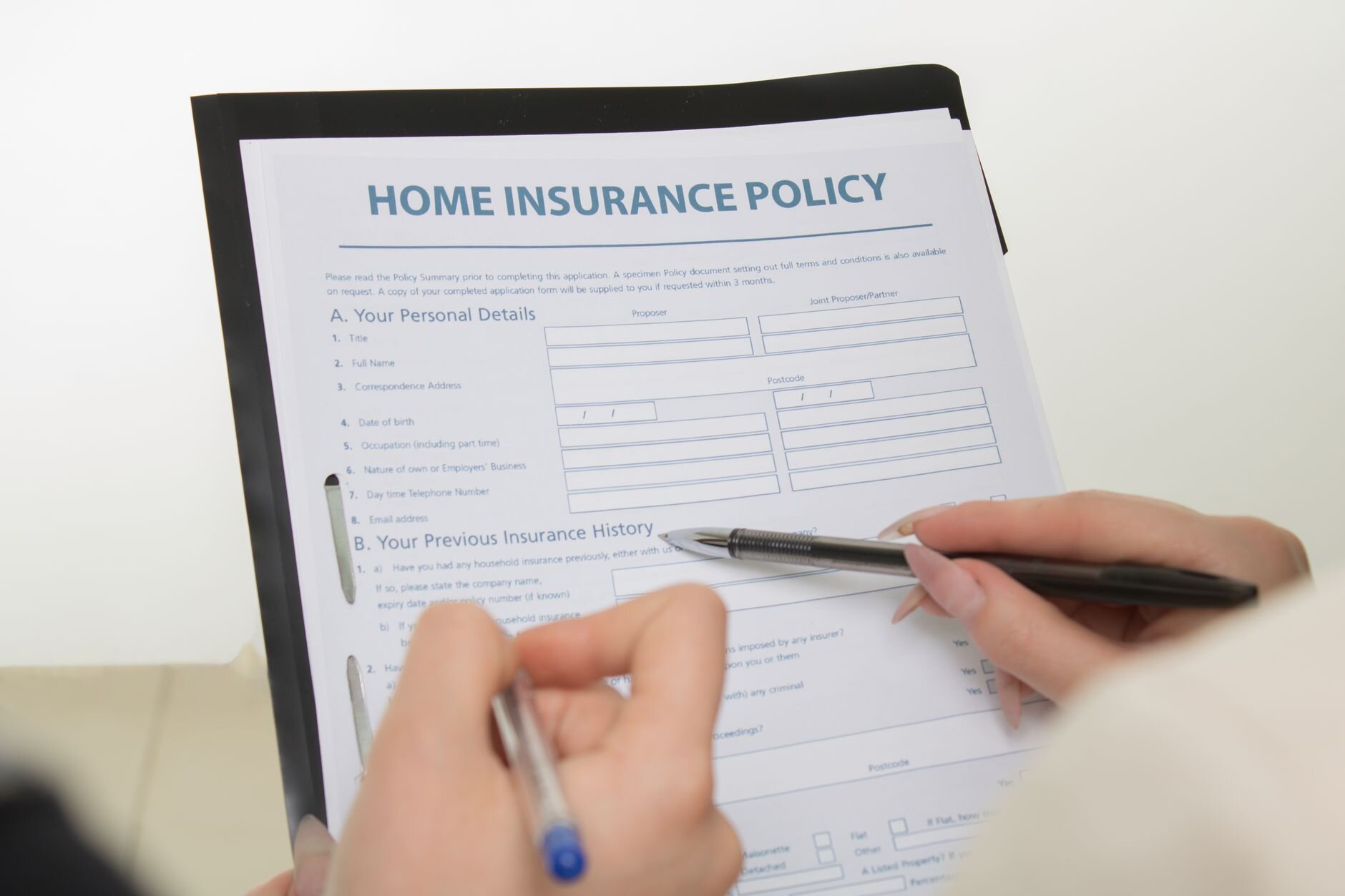
The short answer is “it depends.” You’re not required by law to carry landlord insurance on a single property—but your mortgage lender probably requires it. And the policy you already carry on your house won’t fit if you’re turning it into a rental.
This raises some important questions related to landlord insurance: What’s actually required? Why doesn’t a homeowners policy work on a rental? What’s the difference in costs? And what does a landlord policy typically include?
Key takeaways
- Not required by law, in most cases—landlord insurance is generally a financial decision rather than a legal obligation, unlike auto insurance; local rental licensing rules can differ, so check yours
- Your lender is the real requirement—most loan agreements on a rental property require a policy that reflects the rental use
- Your homeowners policy likely excludes it—personal policies typically exclude business activity, and collecting rent is business activity
- Expect to pay about 25% more—the Insurance Information Institute puts landlord policies at roughly 25% above a standard homeowners policy
Is landlord insurance required by law?
What the law requires
Generally, nothing. There’s no broad federal or state mandate to carry landlord insurance the way most states mandate auto insurance for drivers. Renting out a property without a landlord-specific policy is usually legal.
The caveat is local. Some cities and counties run rental licensing or registration programs with their own conditions, and requirements vary considerably. Check your municipality rather than assuming the state answer settles it.
Legal and financially sensible are different questions, though. Going without insurance leaves the structure, your liability, and your rental income exposed all at once.
What your lender requires
This is where your insurance obligation usually originates. Most loan agreements on non-owner-occupied property require insurance that reflects the rental use as a condition of financing.
Lenders treat rental activity as a different risk than a home you live in yourself, and the policy protects their collateral as much as your investment. If you converted a home you already had a mortgage on, this is worth checking specifically, since the loan terms may have assumed you would live there.
Why your homeowners policy stops fitting
A homeowners policy is written for personal use. Once you charge rent, the carrier sees a property being used for business, and several exclusions kick in.
Most personal policies exclude claims arising from business activity on the property—what your policy may call a “business pursuits” exclusion. Many also carry an owner-occupancy condition, requiring you to live in the home for some portion of the year in order for the policy to respond as written.
Liability is the other gap. Standard personal liability limits are not built around tenant disputes or injuries in a space you own but do not occupy. Our DP-3 explainer covers the policy form most single-property landlords end up using.
It’s worth reading exclusions on the landlord side too. Tenant-caused damage is a common one, and it may need a rider rather than being assumed.
The difference in costs
The Insurance Information Institute puts landlord policies at about 25% more than a standard homeowners policy, reflecting the added protections and the different occupancy risk.
Applying that to your own number is more useful than a national average, since the starting point varies enormously by state. Take what you pay now and work from there. For context on baseline costs and why they differ so much by location, see our guide to home insurance costs.
Four things move the figure most:
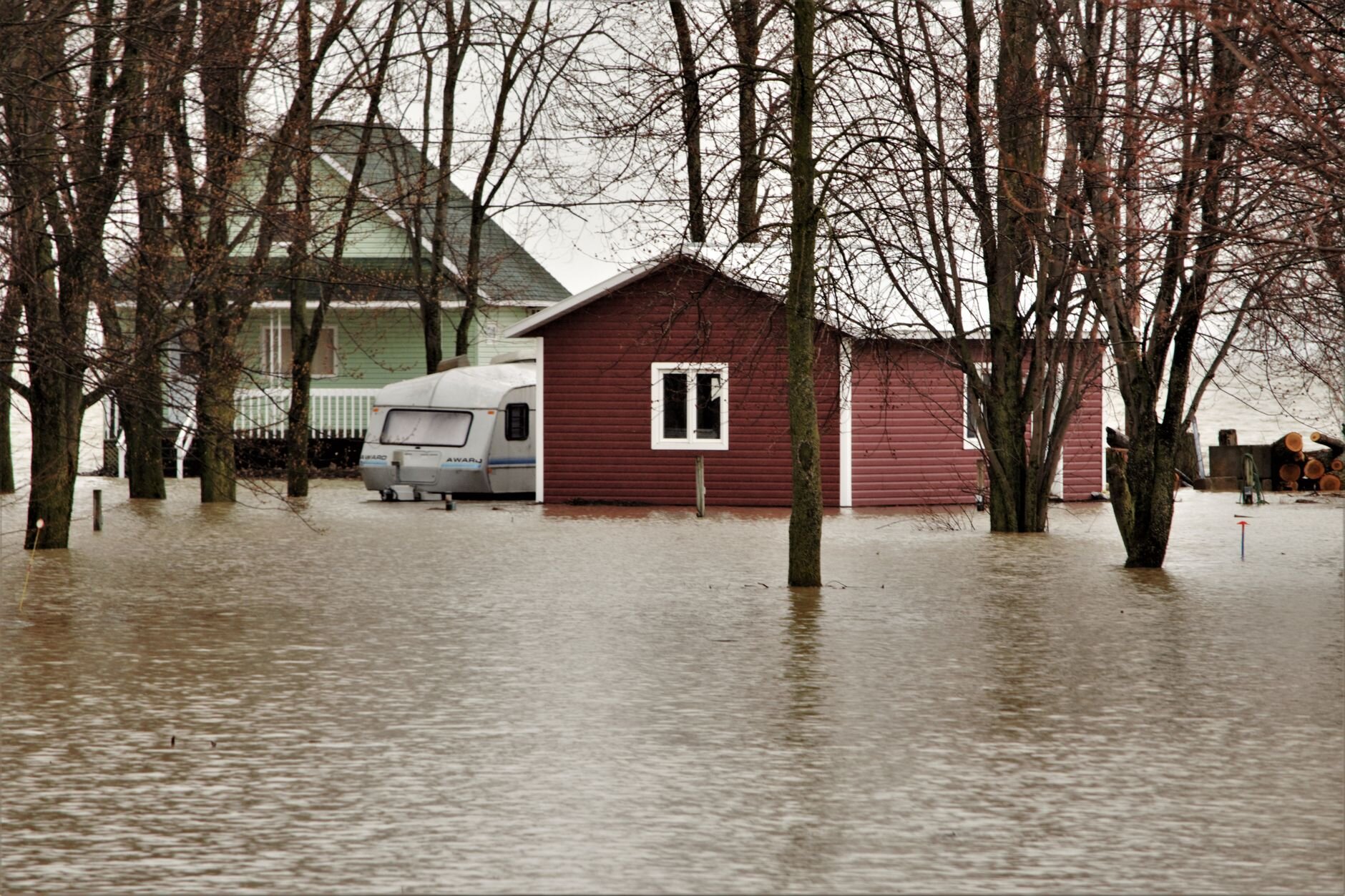
- Location—flood zones, wildfire exposure, and storm risks all push rates up
- Replacement cost—what it would take to rebuild the structure from the ground up; this is the largest single factor, and it’s not your market value or purchase price
- Deductible—a higher deductible lowers the premium and raises what you pay at claim time
- Property age—older electrical, plumbing, and roofing generally cost more to insure
What a landlord policy includes
Three components do the work, and all three matter on a single property as much as on 20.
The structure
Covers the physical building, including walls, roof, and equipment you keep on site to maintain the property. If fire or wind damages the unit, this is what pays toward repairs.
Liability
Responds to legal fees and settlements if a tenant or guest is injured and sues over negligence. This is the one single-property owners most often set too low, because personal assets sit behind it.
Fair rental value
If a covered loss makes the home unrentable, you lose the income as well as the use of the building. This component replaces that rent while repairs happen, which is often what keeps the mortgage paid in the meantime.
What to do next
Start with your loan agreement and check whether a rental-appropriate policy is a contractual condition. Then look at your liability limits against your actual assets, since defaults set for a personal residence are frequently low for a rental.
From there, compare your policy to what’s available on the market—rather than simply renewing the policy you have. Our guide to buying home insurance covers what to have ready.
Hippo compares quotes from 70+ carriers in about 60 seconds so you see more than one carrier’s view of your rental property. Get a free quote today hippo.com.
Frequently asked questions
How much more does landlord insurance cost than homeowners insurance?
The Insurance Information Institute puts it at about 25% more. Your actual difference depends on location, property age and condition, and the limits you choose.
Do I need landlord insurance for a house I rent to family?
Usually yes, if you are charging rent. What matters to a carrier is the change in occupancy and whether the property generates income, not your relationship to the tenant. Arrangements with no rent are treated differently by different carriers, so ask rather than assume.
Is one rental property really worth a separate policy?
The risk doesn’t decrease with the number of properties. A single liability claim or a fire that empties the unit for months affects a one-property owner the same way it affects someone who owns multiple properties—except a one-property owner usually has less cushion to absorb it.
This article is for informational purposes only and was compiled from sources not affiliated with Hippo. While we believe this information to be reliable, we do not guarantee its accuracy or completeness. For any insurance-related decision, please consult your licensed insurance producer.
Sources cited are publicly available and referenced in August, 2026.