Condo master policy vs HO-6: What your HOA covers (and what it doesn’t)

If you own a condo, you share insurance responsibility with your homeowners association. Your HOA carries a master policy that covers the building and shared areas. Your HO-6 policy (the condo policy you buy for your own unit) covers the rest: your belongings, personal liability, and the interior finishes the master policy leaves out.
Most condo owners aren't sure where one policy ends and the other begins. Here's what each one covers, where the gaps usually lie, and how to close them.
Key takeaways
- Your HOA's master policy insures the building—not what's inside your unit, and every owner pays for it through dues
- Your HO-6 insures your belongings, liability, and interior—how much of that interior falls to you depends on your HOA's master policy type
- There are three master policy types: bare walls, single entity, and all-in, and bare walls leaves you the most to insure
- Loss assessment is the gap most owners miss—without it, you pay your share of a large master policy deductible out of pocket
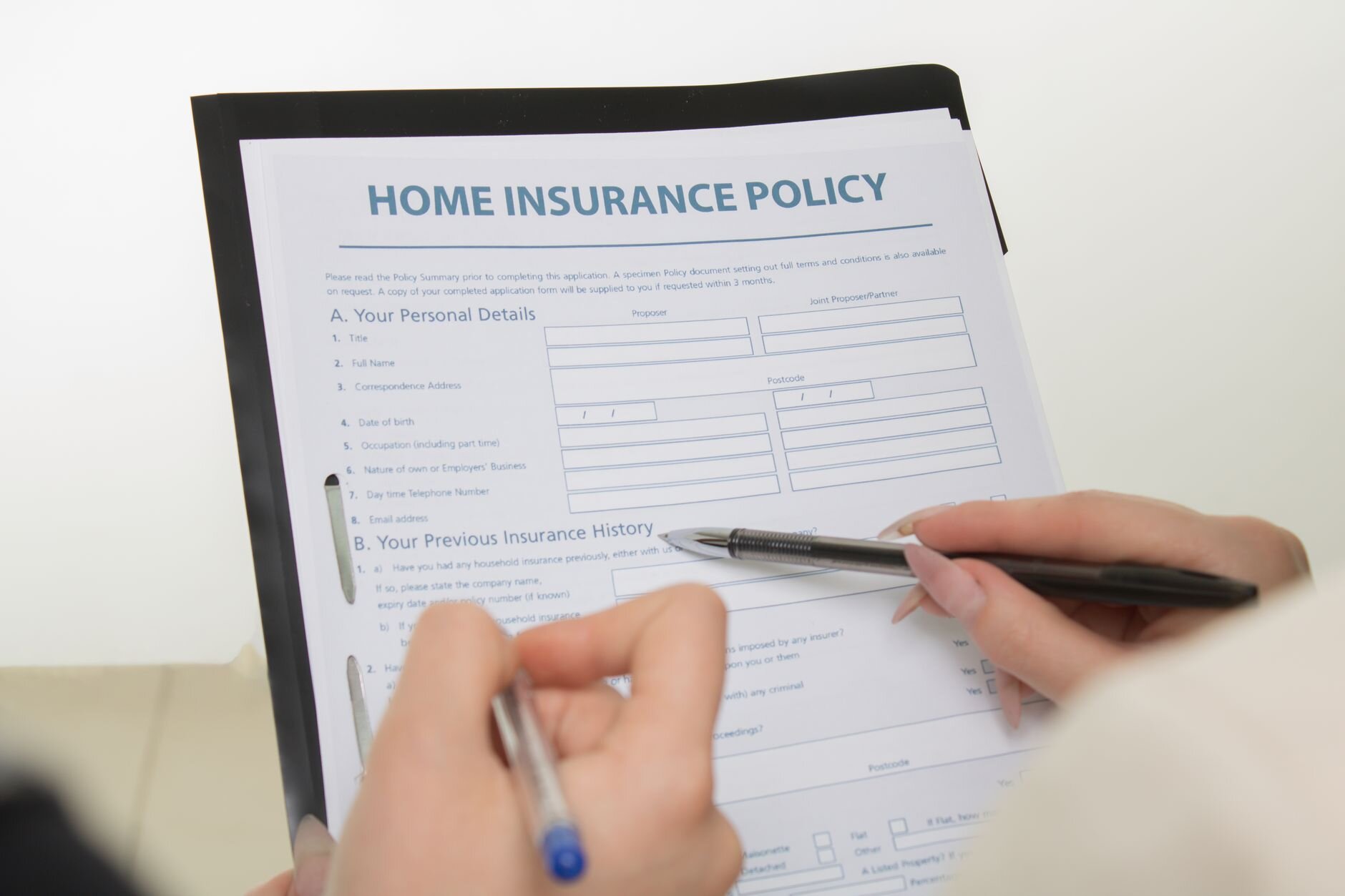
- Start with your declarations pagethe summary page at the front of your policy; it names the master policy type, limits, and deductible you need before you set your own limits
Quick answer: master policy vs HO-6 (in plain English)
Your HOA's master policy covers the building itself, and every owner pays for it through dues. It typically covers the building structure, the exterior, hallways, elevators, lobbies, and shared amenities. Your HO-6 is a unit-level policy you buy yourself. It typically covers your personal belongings, personal liability, temporary living expenses after a covered loss, and the parts of your unit the master policy leaves uncovered. Both policies are active at the same time, and each one covers different things.
What does a condo or HOA master policy typically cover?
The HOA master policy is designed to insure the parts of the property that belong to everyone, including the building and shared spaces. While specifics vary by policy, here is what a master policy typically covers.
Building structure and common areas
This typically includes the exterior walls, roof, foundation, structural framing, lobby, hallways, stairwells, elevators, parking areas, and shared amenities such as pools and fitness centers. The master policy is meant to rebuild or repair these elements after a covered loss.
What a master policy usually doesn’t cover inside your unit
Whichever type your HOA carries, these four are left to you as the unit owner: personal belongings, personal liability, additional living expenses after a covered loss, and any upgrades or improvements you have made beyond original condition. These are what your HO-6 covers.
The walls-in question: 3 common master policy types
The type of master policy your HOA carries decides how much of your unit's interior you have to insure yourself, and the three main forms differ a lot. So start by asking which type your HOA carries—that answer sets your dwelling limit, listed on your policy as Coverage A.
Bare walls (studs-out): you insure everything inside the drywall
Under a bare walls policy, the HOA covers only the building shell, including the exterior, structure, and shared areas up to the bare drywall or studs. Everything inside the unit boundary falls to you: interior walls, flooring, cabinets, built-in appliances, fixtures, and any improvements. If your building has a bare walls master policy, you'll need a higher dwelling (Coverage A) limit than owners in the other two setups.
Single entity (walls-in): What the HOA covers and what you cover
Under a single entity policy, the HOA covers the building plus the original fixtures and finishes inside the unit, as originally installed. If you have a standard kitchen with original cabinets and appliances, those may be covered. However, any upgrades you’ve made—granite counters, new flooring, and custom fixturestypically are not covered by the master policy and fall to your HO-6. So you still need enough Coverage A to rebuild the upgrades you paid for yourself.
All-in: What the HOA covers and what you cover
Under an all-in policy, the HOA covers the building, original fixtures, and even upgrades you’ve made inside the unit. This master policy type includes more of your unit's interior than the other two. Even so, you still need HO-6 for personal belongings, personal liability, and additional living expenses. A master policy doesn't include any of those, whichever type your HOA carries.
How to confirm your building’s master policy type
Ask your HOA board or property manager for four documents:
1. The master policy declarations page—shows coverage type, limits, and deductible
2. The covenants, conditions, and restrictions (CC&Rs) and bylaws—your community's covenants, conditions, and restrictions, which define where your unit legally begins and ends and what you're responsible for
3. Any insurance requirements the HOA places on unit owners
4. Recent assessment history, if available
Condo master policy vs HO-6: who covers what?
Coverage area | HOA master policy typically covers | You typically need HO-6 for |
|---|---|---|
Building exterior (roof, siding) | Yes | No |
Common areas (lobby, halls, amenities) | Yes | No |
NoStructural elements (foundation, framing) | Yes | No |
Interior walls/drywall (varies by policy type) | Varies | Often yes (bare walls policy) |
Original fixtures (varies by policy type) | Varies | Often yes (bare walls policy) |
Upgrades/improvements (floors, cabinets, custom finishes) | Rarely (all-in only) | Yes (Coverage A) |
Personal property (furniture, electronics, clothing) | No | Yes (Coverage C) |
Personal liability | No | Yes (Coverage E) |
Medical payments to others | No | Yes (Coverage F) |
Loss of use (temporary housing) | No | Yes (Coverage D) |
Association deductible/special assessments | No | Often yes (loss assessment coverage) |
What your HOA insures depends on your master policy type and your HOA documents. Confirm the details on your declarations page—the summary at the front of your policy—and in your bylaws before you set your own limits.
The most common coverage gaps condo owners face
These are the gaps that catch condo owners off guard most often.
Interior finishes and upgrades
Many condo owners assume their association’s policy covers the interior since the HOA handles the building overall. Under a bare walls policy, even your drywall, flooring, and cabinets are your responsibility. If you remodeled and your HOA has a single entity policy, your upgrades are still typically your responsibility. If you set your dwelling limit too low, you pay the difference on those repairs yourself.
Personal property
The master policy does not cover your belongings under any policy type. Your furniture, electronics, clothing, appliances, and valuables are covered by your HO-6 rather than the master policy, subject to your limits and the policy terms. If you underestimate what your belongings are worth, or choose actual cash value instead of replacement cost, your payout can fall well short of what it costs to replace them. If you want a refresher, see actual cash value vs replacement cost.
Loss assessments and deductibles
When a covered loss to shared property exceeds the master policy’s limits, or when the master policy has a large deductible (particularly a percentage wind or hail deductible), the HOA may levy a special assessment against unit owners. Without loss assessment coverage on your HO-6, you pay that assessment entirely out of pocket. For more background, see condo insurance.
Real-life scenarios: how the gap plays out
Water damage from your unit
Your HO-6 may cover the damage to your interior, subject to your coverage and deductible. Your personal liability may help if you are found responsible for the neighbor’s damage. The master policy may handle structural elements, depending on the policy type.
Fire in another unit
A fire originating in a neighboring unit damages the hallway and parts of your unit. The master policy typically handles the building structure and common areas. What the master policy covers inside your unit depends on the policy type. Your HO-6 covers your belongings and the interior elements the master policy leaves to you.
Special assessment after a major loss.
A hurricane damages the building roof and common structures. The master policy deductible is 2% of the building's insured value rather than a flat dollar amount, so the bill is much larger than most owners expect. The HOA passes the deductible cost to unit owners as a special assessment. Without loss assessment coverage on your HO-6, you absorb that bill on your own.
Do I need HO-6 if my HOA has insurance?
Yes, in almost all cases you do. No master policy covers your personal belongings, your personal liability, your temporary living costs after a covered loss, or your interior finishes under a bare walls or single entity policy.
If you don't carry an HO-6 and your unit is robbed, flooded from above, or damaged by fire, you have no insurance for your belongings or your liability. Your mortgage lender may also require it, and your HOA may as well. And even if neither requires it, without an HO-6 you'd pay to replace your belongings and settle any liability claims yourself.
How to choose HO-6 coverage amounts (fast checklist)
1. Get the master policy declarations page—identify the type (bare walls, single entity, or all-in) and the master policy deductible
2. Estimate your personal property—using a room-by-room inventory
3. Match your Coverage A (dwelling) limit—to what it would actually cost to rebuild your unit’s interior and improvements, based on the master policy type
4. Choose liability limits—based on your assets and risk
5. Consider loss assessment coverage—ask about the master policy deductible and the size of past or potential assessments
6. Compare quotes with the same inputs across carriers—so the only thing that differs is the price
Condo master policy vs HO-6 FAQs
Does the HOA master policy cover my kitchen remodel?
Typically no, unless your HOA carries an all-in master policy. Under bare walls and single entity policies, your remodeled kitchen (new counters, custom cabinets, and upgraded appliances you installed) isn’t covered by the master policy. It falls to your HO-6 Coverage A (improvements and betterments).
What if my HOA has a huge deductible?
A large master policy deductible, especially a percentage-based wind or hail deductible, which is more common in coastal states, can result in a significant assessment to unit owners after a major event. Loss assessment coverage on your HO-6 may help cover your share, up to your selected limit. Review the master policy deductible amount before choosing your loss assessment limit.
What documents should I request from my HOA?
Request the master policy declarations page (shows type, limits, deductible, and carrier), the CC&Rs (defines unit boundaries), the bylaws (describes owner vs HOA responsibilities), and any insurance requirements the HOA places on unit owners. These documents give you the full picture.
Hippo compares quotes from 70+ carriers in about 60 seconds, so you can see more than one carrier’s view of your condo. Get a free quote at hippo.com.
This article is for informational purposes only and was compiled from sources not affiliated with Hippo. While we believe this information to be reliable, we do not guarantee its accuracy or completeness. For any insurance-related decision, please consult your licensed insurance producer.