Landlord Insurance in Philadelphia
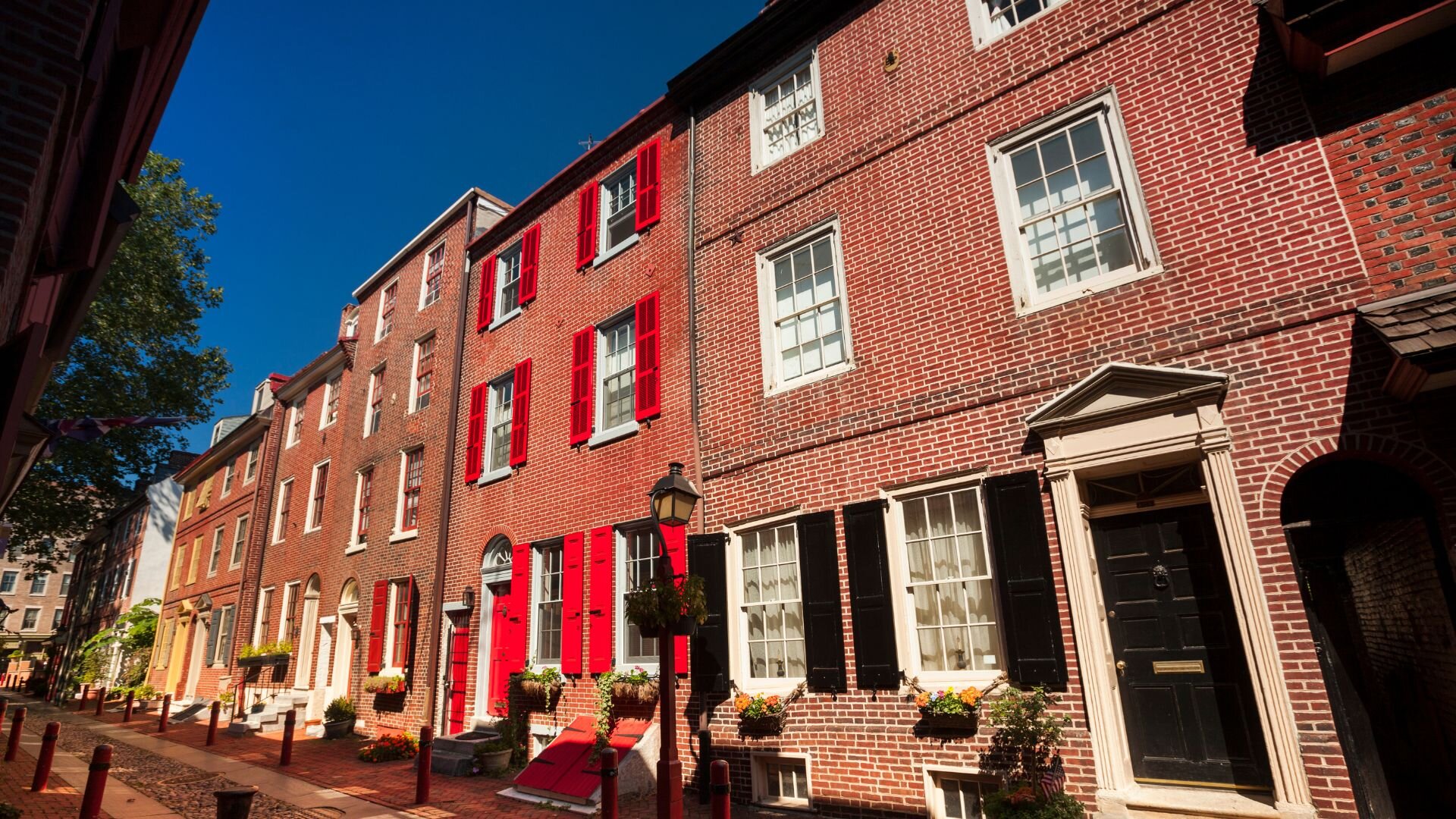
From the cobblestone streets of Old City to the murals that turn every block into a canvas, Philadelphia is a city where history and artistry live side by side. It hums with the energy of rowhomes, bustling markets, and generations of stories layered into every neighborhood. Yet for landlords, beneath this beauty lies the need to guard against very real risks.
Nearly half of Philadelphia households are renter-occupied, which means a significant number of properties are exposed to tenant-related risks. Add in challenges such as harsh winter storms, potential for flooding along the Schuylkill and Delaware Rivers, fire hazards in densely populated neighborhoods, property crime, and potential vacancies, and landlord insurance could become a helpful safeguard for property owners.
Key takeaways
- Landlord insurance isn’t legally required, but often necessary: While Pennsylvania law doesn’t mandate landlord insurance, most owners end up needing it as it’s typically required by mortgage lenders.
- Landlord insurance differs from home insurance: Landlord insurance typically covers the rental dwelling, loss of rental income if the property becomes uninhabitable due to a covered peril, and landlord liability. Homeowners insurance (HO-3) typically covers an owner-occupied residence, including the structure, the owner’s personal property, and liability, but is not intended for rental properties.
- Policy covers interiors, belongings, and liability: Landlord insurance policies protect your condo’s interior (walls, flooring, cabinets), personal property (furniture, electronics, clothing), liability (if you cause damage or injury), and loss of use (temporary housing). However, typical exclusions can include earthquake, flood, sewer backups, normal wear and tear, and tenants’ property.
- Ways to lower landlord insurance premiums: Philadelphia residents may manage expenses by bundling insurance policies, installing safety features, disaster-proofing units, raising deductibles, and comparing quotes across insurers.
Is landlord insurance required in Philadelphia?
Landlord insurance is not legally required in Philadelphia or the state of Pennsylvania. However, most lenders require it before approving a mortgage on a rental property.
Even if you own your property outright, landlord insurance can help provide an added layer of protection against financial losses from property damage, tenant-related liability claims, or unexpected rental income loss.
Many landlords might assume that their homeowners insurance covers them, but the reality is that homeowners insurance doesn’t cover rental-specific risks. Any landlord may want to explore landlord insurance to help protect their property.
How much is landlord insurance in Philadelphia?
The landlord insurance cost in Philadelphia could vary widely depending on factors such as:
- Property location: Properties in urban areas of Philadelphia might carry higher premiums due to increased risk of theft, vandalism, or liability claims compared to suburban or rural Pennsylvania.
- Property type, age, and condition: The type of dwelling you’re renting out - whether it’s a single-family home, duplex, or multi-unit apartment building - will affect your premium. Insurers assess property types depending on their size, age, construction materials, and more. Generally, larger properties with more units cost more to insure.
- Claims history: Insurance companies look closely at past claims made on the property. A clean claims history may be taken into account when insurers evaluate pricing.
- Coverage limits: Insurance costs may increase as you raise your coverage limits. A landlord who opts for higher liability protection or a larger payout for rebuilding costs would pay more in premiums, but these selections reflect individual risk considerations.
- Add-ons: Any add-ons - also known as riders - will affect the type of coverage your property has, which will also impact your monthly premium.
- Rental income: Higher-value rental properties with greater income potential might carry higher premiums.
Landlords in Pennsylvania could expect to pay, on average, $1,080 [1] for landlord insurance.
Pennsylvania homeowners pay around $1,440 [2] per year for home insurance. This means that, on average, landlord insurance in Pennsylvania is about 25% cheaper than homeowners insurance. However, not all rental properties will be cheaper to insure, as the cost of landlord insurance is dependent on the factors listed above.
That being said, here’s how landlord insurance costs could vary by location in Philadelphia:
Center City & University City
Premiums in dense areas, such as Center City or University City, tend to be higher due to the combination of high property values, urban risks, and frequent tenant turnover.
North & West Philadelphia
Premiums vary widely by neighborhood. Some areas may see higher rates due to crime or older housing, while others fall near the city average. Vacancies and limited security can increase costs.
Northeast Philadelphia
Generally more residential with lower property values, so premiums are often lower than in central or higher-risk parts of the city, though still reflective of typical urban risks.
Suburban Philadelphia (Montgomery & Delaware Counties)
Often moderate or lower premiums compared to the city, with lower crime and newer housing, though high-value or older suburban properties may still cost more.
Factors that influence the cost of landlord insurance in Philadelphia
When it comes to landlord insurance, there isn’t a one-size-fits-all price tag. Premiums are shaped by a combination of property details, neighborhood conditions, and the type of coverage you choose. Accounting for these factors could help you see why costs vary across different parts of Philadelphia and guide you toward making smarter coverage decisions. Let’s look at them:
- Neighborhood risk: The location of your rental property determines the insurance costs. Properties in neighborhoods with higher crime rates or frequent flooding risks tend to carry more expensive premiums. For example, homes near the Schuylkill or Delaware Rivers might require flood insurance on top of standard coverage, which drives costs up.
- Property type: The kind of rental you own in Philly makes a difference. A single-family home in the Northeast is often cheaper to insure. Multi-family rowhomes in South or West Philadelphia usually cost more. The same goes for duplexes in University City and larger apartment buildings downtown. More tenants mean higher liability risks and greater repair expenses.
- Coverage limits: Insurance costs may increase as you raise your coverage limits. A landlord who opts for higher liability protection or a larger payout for rebuilding costs would pay more in premiums, but they also gain stronger financial security if something major goes wrong.
- Deductibles: Your deductible is the amount you pay before insurance coverage begins. A higher deductible could lower your monthly or annual premiums, but you’ll face higher out-of-pocket costs if you file a claim. A lower deductible works the other way around—less to pay when something happens, but higher ongoing premiums.
- Claims history: Insurance companies look closely at past claims made on the property. If there’s a record of frequent water damage, fire, or liability claims, insurers could view the property as riskier, leading to higher premiums. On the other hand, a clean claims history often keeps rates lower.
- Rental income: Properties that generate higher rental income are generally seen as more valuable and higher risk. If a loss forces tenants to move out, the insurer might need to cover more lost income, which is why premiums for high-income-producing rentals are often more expensive.
However, it is essential to note that landlord insurance costs vary across the city; premiums typically differ depending on the location of your rental property in Philadelphia. For a more accurate estimate, contact your local insurance provider.
Types of Philadelphia landlord insurance coverage
Landlord insurance, also called rental dwelling insurance, protects different types of rental properties common in Philadelphia, such as rowhomes, duplexes and triplexes, apartment buildings, and condos.
Not all landlord policies offer the same level of protection. The three most common types differ in what they cover, how claims are paid out, and how much they cost. Let’s have a look at them:
- DP1 (Basic Form): This is the most limited option. It typically covers only specific named perils, such as fire, vandalism, or wind damage. Claims are often settled on an actual cash value basis, meaning depreciation is factored in, which could lower your payout. DP1 is typically chosen for older homes or when keeping costs minimal is the priority.
- DP2 (Broad Form): DP2 expands coverage to include more risks, such as burst pipes, falling objects, or damage from ice and snow. Unlike DP1, many DP2 policies reimburse at replacement cost, which means you receive enough to repair or replace the damaged structure without depreciation deducted. This makes DP2 more comprehensive for landlords who want stronger protection at a mid-range price.
- DP3 (Special Form): DP3 is considered the most comprehensive option. Instead of covering only named perils, it protects against all risks except those specifically excluded in the policy. Most DP3 policies also use replacement cost coverage. With its broad protection, landlords of single-family or multi-family rentals in cities like Philadelphia may want to explore this coverage.
Beyond the policy type you choose, landlord insurance typically includes several core coverages that work together to protect both your property and finances. These coverages ensure you’re not left paying out-of-pocket for common risks tied to owning rental property.
- Dwelling coverage: This protects the physical structure of the rental property, including the walls, roof, flooring, plumbing, and wiring. The amount of dwelling coverage typically reflects the full rebuild cost of the property.
- Other structures coverage: This extends protection to detached garages, sheds, fences, and other non-attached structures. In urban Philadelphia neighborhoods, where rowhomes often have small yards or garages, this could be useful if a fence is damaged in a storm or a detached shed is vandalized.
- Personal property coverage: This covers items the landlord owns and keeps on-site, such as tools, appliances, or maintenance equipment. Tenant belongings, however, are not included; they need renters insurance for that.
- Liability coverage: This provides protection if someone is injured on your property and you are held legally liable for the incident. This includes medical bills, legal defense costs, or settlements.
- Loss of rental income coverage: This reimburses you for lost rental income if the property becomes uninhabitable due to a covered event, such as fire or severe storm damage. This ensures that even while repairs are being made, you can continue covering mortgage payments and other property expenses without major financial strain.
Extra landlord insurance coverage options in Philadelphia
Landlords in Philadelphia might want to consider additional coverage to protect against risks not typically included in a standard policy. Options include:
- Vandalism coverage: This coverage provides protection from intentional property damage caused by tenants, guests, or outsiders.
- Burglary coverage: It covers stolen appliances, tools, or maintenance equipment owned by the landlord.
- Building code coverage: Since many properties in the city were built decades ago, this coverage ensures you rebuild safely and legally without unexpected expenses.
- Vacant property coverage: This coverage is useful if a property sits empty for 30 days or more, as standard policies often exclude coverage for vacant rentals. This ensures your investment is still protected during tenant turnover, renovations, or extended vacancies.
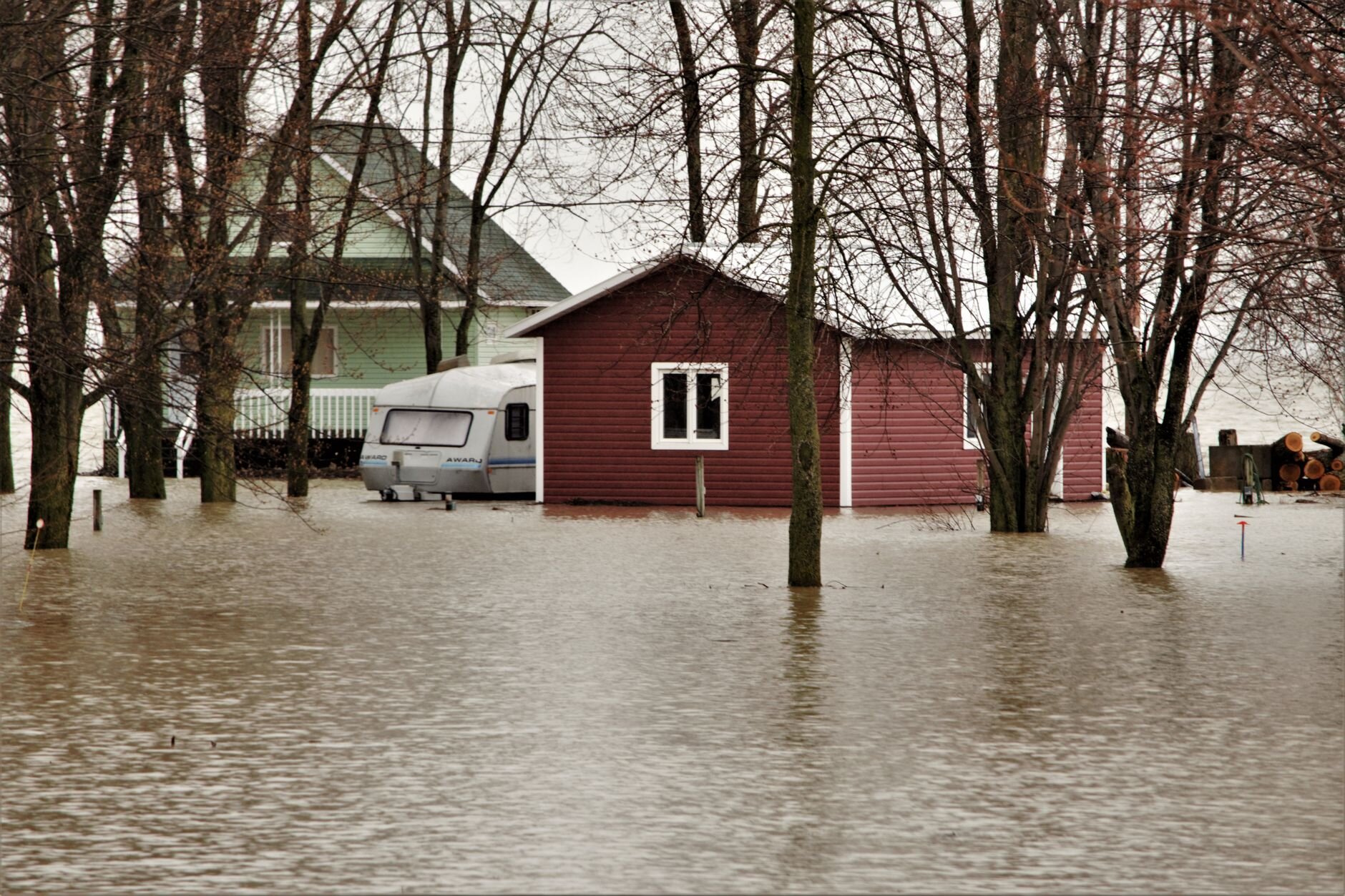
- Flood insurance: Standard landlord policies do not cover flood damage. Properties near rivers or flood zones might require a separate policy.
- Umbrella liability policy: This coverage provides extended protection if your regular coverage limits are exceeded. Some landlords consider umbrella policies when additional liability limits are desired.
Philadelphia landlord insurance exclusions
While landlord insurance may address a range of risks, it does not cover everything. Common exclusions include:
- Tenant belongings: Tenants need their own renters insurance to cover personal property such as furniture, electronics, and clothing. Landlord insurance does not extend protection to tenant possessions, even if damage is caused by a covered event, such as fire or theft.
- Appliance wear and tear: Normal breakdown or wear and tear on appliances is considered part of routine maintenance. While landlord insurance might cover sudden accidental damage, the cost of replacing a worn-out refrigerator or fixing a decades-old water heater typically falls on the landlord.
- Owner-occupied rentals: Renting out a room in your own home is typically not covered under landlord insurance. In these cases, you might need to adjust your homeowners policy or explore special endorsements designed for shared living arrangements.
- Flood and earthquake damage: These types of natural disasters are typically not included in standard landlord insurance policies. Landlords in flood-prone areas of Philadelphia or regions at risk of seismic activity must purchase separate flood or earthquake insurance for protection.
- Pest infestations or mold: Damage from termites, rodents, or gradual mold growth is typically considered a maintenance issue rather than a covered loss under most insurance policies. Insurers expect landlords to perform regular inspections and upkeep to prevent these problems from occurring.
How to lower your Philadelphia landlord insurance premium
Buying Philadelphia landlord insurance doesn’t have to break the bank. By adopting a few mindful strategies, you may be able to manage your premium costs while keeping important protections in place:
- Keep your property well-maintained: Schedule regular inspections, address repairs promptly, and maintain effective pest control to minimize risks and help prevent costly damage.
- Install safety features: Installing smoke detectors, smart home devices, and security systems may be considered by insurers when evaluating risk.
- Bundle policies: Some insurers offer multi-policy discounts when coverage is bundled, which can also simplify policy management.
- Raise your deductible: Select a deductible that strikes a balance between savings and affordability. A higher deductible lowers your premium, but make sure you’re comfortable with the out-of-pocket cost in the event of a claim.
- Shop around: Compare quotes from multiple insurance providers and consider working with an independent insurance provider for help evaluating options across different insurers.
Still have questions?
Interested in learning more about landlord insurance in Philadelphia? Here are answers to some common questions.
What would you most likely need to insure as a Philadelphia landlord?
You’ll need coverage for the structure itself, liability protection, and loss of rental income. Depending on your location, you might also need flood insurance or additional coverage for older row homes.
Why is landlord insurance more expensive?
It generally costs more than homeowners insurance because rental properties face higher risks, such as tenant damage, liability claims, and longer vacancy periods.
How much renters insurance should a landlord require in Philadelphia?
It’s generally recommended that landlords in Philadelphia ask tenants to carry about $100,000 [3] in liability coverage and around $20,000 in personal property coverage.
How could I save money on my landlord insurance in Philadelphia?
Some factors that may help manage costs include adjusting deductibles, installing certain safety features, and comparing quotes from multiple providers
How to estimate insurance on a Philadelphia rental property?
A good rule of thumb is that landlord insurance often costs 15 to 25% more than a comparable homeowners policy. For example, if home insurance in Philadelphia averages around $1,200 per year, a landlord policy could range between $1,500 and $2,000 annually. For multi-unit buildings or properties near high-risk flood zones, costs could be higher.
Sources
- Information from Insurance.com.
- Information from NerdWallet.
- Information from Apartments.com.
Figures reflect averages from publicly available sources as of November 2025.
This article is for informational purposes only and was compiled from sources not affiliated with Hippo. While we believe this information to be reliable, we do not guarantee its accuracy or completeness. For any insurance-related decision, please consult your licensed insurance producer.