Landlord insurance in Lakewood: coverage for landlords
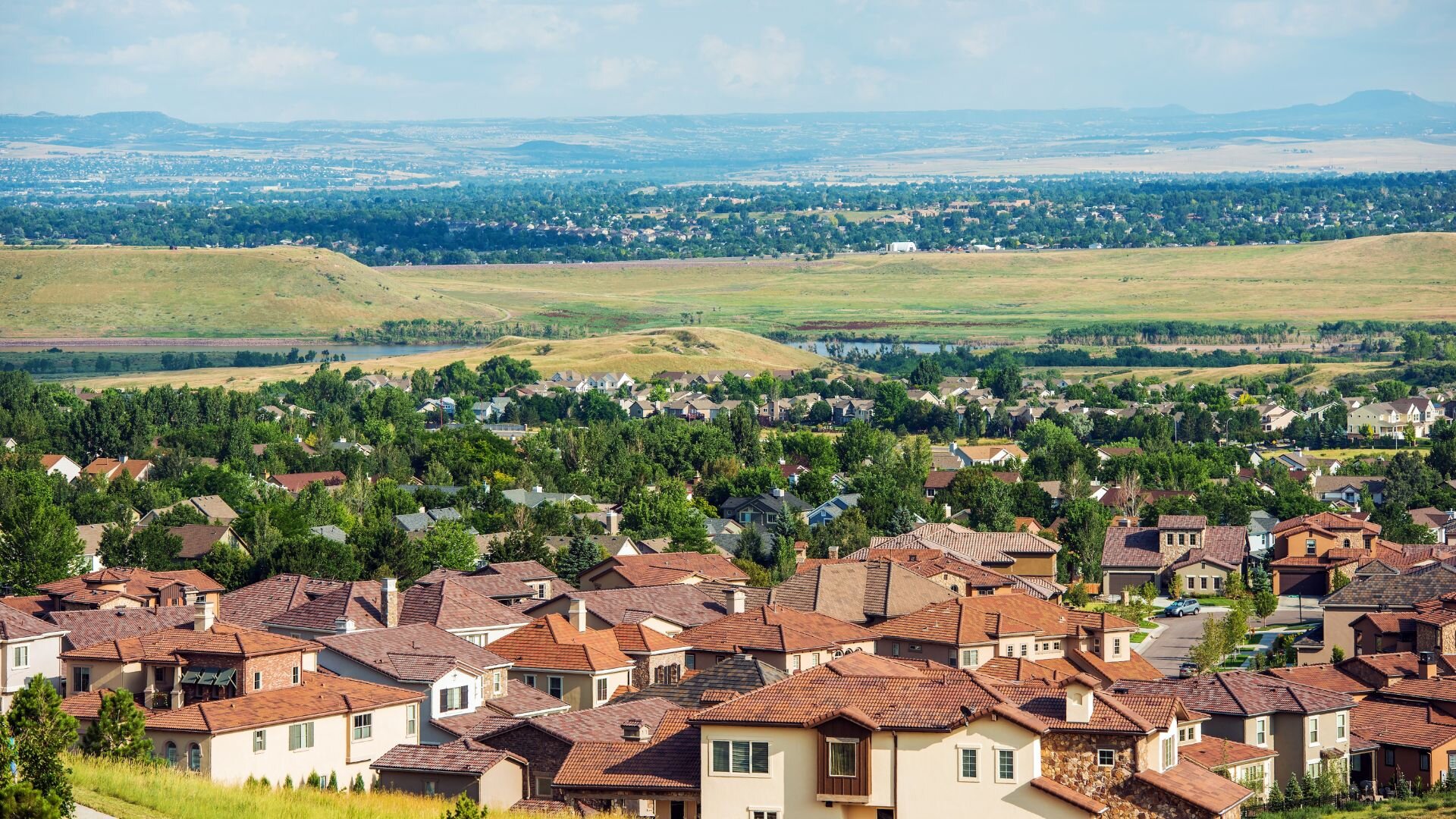
Owning a rental property in Lakewood, Colorado can be a strong long-term strategy thanks to steady rental demand and proximity to Denver. However, Lakewood landlords also face risks that have the potential to disrupt cash flow and property value. Severe hailstorms, heavy snow, freezing winters, and tenant-related liability claims are all common challenges in this part of Jefferson County.
Many property owners assume a standard homeowner’s insurance policy will protect them once a home is rented. In reality, homeowner policies are designed for owner-occupied residences and often exclude rental activity. Once a property is leased to tenants, coverage needs may change. That’s where landlord insurance in Lakewood, CO comes in.
Landlord insurance is designed specifically for rental properties. It helps protect the structure, provides liability coverage, and may replace lost rental income after a covered loss. For Lakewood property owners, it can play a role in helping protect against losses that might otherwise affect cash flow and long-term property value.
Key takeaways
- Homeowners insurance covers personal residences, while landlord insurance is designed for rental property risks.
- Landlord policies may carry higher premiums than homeowner policies in some cases, reflecting the added liability exposure associated with rental activity.1
- Roof coverage for hail damage and liability protection for tenant injuries are worth considering for Lakewood landlords.
- Landlord insurance may be required by your mortgage lender as a condition of financing.
- Reviewing deductibles, exclusions, and replacement cost coverage is an important step when selecting a policy.
How much is landlord insurance in Lakewood?
The cost of landlord insurance in Lakewood varies based on the property, coverage limits, and risk factors. In general, landlord policies may carry higher premiums than homeowner policies in some cases, as rental properties can involve greater liability exposure. [1]
Landlord insurance in Lakewood may vary by property type, though actual premiums depend on insurer underwriting and property-specific details.
Property Type | Notes for Lakewood Landlords |
|---|---|
Single-family rental | Roof age and hail exposure can affect pricing |
Duplex or small multi-unit | May involve greater liability exposure due to multiple tenants |
Condo rental | HOA master policy may cover exterior structure |
Factors that commonly influence landlord insurance costs in Lakewood include:
- Roof age and condition: Older roofs may be more vulnerable to hail damage.
- Property type: Single-family homes, duplexes, and multi-unit buildings typically carry different risk profiles.
- Location factors: Proximity to fire stations, hydrants, and emergency services may affect rates.
- Deductible selection: Higher deductibles may lower premiums but can increase out-of-pocket costs.
- Coverage options: Additional endorsements can increase premiums but may reduce financial risk.
Is landlord insurance required in Lakewood?
Landlord insurance is not legally required by the State of Colorado or the City of Lakewood. However, many property owners with a mortgage may find their lender requires landlord insurance as a condition of the loan.
Even owners who hold property outright may face significant financial risk without coverage. A single fire, hailstorm, or liability claim—such as a tenant slipping on icy stairs—could result in considerable out-of-pocket costs. For these reasons, many property owners treat landlord insurance as an important part of managing rental property risk.
Coverage for Lakewood landlords
A DP-3 landlord insurance policy—one common policy form for rental properties—provides coverage designed specifically for rental properties. It generally combines several core protections that address both property damage and liability exposure.
Please note that the below is subject to policy terms and limits.
Coverage type | What it covers | Why it matters in Lakewood |
|---|---|---|
Dwelling coverage | Structure: roof, walls, floors, systems | May cover damage from hail, wind, fire, and vandalism |
Liability coverage | Injury claims, legal defense | Important for snow- and ice-related accidents |
Loss of rental income | Rent lost during repairs | May help preserve cash flow after storms or fires |
Personal property coverage | Landlord-owned appliances or furnishings | May cover landlord-owned appliances or furnishings left on the premises for tenant use |
A DP-3 landlord policy is built on three core pillars: Dwelling coverage (structure), liability coverage (legal protection), and loss of rent (income protection).
Let’s explore each further:
Dwelling coverage
Dwelling coverage insures the physical structure of your Lakewood rental property, including the roof, walls, floors, and built-in systems. In Colorado’s hail-prone climate, roof coverage can be worth considering.
Landlords should understand the difference between replacement cost and actual cash value (ACV):
- Replacement cost pays to repair or rebuild using current materials and labor costs.
- Actual cash value subtracts depreciation, which can significantly reduce payouts for older roofs.
For many landlords, replacement cost coverage may result in higher claim payouts compared to actual cash value for older roofs.
Liability coverage
Liability coverage protects landlords if a tenant or visitor is injured on the property. Examples of potential liability claims include slip-and-fall accidents on icy walkways, stairway injuries, or issues related to property maintenance.
This coverage may help pay for medical expenses, legal defense, and settlements, subject to policy limits.
Loss of rental income coverage
Sometimes referred to as loss of rents or fair rental value coverage depending on the policy form, this protection may replace rent if a covered loss makes the unit temporarily uninhabitable, subject to policy terms and limits. For Lakewood landlords who rely on rental income to cover mortgages and expenses, this coverage may help maintain financial stability during the repair period.
Coverage terms and definitions vary by policy form and insurer.
Specific risks for Lakewood rental properties
Lakewood landlords face several location-specific risks that should be reflected in coverage decisions:
Type | Why this matters |
|---|---|
Hail and wind damage | Lakewood's Front Range location means roof and siding damage (from hail and wind events) can be more common. |
Freezing pipes | Winter temperature swings can increase the risk of burst pipes, particularly in vacant units. |
Slip-and-fall liability | Snow and ice accumulation can raise premises liability exposure. |
Sewer and water backup | Often excluded from base policies without an endorsement. |
Frequently Asked Questions
Is landlord insurance tax deductible in Lakewood?
Landlord insurance premiums are generally considered a deductible business expense for rental properties under federal tax rules. Owners should consult a qualified tax professional for guidance.
How do I choose the best landlord insurance provider in Lakewood?
Compare multiple policies with similar coverage limits and deductibles. Focus on hail protection, liability limits, and loss of rental income coverage rather than price alone.
What is the difference between rental insurance and landlord insurance?
Landlord insurance protects the building and the owner’s liability. Renters insurance covers a tenant’s personal belongings and liability. Many landlords require tenants to carry renters insurance.
What exclusions are common in Lakewood landlord insurance policies?
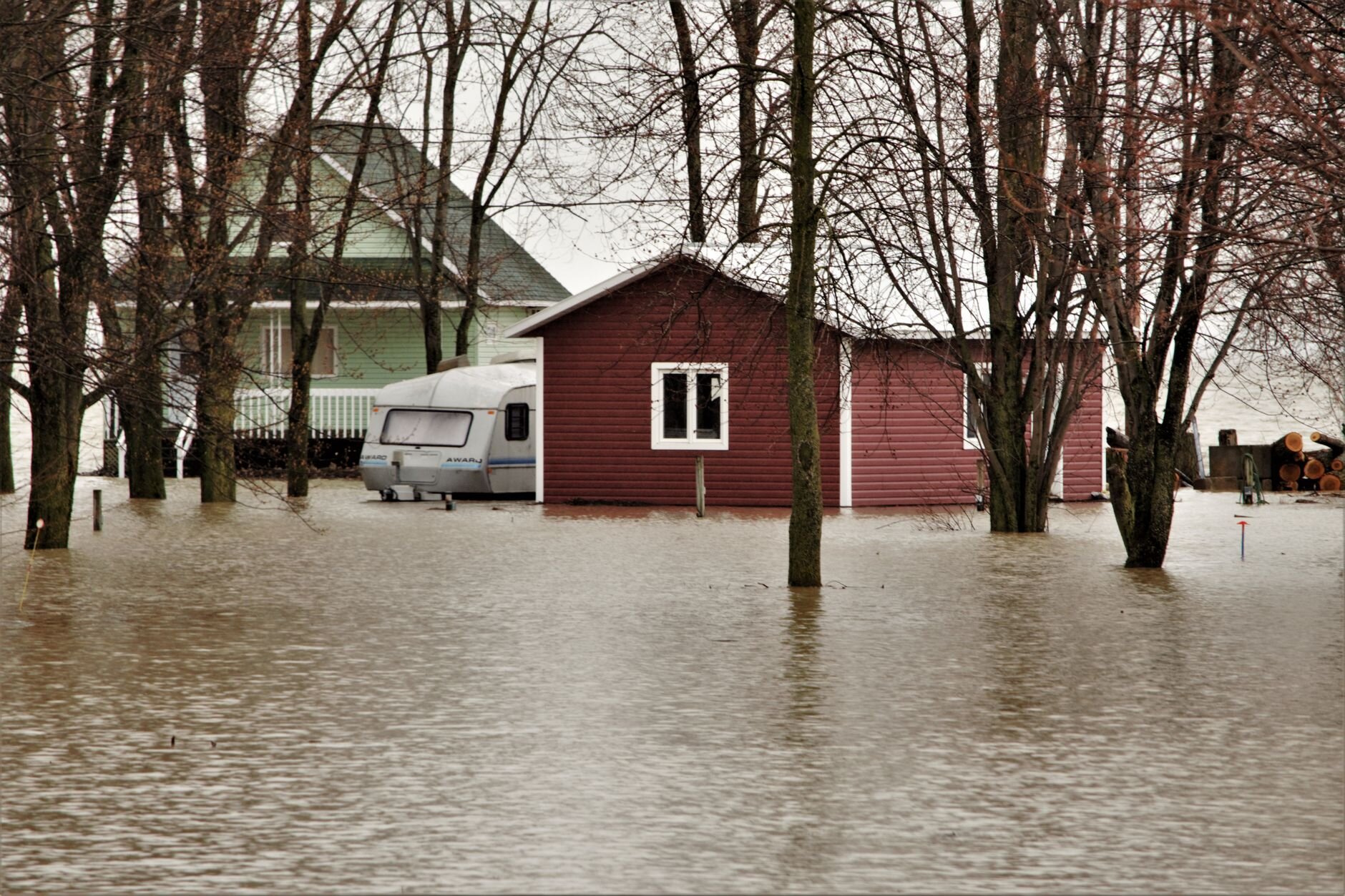
Common exclusions include wear and tear, poor maintenance, earth movement, mold, pest infestation, and flooding. Flood insurance typically requires a separate policy.
Sources
- Information from III.org.
This article is for informational purposes only and was compiled from sources not affiliated with Hippo. While we believe this information to be reliable, we do not guarantee its accuracy or completeness. For any insurance-related decision, please consult your licensed insurance producer.