The #1 Problem Affecting Homeowners? Water Damage
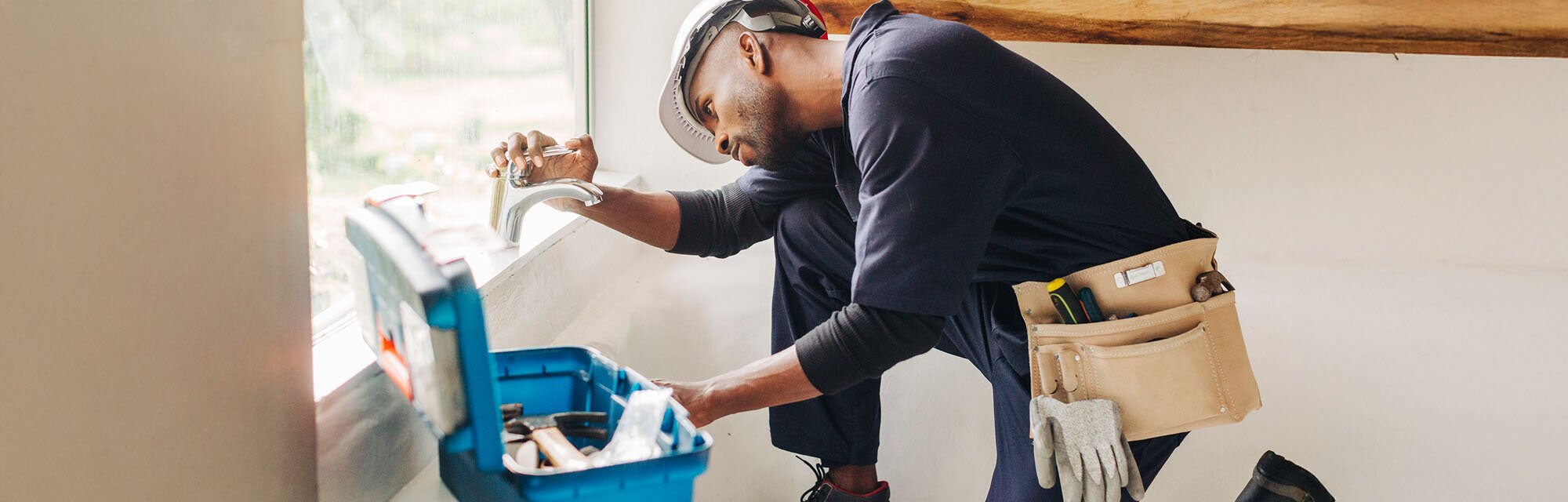
Plumber is installing a faucet.

Every year, American homeowners face new challenges in maintaining and protecting their properties. According to our latest Hippo Housepower Report, water damage is an increasingly common and costly issue. 

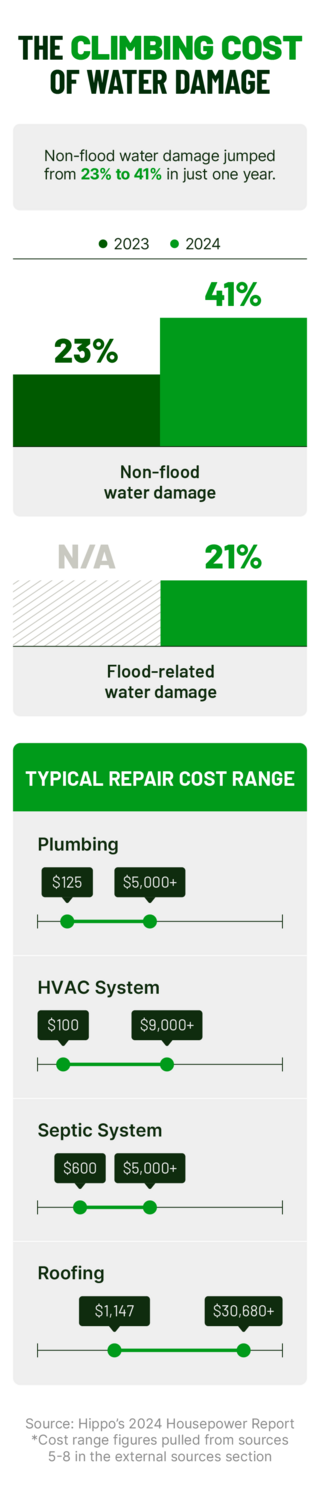
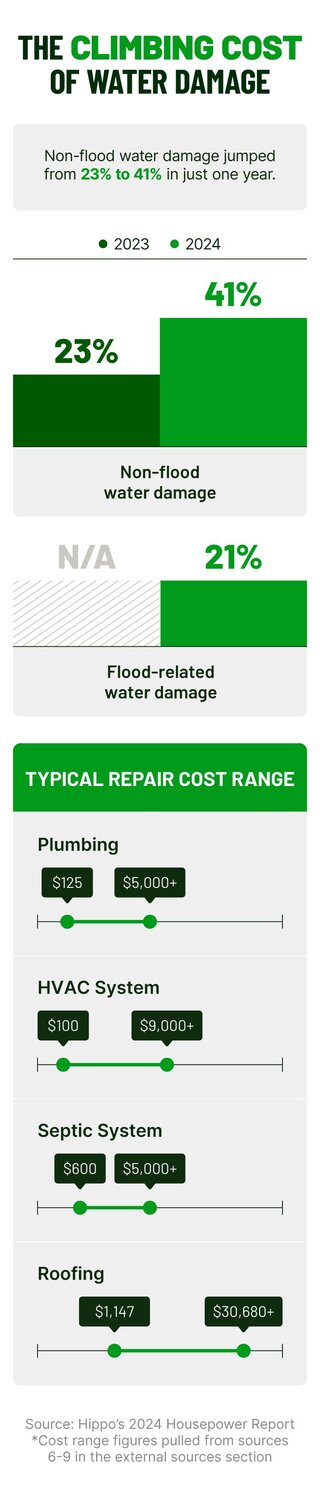
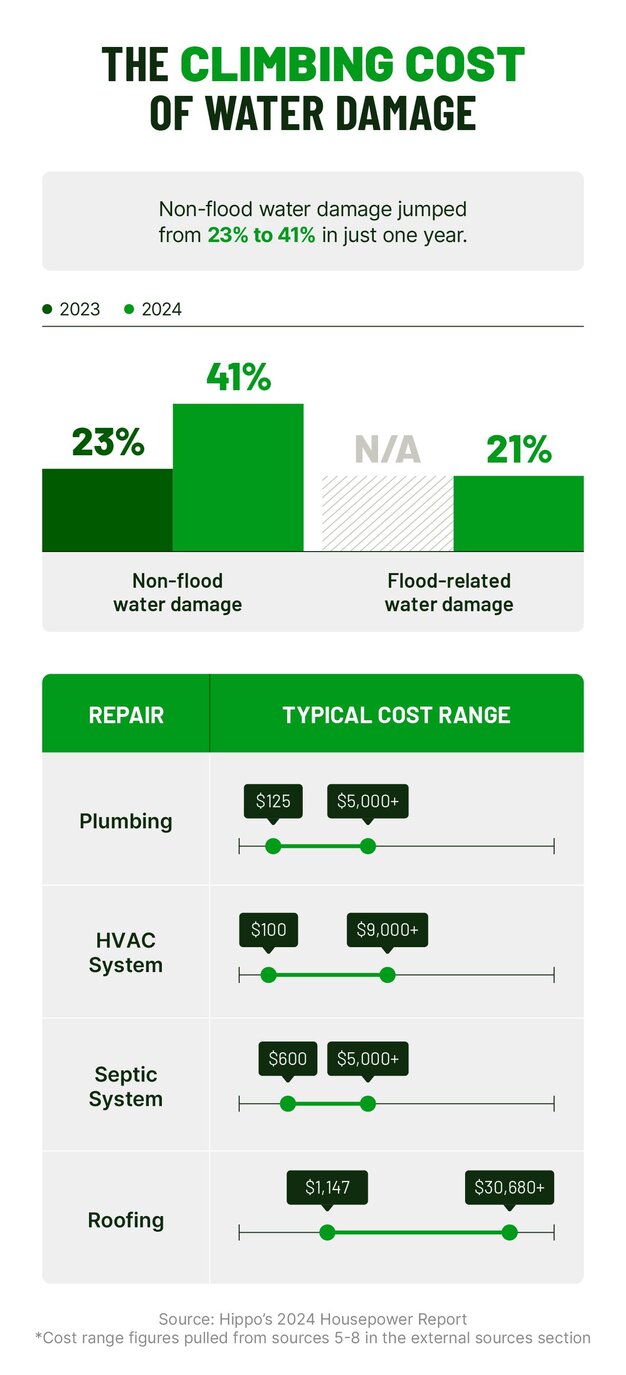
Last year, 41% of homeowners experienced non-flood water damage and 21% reported flood-related damage—up sharply from 23% two years ago

Winter weather pushed homes to their limits, with freezing pipes and ice dams exposing structural weak spots. As the data shows, even a small leak can escalate into significant damage if ignored. That’s why more homeowners are prioritizing preventive maintenance and professional inspections before problems begin.

In this post, we’ll explore why water damage is on the rise, what it means for homeowners, and how proactive maintenance can help protect homes year-round.

Where water damage is surging: Middle Atlantic and Pacific regions lead the way
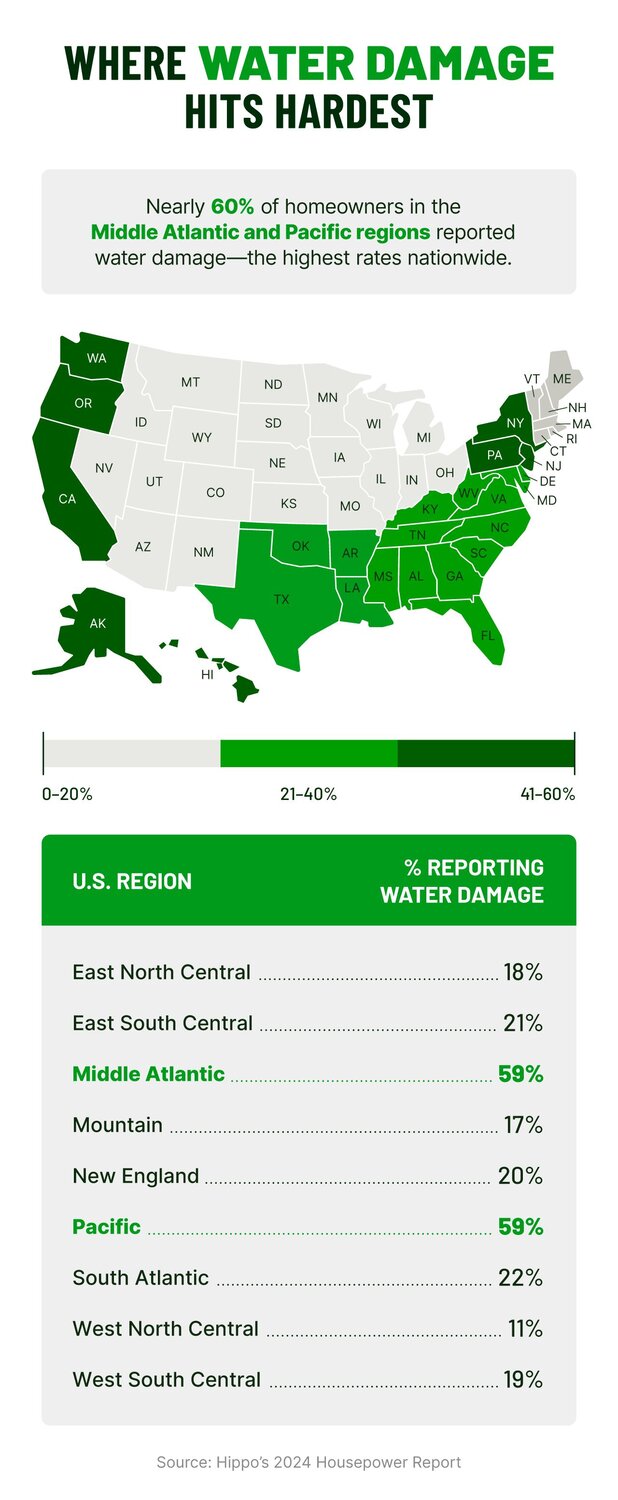
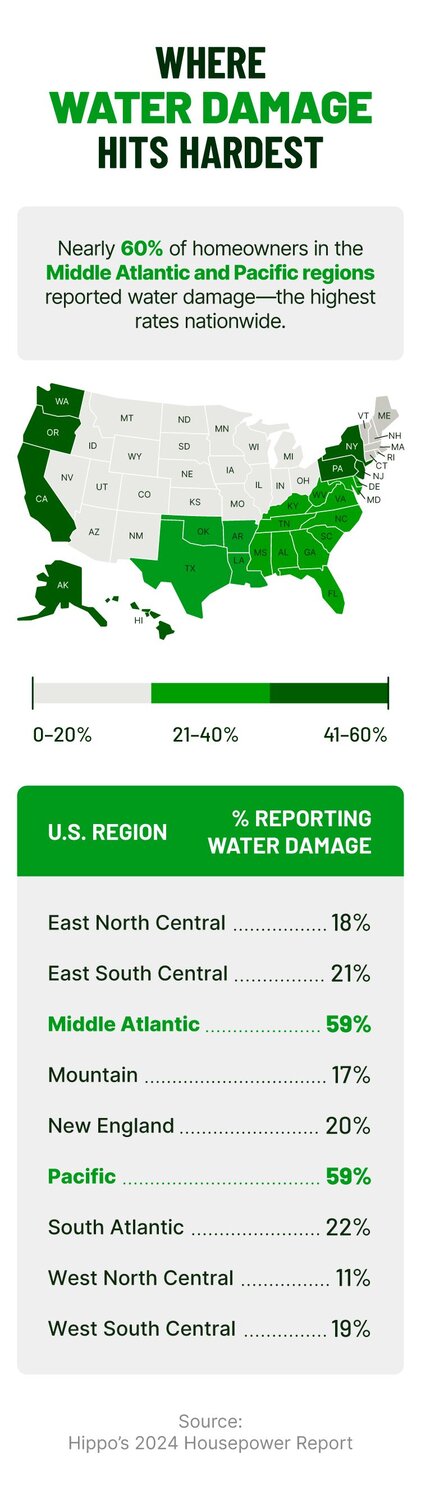
Not all regions of the U.S. face water damage equally. According to Hippo’s 2024 Housepower Report, homeowners in the Middle Atlantic and Pacific regions reported the highest rates — nearly 60% in each area. 

In the Middle Atlantic region, states like New Jersey, New York, and Pennsylvania stood out for their high incidence of water-related issues. On the West Coast, California, Washington, and Oregon saw similar trends, potentially driven in part by coastal storms and aging homes.1 By comparison, the South Atlantic followed with 22%, and most other regions were below 25%.

Heatmap showing Middle Atlantic and Pacific regions with the highest percentage of homeowners impacted by water damage in 2024
Extreme weather makes homes in these regions more vulnerable, allowing water to enter through roofs, walls, or plumbing, potentially damaging essential systems, like HVAC.2 Even minor issues can escalate quickly, highlighting the importance of proactive maintenance and seasonal inspections.

These trends also influence coverage decisions. In 2024, 49% of respondents said they would consider adding flood insurance, while 33% expressed interest in sewer or water line coverage.

Why water damage is so common (and costly)
Climate change may be partly to blame for the surge in water damage to homes. Homes in areas facing heavier rainfall, stronger storms, or rapid snowmelt could face higher water-related risks, especially if construction is older or infrastructure is aging. 

Research suggests that extreme weather events are becoming more frequent and intense, pushing home systems beyond their limits.3

Winter conditions can worsen hidden water problems. Even small leaks or moisture trapped behind walls or under floors can expand as cold conditions weaken pipes and building materials. Over time, these issues can affect essential systems throughout the home, turning minor maintenance needs into expensive repairs.4
Chart comparing the rising rates of water damage incidents in 2023 vs 2024 alongside typical repair and preventive maintenance costs
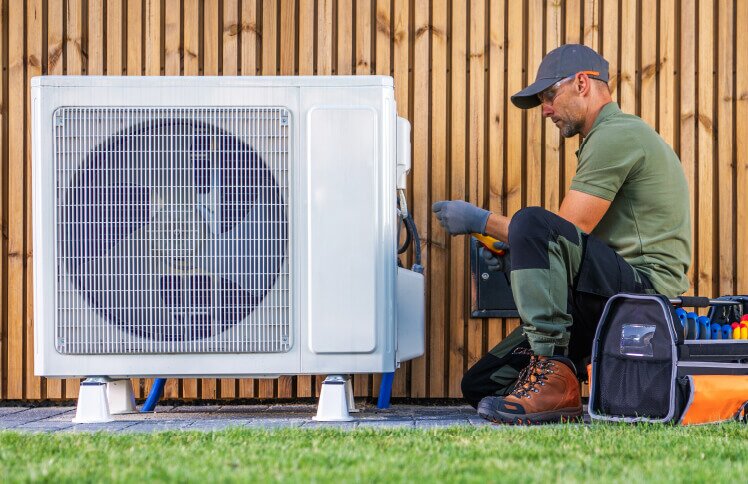
In addition to walls, floors, and plumbing, water can also harm HVAC systems. Moisture can corrode components, short-circuit electrical parts, or reduce efficiency. 

The financial toll is substantial, as revealed by our Most Expensive Home Repairs report:

  • Plumbing repairs: $125 – $5,000+
  • HVAC system repairs: $100 – $9,000+
  • Septic system repairs: $600 – $5,000+
  • Roofing repairs: $1,147 – $30,000+ 

Investing in preventive maintenance could help reduce these expenses and avoid the disruption that accompanies major repairs.

Common sources of water damage in homes

Water damage usually follows predictable weak points in a home’s design and systems. Understanding where it happens can help homeowners spot vulnerabilities early.

Denton Belnap, founder of High Country Exteriors in Idaho, shares an  example. “I've responded to calls where a homeowner ignored a 'small drip' from their roof valley for two seasons,” he tells us. “What could've been a $400 shingle repair became an $8,000 restoration project with structural work."

The chart below details common water damage sources to look for:

Problem

Potential causes

Potential water damages

Plumbing failures

Burst pipes, aging supply lines, worn-out water heaters

Leaks behind walls or under floors, damaged walls and floors

Roof leaks and gutter issues

Damaged shingles, flashing issues, clogged gutters

Water entering attics and ceilings, mold growth, structural damage

Appliance and HVAC leaks

Slow leaks at connections, worn components, aging systems

Pooling water, flooring damage, system malfunctions

Weather-related events

Heavy rain, snowmelt, localized flooding

Basement flooding, foundation damage, erosion or soil shifting

How to spot and prevent water damage 

Preventing water damage starts with recognizing early warning signs. Subtle signals—like texture to odors—often indicate hidden moisture problems. 

Frank Gaborik, the owner of Danika Plumbing LLC in Washington, notes, “Even minor plumbing issues, if ignored, can escalate quickly. Catching them early can save thousands in repairs and prevent mold growth or structural damage.”

And Carr Lanphier, the CEO of Improovy in Chicago, agrees, “Cleaning your gutters regularly and staying aware of your home means you can catch a potential moisture problem before it becomes extreme.” By regularly inspecting your home and acting on subtle warning signs, homeowners can reduce both damage and repair costs.

Early warning signs:9
  • Discoloration or stains on walls and ceilings
  • Peeling or bubbling paint
  • Warped or buckled flooring
  • Musty odors near basements or appliances
  • Unexpected spikes in water bills 

Helpful tools and tech: 
  • Smart water sensors – Detect moisture and send alerts
  • Leak detectors – Monitor plumbing for real-time notifications
  • Automatic shut-off valves – Stop water flow during leaks
  • Smart water meters – Track usage; flag unusual usage spikes 
  • Moisture meters/thermal cameras – Reveal hidden moisture in walls, floors, or ceilings 

Maintenance tips:
  • Check plumbing connections for leaks or corrosion
  • Clean gutters to ensure proper drainage and avoid overflow
  • Inspect roofs for damaged or missing shingles
  • Seal around tubs and showers 
  • Maintain proper grading and drainage around the foundation

Plug the gaps in your home's defense

Even well-maintained homes can face unexpected water damage. Staying vigilant, acting on early signs, and investing in preventative care can help homeowners reduce the impact of costly repairs.

Hippo connects homeowners to tailored insurance services, helping ensure your home is kept safe from the unexpected.

External sources:

  1. Realtor.com. (2025, September). 2025 Realtor.com Housing and Climate Risk Report
  2. Building Safety Journal. (2025, April). Flooded and Failing: What Happens to Plumbing, HVAC and Gas Systems?    
  3. The New York Times. (2025, November). A Climate ‘Shock’ Is Eroding Some Home Values. New Data Shows How Much.    
  4. FortifiedHome.org. (2025). Winter’s Unexpected Threat: Ice and Water Damage
  5. Homeguide.com. (2025, August). How much are average plumbing estimates? (2025)
  6. Homeguide.com. (2025, July). How much does HVAC repair, service, and maintenance cost? (2025)
  7. This Old House. (2025, May). 2025 septic tank repair costs
  8. Bill Ragan Roofing. (2025, June). How much does a new roof cost in 2025?
  9. This Old House. (2025, October). Water Damage Statistics
  10. All quotes sourced from Featured.com

This article is for informational purposes only. The content reflects general homeowner considerations and is not professional advice. It also includes observed trends within the surveyed population and certain additional information compiled from sources not affiliated with Hippo. While we believe this information to be reliable, we do not guarantee its accuracy or completeness. For any insurance-related decision, please consult your licensed insurance producer.

Sources cited are publicly available and referenced as of November 2025.

Share

Any Questions?
Ask away - we're here to help
Email us

Hippo

Social Media

Get the App

app QR codeScan me

© 2025 Hippo Holdings Inc.

References to “Hippo” mean Hippo Analytics Inc. d/b/a “Hippo Insurance Services” which is an insurance agency licensed in 50 states (California Lic. No. 0K96532, Texas Lic. No.2213178) that is domiciled in Delaware and has a principal place of business in California. Hippo sells property and casualty lines of insurance for affiliated and non-affiliated insurance carriers and other underwriting entities (“insurers”). Hippo receives compensation from insurers in the form of a base commission that is normally based on a predetermined percentage of the premium. You may contact Hippo for more information about compensation expected to be received by Hippo. Nothing on this site alters the terms or conditions of any insurance policy. Coverage and coverage amounts selected are the decision of the buyer. Availability and qualification for coverage, terms, rates, and discounts are subject to the insurer’s underwriting criteria, and may not be available in all states. Please read your policy for a complete description of coverage.