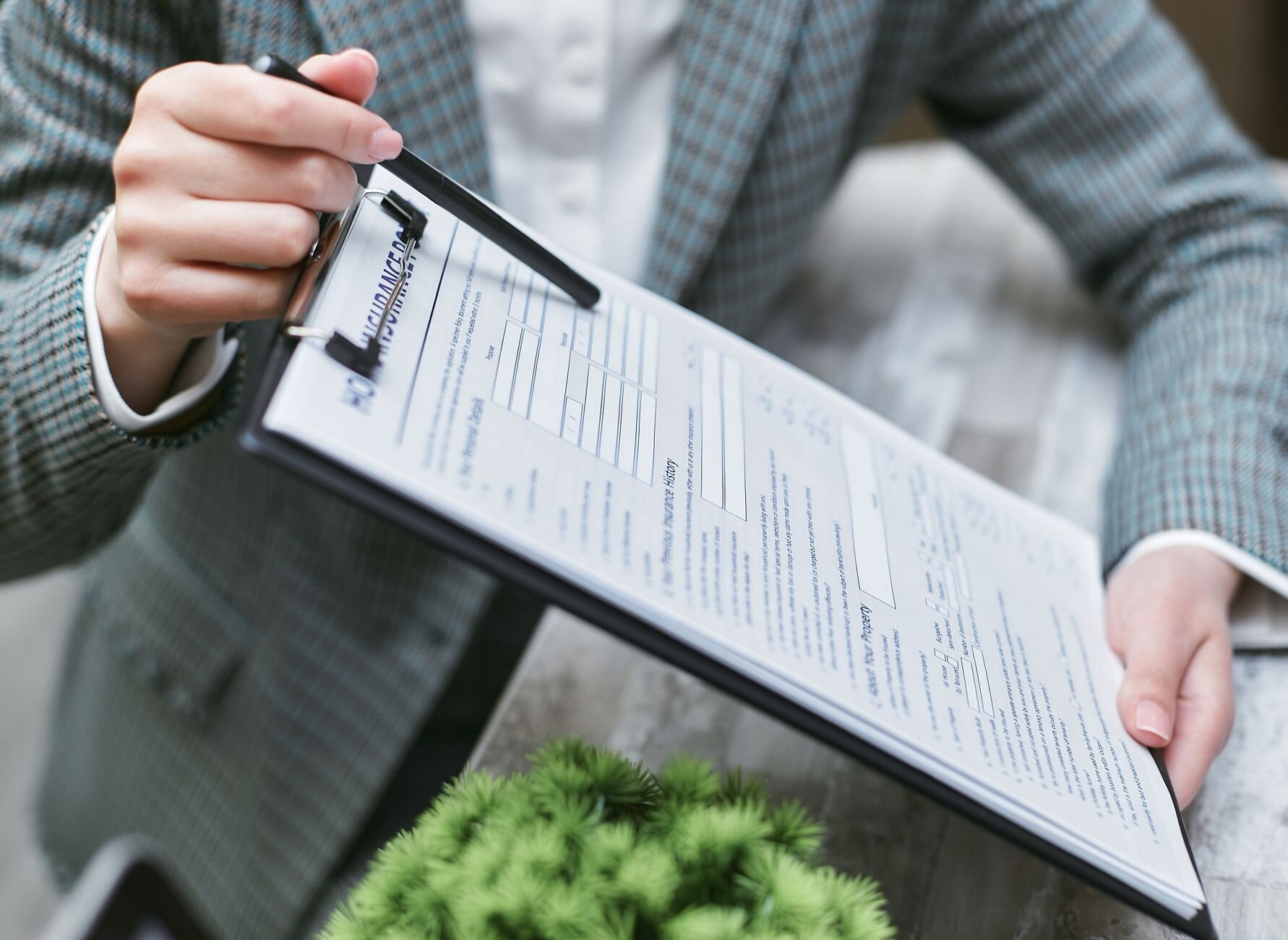
A claim documentation checklist is a record of everything you own and the condition it's in. And the whole point of creating one is to have it before anything goes wrong. For example, if a fire destroys all your living room furniture, a claim documentation checklist helps prove your losses.
With an inventory of your possessions already in hand, you’ll have what your claims team needs in order to move straight to valuing your losses. But without one, you’ll have to scramble and create an inventory at the worst possible time.
Here's what to document, how to store it so it survives the house, and when to update it.
Key takeaways
- Document before anything happens—the record you make in advance is the one that holds up later
- Gather receipts for high-value items—your policy limits often kick in when you file claims for jewelry, electronics, and collectibles
- Take photos of serial numbers and condition—wide shots for rooms, close shots for plates and labels
- Keep a copy off the property, encrypted cloud storage outlasts whatever happens to the house
- Review it once a year, after the holidays or a renovation is the natural moment
The essential pre-claim checklist
Preparation starts with getting an accurate inventory of your property. Building a home inventory now means you won't be scrambling to remember what you owned when you're already dealing with a loss.
Receipts for high-value assets
Keep physical or digital copies of proof of purchase for items that exceed your standard policy limits. This includes items like:
- Jewelry and watches
- High-end electronics or home theater equipment
- Specialized sports gear or musical instruments
- Fine art and collectibles
Room-by-room photo walkthroughs
Photos reveal to an adjuster the actual condition of your belongings before they were damaged. Be sure to take photos in good light, and get close enough so that serial numbers and wear and tear are visible. Be sure to:
- Open closets and drawers to show the volume of clothing and linens
- Photograph the serial number plates on appliances
- Capture wide-angle shots of every room to show the condition of flooring and walls
Digital inventory logs
A spreadsheet or a home inventory app lets you track the age and estimated value of what you own. Make it a habit of recording your items in one place, so it’s easier to maintain your inventory and less likely that you’ll forget something.
Why immediate proof of ownership matters
When you file a home insurance claim, the burden of proving what you owned rests on you. Without an inventory of your belongings made in advance, you’ll have to build that list from memory—very likely while under stress.
With an inventory ready, you can show the state of your home before an incident and your adjuster can focus on valuing your losses, instead of verifying them.
How to digitize your home inventory
Filing physical receipts or saving them on a single phone are both susceptible to failure. Cloud storage is your safest option. Here’s how to create a digital inventory in three steps:
- Record a home inventory video walking through your house and describing items.
- Take photos of your belongings and their receipts and upload them to a secure, cloud storage service, such as Dropbox or Google Drive.
- Make sure your photos include timestamped metadata, which shows when they were created.
What to do next: your seasonal review
Treat your inventory of belongings like any annual checklist. Update it every year by following these steps:
- Review your inventory after major holiday purchases or home renovations.
- Delete records for any items you no longer own to keep your list accurate.
- Verify that your digital backups are accessible and properly synced with new items.
Most insurance companies don’t get involved until you file a claim. Hippo works proactively to help you prevent claims in the first place. And creating a claim documentation checklist is a great way to be prepared in the event of a loss.
If you’d like more guidance on how to do it, speak with a Hippo agent. We’re here to help. Reach us at (650) 426-0546 or [email protected].
Frequently asked questions
How often should I update my home inventory?
You should aim to update your inventory at least once a year. A good time to do this is after the holidays when you may have received new gifts, or after a major home renovation.
Is a video walkthrough enough for an insurance claim?
A video walkthrough is a strong start for an insurance claim, and it does more when paired with receipts for high-value items. While a video shows you owned the item, a receipt proves exactly what you paid for it. This helps the adjuster provide a more accurate valuation of your personal property.
How and where should I store my documentation?
It’s best to create a digital inventory of your belongings and store your documentation in an encrypted cloud storage service, such as Dropbox or Google Drive. If you keep physical copies as well, store them in a fireproof safe.
This article is for informational purposes only and was compiled from sources not affiliated with Hippo. While we believe this information to be reliable, we do not guarantee its accuracy or completeness. For any insurance-related decision, please consult your licensed insurance producer.
Sources cited are publicly available and referenced in August, 2026.


