Landlord Insurance in Las Vegas: Key Considerations
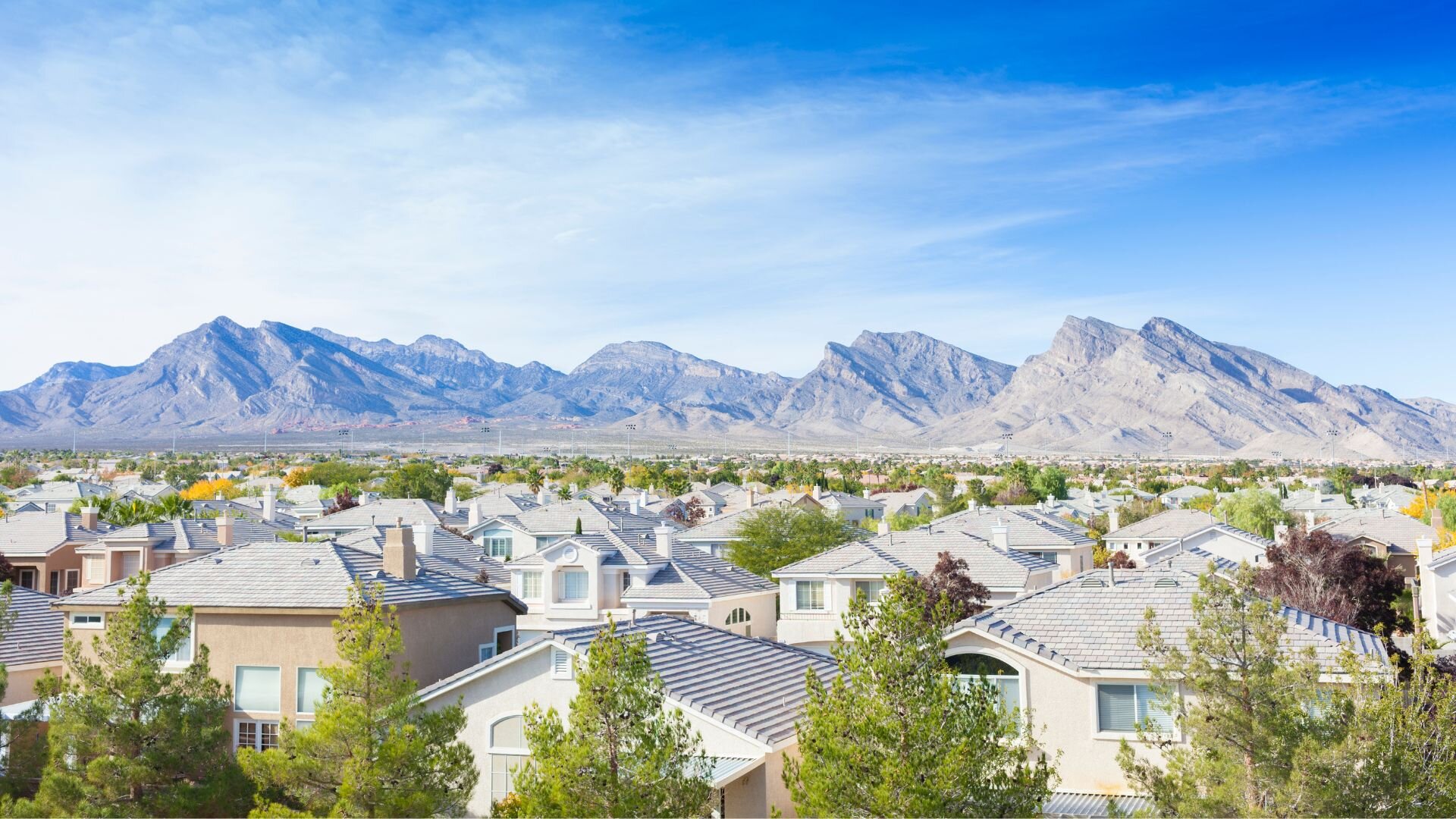
Las Vegas is known for its world-class entertainment, buzzing nightlife, and endless dining options. It also offers plenty of attractions beyond the Strip. Locals and visitors alike enjoy many of the local favorites, such as hiking at Red Rock Canyon, boating at Lake Mead, and soaking up the sunny desert climate that makes outdoor living possible year-round.
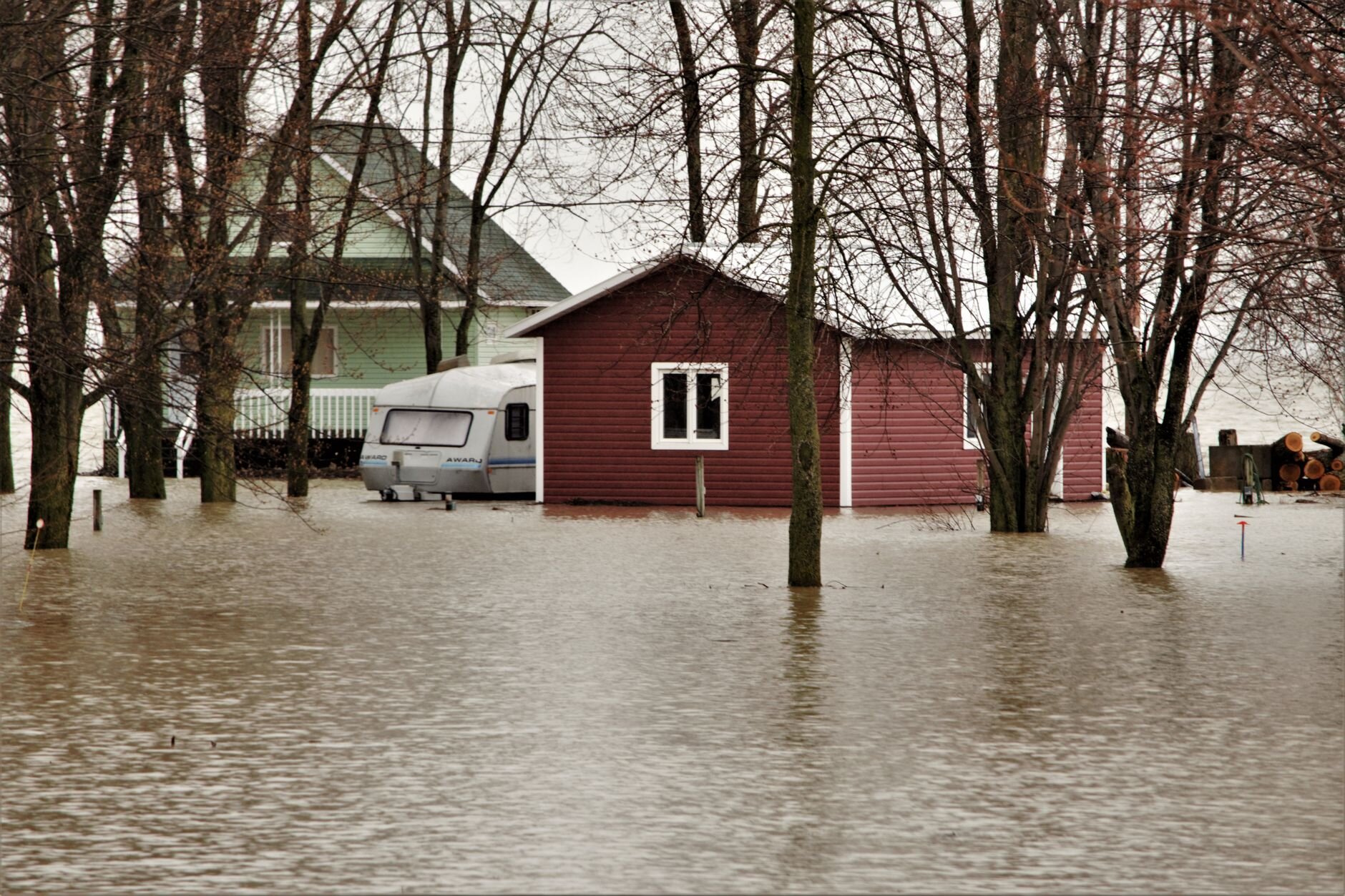
However, while Las Vegas offers numerous opportunities for property owners, being a landlord here also presents its challenges. Extreme desert heat could strain air conditioning systems, while sudden flash floods during the monsoon season could cause unexpected property damage. High tenant turnover in certain areas, the risk of vandalism or burglary, and vacancy periods in slower rental markets are all factors that landlords must manage.
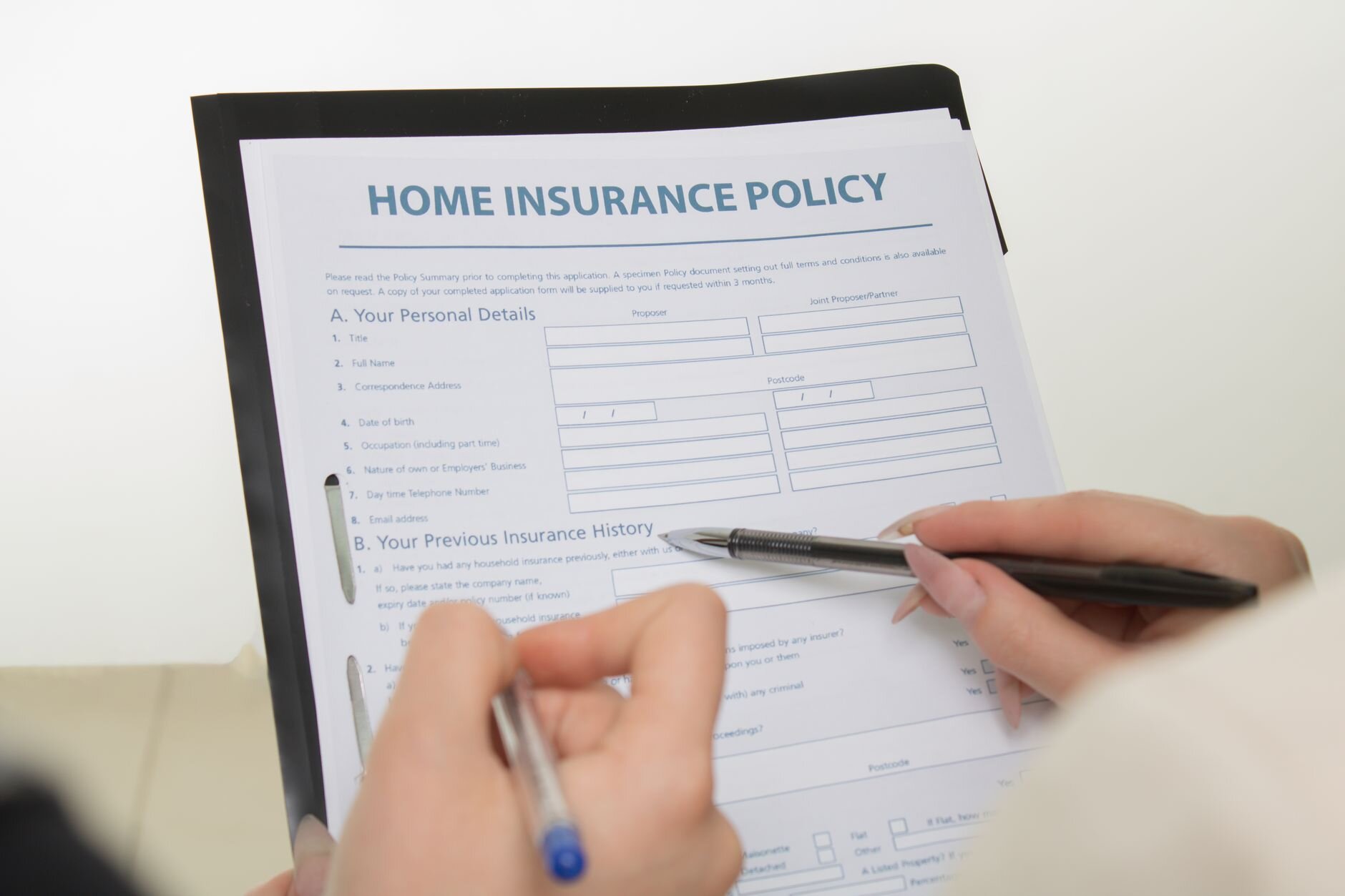
Standard homeowners insurance in Las Vegas is typically not designed to cover rental property use and related damages. That’s why landlord insurance in LV is so important. It helps protect your investment from property damage, liability claims, and loss of rental income. This type of policy can help manage some of the financial risks that come with renting out property.
Key takeaways
- Landlord insurance (DP-3) is tailored for rental properties in Las Vegas.
- It typically covers property damage, liability, and lost rental income.
- Optional add-ons might include coverage for vandalism, burglary, or vacant property.
- Landlord insurance in Las Vegas costs more than homeowners insurance due to added rental risks.
- Certain choices, such as security upgrades, policy structure, and how you manage the property, may influence premium costs.
Is landlord insurance required in Las Vegas?
Landlord insurance is not legally required in Las Vegas or Nevada. However, most mortgage lenders would require it for financing rental properties as an additional layer of security. Even if you own your Las Vegas property outright, having landlord insurance could protect you against risks like property damage, tenant lawsuits, and income loss.
It’s also important to note that homeowners insurance would not protect you if you’re renting out your property, making landlord insurance an option many owners consider.
How much is landlord insurance in Las Vegas?
On average, landlords in the city pay between $1,200 and $1,600 per year for a single-family rental and between $1,500 and $2,500 for a multi-family rental. However, it is not a definitive figure, and the cost of landlord insurance in Nevada is influenced by factors such as location, property type, and the specific coverage required. Let’s have a brief look at some factors.
Factors that influence cost include:
- Neighborhood location: In Las Vegas, location makes a big difference in insurance costs. Properties near the Strip or in high-crime areas often see higher premiums. Neighborhoods prone to flash flooding—especially during monsoon season—are also considered risky. Insurers could charge more if your property is located in these zones.
- Property type: A single-family home could cost less to insure than a multi-unit rental. Condominiums might sometimes cost less to insure, as the condo insurance typically covers the exterior of the building. However, landlords still need protection for the interior and liability.
- Coverage limits: Choosing higher dwelling coverage is intended to help align the policy with potential rebuilding costs, but it also increases premiums.
- Deductible amount: A higher deductible lowers monthly premiums but increases out-of-pocket expenses since you agree to pay out of pocket in case of any incident.
- Claims history: A history of previous or frequent claims on the property could result in increased costs. However, a clean claim history may help when insurers evaluate pricing.
- Rental income value: Higher-income-producing properties are often considered higher risk. This necessitates high coverage for such properties.
Types of Las Vegas landlord insurance coverage
Landlord insurance, also known as rental dwelling insurance, protects your rental property and your personal finances. In Las Vegas, where rentals range from homes in Summerlin to apartments near the Strip, having the appropriate protections in place is an important consideration.
A typical landlord insurance policy in Las Vegas could include the following protections:
- Dwelling coverage: Protects the structure of your property, like the walls, roof, floors, wiring, and plumbing. In Las Vegas, where heat and storms could cause damage, this coverage helps pay for repairs or rebuilding.
- Other structures coverage: Covers detached garages, fences, sheds, and carports. For example, if a summer monsoon damages a detached garage or knocks down a fence, this protection helps cover the costs of repair or replacement.
- Personal property coverage: Protects items you own and keep on the rental property for maintenance or tenant use, such as appliances, lawn care equipment, or tools. Many Las Vegas rentals include appliances, making this coverage especially helpful.
- Liability insurance: Provides financial protection if someone is injured on your property and you are found legally responsible. This could include medical bills, legal defense, or settlements.
- Loss of rental income coverage: Reimburses lost rent if your property becomes uninhabitable due to a covered event like a fire or major water damage. In a high-demand market like Las Vegas, this coverage helps protect your cash flow during periods when the property could not be rented.
- Optional add-ons: Many Las Vegas landlords also choose to add extra protection for risks not always included in a standard policy. These could include vandalism and burglary coverage, flood protection, building code upgrades, vacant property coverage, and umbrella liability policies. These additions are often considered by owners of properties in higher-risk areas or with older construction.
Additional coverage options For Landlords in Las Vegas
As a landlord in Las Vegas, you could enhance your standard rental property insurance policy with a range of endorsements and optional riders to address local risks and protect your investment. Here are some key coverage add-ons you may consider:
- Non-Occupied (Vacant) Dwelling Coverage: If your rental property sits vacant for more than 30 days (for renovations or tenant turnover), many standard policies exclude coverage. Adding a non-occupied endorsement ensures protection even when the unit is empty.
- Building Code/Ordinance or Law Coverage: After a loss, older properties may require costly upgrades to meet current building codes. This coverage helps cover those extra compliance expenses.
- Rent Guarantee/Loss of Income Coverage: Also known as rent guarantee or rent protection, this endorsement helps offset lost rental income if a tenant fails to pay or eviction proceedings delay payments.
- Vandalism & Burglary Endorsements: Standard policies might not fully cover damage caused by illicit entry or malicious acts, like broken windows, graffiti, or stolen landlord-owned appliances. A burglary or vandalism rider bridges that gap.
- Water-Related Coverages: Coverage for sewer or drain backup and sump pump failure could be added. Such water-related incidents are often excluded from basic policies.
- Legal Expenses & Liability Extras: Some insurers offer optional legal expenses insurance to assist with evictions, lease disputes, or other landlord-tenant legal matters.
Las Vegas landlord insurance exclusions
While landlord insurance offers a range of protections, it doesn’t cover everything. There are some common exclusions that one should be aware of. Some of them include:
- Tenant belongings: Landlord insurance only covers the building and fixtures you own; it doesn’t extend to your tenant’s belongings. If your tenant’s items are lost or damaged in a fire, theft, or water leak, they’ll have to cover those losses themselves. As the landlord, you aren’t responsible for their personal property.
- Normal wear and tear: Insurance does not cover appliance breakdowns, plumbing leaks from old pipes, or routine maintenance issues.
- Owner-occupied properties: If you rent out a room in your own home or share part of the property with tenants, it might not qualify for landlord insurance and often requires a different type of policy, such as a homeowner’s endorsement or specialized coverage for mixed-use properties.
- Flood damage: Standard landlord insurance excludes flood losses, meaning damage from flash floods would not be covered. To protect against this risk, landlords need a separate flood policy through the National Flood Insurance Program or a private insurance agent.
- Pest damage or mold: Infestations from termites, rodents, or bedbugs, along with gradual mold buildup, are considered preventable maintenance problems rather than sudden insurable events. That is why landlords are expected to manage pest control and property upkeep to avoid these issues.
How to lower your Las Vegas landlord insurance premium
Landlord insurance in Las Vegas (LV), Nevada, could feel costly, especially for rental properties with more foot traffic. However, with a few smart steps, landlords could lower expenses while while maintaining important protections:
- Maintain your property: A well-maintained house is usually less risky in the eyes of the insurers. You could do so by servicing HVAC systems, repairing roofs, and addressing plumbing issues promptly, which reduces the likelihood of claims.
- Add safety features: Simple upgrades like smoke detectors, fire alarms, or security systems not only protect tenants but may be taken into account by some insurers when assessing risk. This is especially helpful for properties located near tourist areas or neighborhoods with higher crime rates.
- Bundle your policies: Some insurers offer multi-policy discounts when you combine landlord insurance with auto or other policies. Bundling can also make it easier to manage your insurance in one place.
- Choose a higher deductible: By taking on a larger deductible, you could bring down your monthly premium. While you’ll pay more if you file a claim, this option works well for landlords who rarely need to use their coverage.
- Shop around: Since prices vary from one company to another, obtaining quotes from multiple providers often results in a clearer sense of the price range available. Sometimes, local insurers in Las Vegas may price certain properties differently than national carriers.
Still have questions?
Want to learn more about Las Vegas landlord insurance? Here are some commonly asked questions.
How can I save money on my landlord insurance in Las Vegas?
You may be able to manage costs by maintaining your property, considering certain safety features, and asking about multi-policy options. Comparing quotes from several providers can help you understand the range of prices available for your rental.
What would you most likely need to insure as a Las Vegas landlord?
Most landlords require protection for the building itself, detached structures, and any personal items stored for maintenance purposes. Liability coverage is also important in case someone is injured on your property, as well as loss of rental income coverage if the home becomes uninhabitable after a covered event.
How to estimate insurance on a Las Vegas rental property?
To obtain an estimate, begin by considering the size, age, and location of your rental property. Neighborhood crime rates, flood risk, and your claims history could all influence the cost. Get quotes from multiple insurers to see the price range for your specific property.
Why is landlord insurance more expensive?
Landlord insurance usually costs more than standard homeowners insurance because rental properties carry higher risks. Tenants might not maintain the home as carefully as an owner, and landlords face added liability if someone is injured on-site. Coverage for lost rental income also adds to the cost.
How much renters insurance should a landlord require in Las Vegas?
Many landlords require tenants to carry at least $100,000 [1] in liability coverage through renters insurance. This protects both the tenant and landlord in case of accidents. Some landlords also set minimums for personal property coverage to ensure tenants could replace belongings after a loss.
Sources
- Information from MoneyGeek.
Figures reflect averages from publicly available sources as of November 2025.
This article is for informational purposes only and was compiled from sources not affiliated with Hippo. While we believe this information to be reliable, we do not guarantee its accuracy or completeness. For any insurance-related decision, please consult your licensed insurance producer.