Landlord Insurance in Tampa
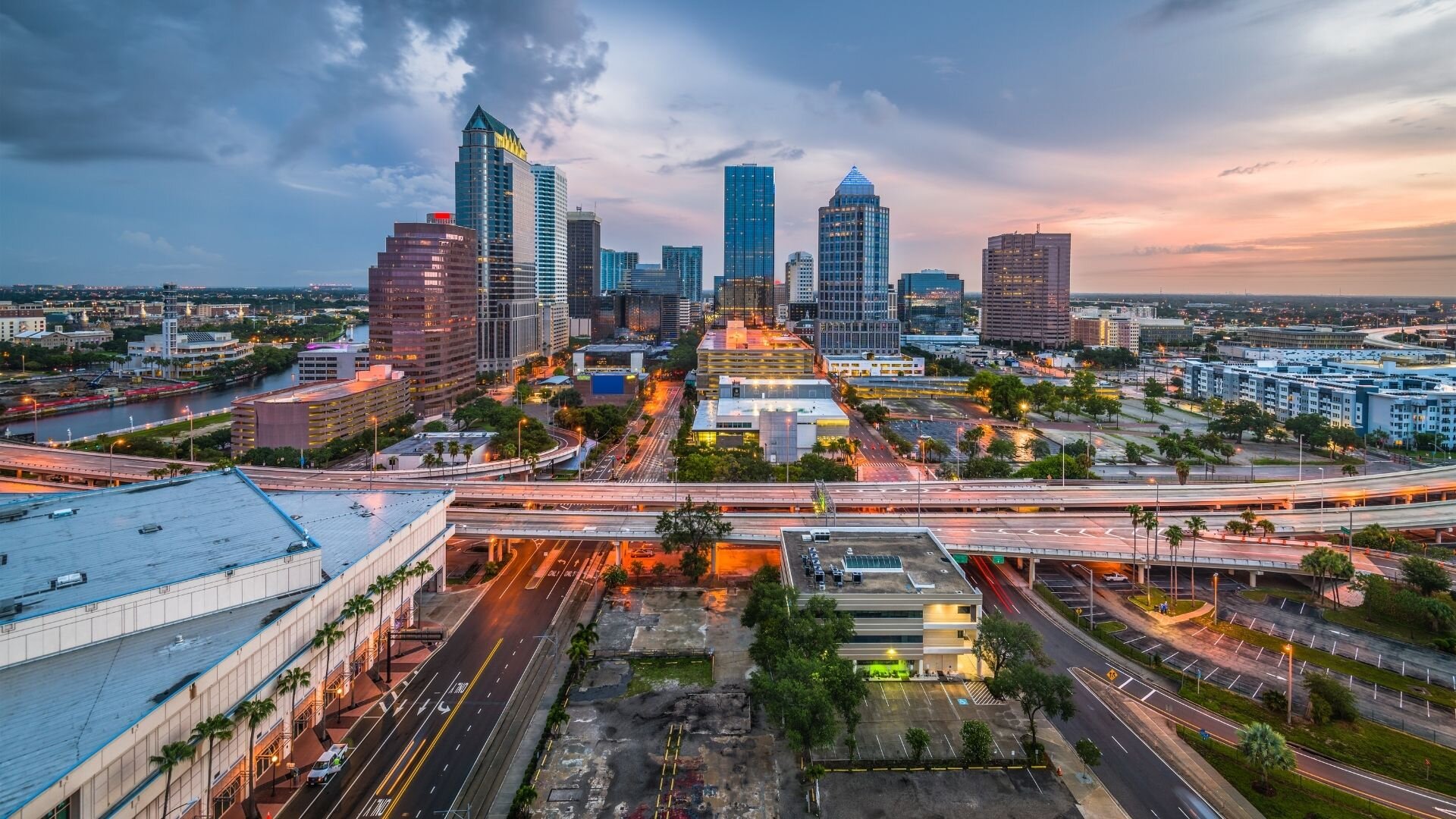
Owning a rental property in Tampa, Florida, could feel like steering a boat in the Gulf – smooth sailing most days, but unpredictable storms always lurk on the horizon. That’s why landlord insurance in Tampa is an important consideration.
Unlike standard homeowners insurance, landlord insurance is designed specifically for rental properties, providing coverage for risks such as tenant-related damages, liability claims, natural disasters, and lost rental income.
Consider landlord insurance as a safety net: while tenants are responsible for their personal belongings, you – the landlord – need protection for the structure, your investment, and the potential liabilities that come with renting.
Whether you own a single-family home in Seminole Heights, a condo in Channelside, or a multi-unit building near USF, landlord insurance can help you prepare for unexpected events.
Read on to explore what landlord insurance covers, factors that affect the rates, and actionable ways to help manage your annual premium.
Key takeaways
- Landlord insurance in Tampa can help address risks from tenant-related damage, which is not covered under standard homeowners insurance policies.
- Average landlord insurance premiums in Florida are among the highest in the U.S., with Tampa often incurring higher costs due to its Gulf Coast location and increased storm exposure.
- Rates depend on multiple factors, including property location, value, age, tenant type, claims history, and coverage options.
- Landlords could work to manage premiums by bundling policies, installing safety features, maintaining properties, raising deductibles, and hurricane-proofing homes.
- Coverage typically includes dwelling, liability, rental income loss, and other structures, with optional add-ons like flood, vandalism, sinkhole, and short-term rental coverage to address Tampa-specific risks.
How much is the average landlord insurance in Tampa, Florida?
The cost of landlord insurance in Tampa typically runs higher than in many other U.S. cities [1].
This is because Tampa’s location along the Gulf Coast puts it in the path of hurricanes, tropical storms, and flooding. Add in tenant-related risks, and insurance companies price policies accordingly.
What factors influence my landlord insurance rate?
Various factors could affect how much you’ll pay for landlord insurance in Tampa. Understanding them could help you better anticipate costs.
That said, here’s what insurance companies consider when determining your rate:
- Property location: Insurance providers see Tampa as a higher-risk city due to hurricanes and flooding. If your rental is near the coast, such as Davis Islands or Bayshore, expect higher premiums compared to properties further inland.
- Property value & replacement cost: The more expensive your property is to rebuild, the higher your insurance rate. A luxury waterfront home would naturally cost more to insure than a modest single-family rental.
- Type of property: Single-family homes usually cost less to insure than multi-unit buildings. Condos could also have different requirements, especially if the condo association already has its own master policy.
- Condition & age of the property: An older home in Ybor City with outdated wiring and plumbing could face higher premiums than a newly built home in Westchase with modern safety features.
- Claims history: If you have filed multiple insurance claims in the past, expect to pay higher annual premiums. Insurers see this as a red flag.
- Tenant types: Renting to long-term families might pose fewer risks than renting to short-term vacationers or student housing near the University of Tampa. Insurance companies consider tenant turnover and lifestyle risks.
- Coverage options: The more protection you add – like flood insurance or liability umbrellas – the higher your rate may be.
Common insurance discounts in Tampa, Florida
Even with rising premiums, Tampa landlords could inquire about several common discounts, such as:
- Bundling policies: If you insure multiple properties or bundle landlord insurance with auto or business insurance, your insurance company may offer multi-policy pricing adjustments.
- Security & safety features: When you install smoke detectors, sprinkler systems, deadbolts, and security cameras, they may influence insurer pricing by lowering the risk of fire or burglary.
- Claims-free discount: If you’ve gone years without filing a claim, insurers may take that into account when evaluating premiums.
- Professional landlord or association memberships: Being part of a landlord association or property management group in Tampa may affect pricing with some insurers.
What does landlord insurance in Tampa typically cover?
Also known as rental property insurance or rental-dwelling insurance, landlord insurance is designed to keep your rental property business running smoothly, even when unexpected problems arise.
In Tampa, landlord insurance typically covers these types of coverage options:
- Dwelling coverage: In Tampa, where hurricane season is a yearly concern, dwelling coverage is like having a sturdy umbrella ready. This helps cover repair or rebuilding costs if your property is damaged by storms, fires, or even vandalism.
- Personal belongings coverage: This insurance policy isn’t about your tenant’s stuff – that’s their responsibility. Instead, personal insurance protects items you keep at the rental for upkeep, like lawnmowers, tools, or maintenance equipment.
- Liability insurance: Imagine a tenant’s guest slipping on a wet patio by the pool. Without liability insurance policies, you could face hefty legal bills. Liability coverage steps in to cover medical expenses or settlements.
- Loss of rental income: If a major event makes your property uninhabitable, loss of rental income ensures you don’t lose your financial footing. The policy helps replace the rent you’d normally collect until repairs are made.
- Other structures: A landlord insurance policy in Tampa extends to other structures, such as garages, fences, or sheds, because damage isn’t always limited to the main building.
Additional landlord insurance coverage options
Standard landlord insurance offers various coverage options; however, in Tampa, certain risks require extra protection. Some landlords consider optional coverage to address these risks.
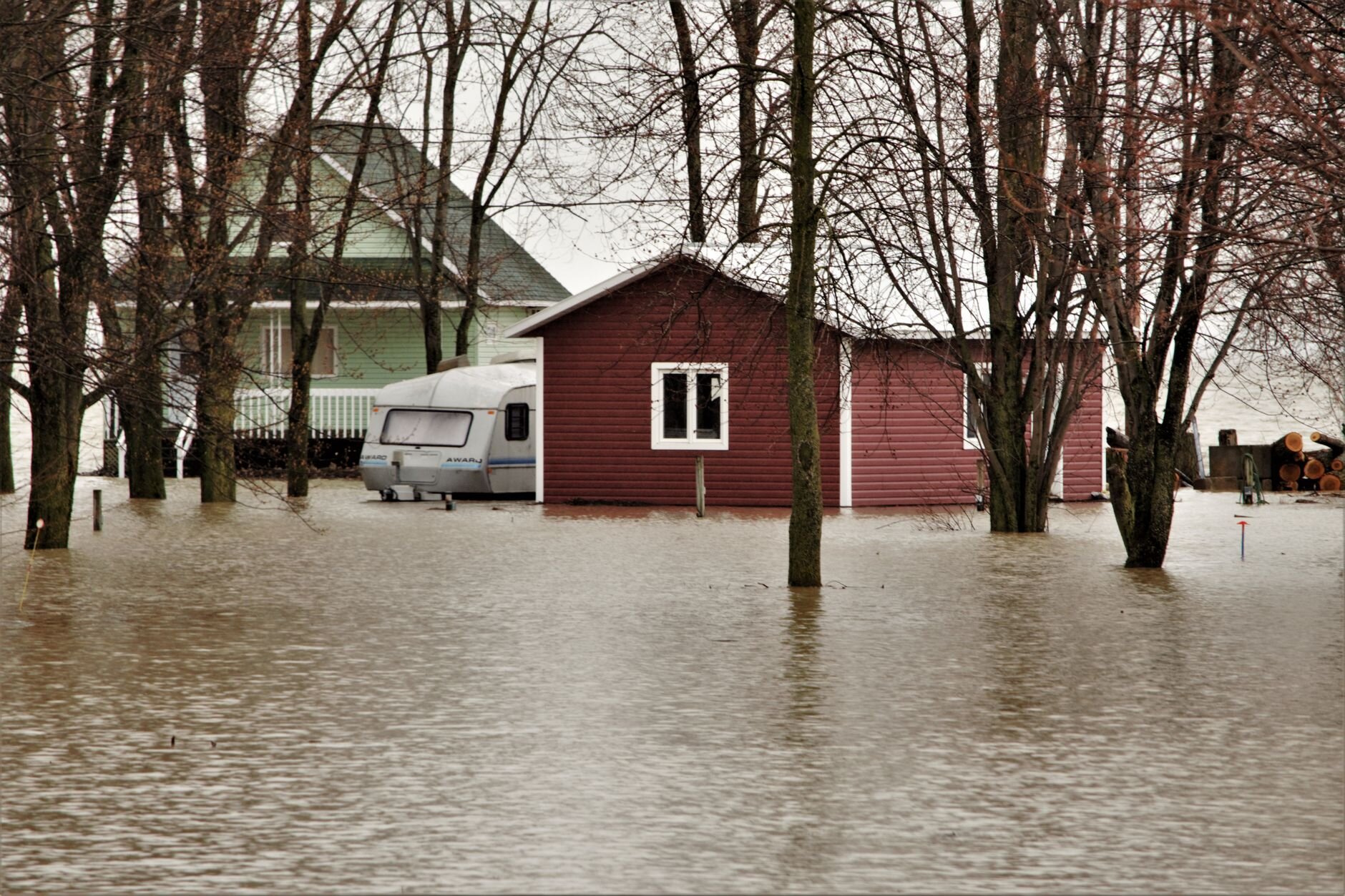
- Flood insurance: Your typical landlord insurance policy does not cover floods. Given Tampa’s coastal location, frequent heavy rains, and flood-prone neighborhoods (like those near Bayshore Boulevard or along the Hillsborough River), flood insurance is often essential. Without it, you could face massive out-of-pocket costs after even a moderate storm.
- Vandalism coverage: While some landlord policies cover vandalism, others exclude this unless you add the coverage separately. This policy covers damage to your rental property caused by intentional acts, such as graffiti, broken windows, or property destruction. If your property sits vacant for 90 days or more, vandalism coverage typically no longer applies – insurers assume empty homes attract higher risks.
- Sinkhole coverage: Florida is one of the states most affected by sinkholes, and while rare, they could cause devastating property damage. Standard landlord insurance won’t cover this risk unless you add a sinkhole rider.
- Short-term rental coverage: Platforms such as Airbnb and VRBO are popular in Tampa, especially near downtown, Hyde Park, or the beaches. However, short-term rentals carry higher risks because of frequent guest turnover. Regular landlord insurance doesn’t usually cover this scenario – you’ll need specific short-term rental coverage.
- Ordinance or law (building codes) coverage: After damage, you must repair or rebuild according to updated building codes. That often requires installing new wiring, upgrading plumbing, or improving ventilation – expenses that add up quickly. Ordinance or law coverage covers these additional costs.
What Tampa residents need to know
Living and renting in Tampa come with unique challenges that landlords should keep in mind:
- Hurricane Season Running from June to November, this season increases both risks and insurance costs. Preparing properties with shutters, roof reinforcements, and tenant safety plans is critical.
- Flood Zones: Many neighborhoods fall within FEMA flood zones. Even if your property isn’t “required” to carry flood insurance, it’s wise to consider the policy.
- Tenant Laws: Florida laws require landlords to maintain habitable conditions – failure to do so could result in liability claims. And if you experience a complex claim or dispute, consult with a landlord insurance lawyer in Tampa, Florida – this could give you the guidance you need to protect your rights.
- Insurance Market Volatility: Florida’s insurance market is currently in flux, with some insurers exiting the market. Always shop around for multiple quotes.
Note: If you ever run into coverage disputes, claim denials, or complex liability issues, consulting with a landlord insurance attorney in Tampa, Florida can help you understand legal considerations.
How to lower your Tampa landlord insurance premium
Landlord insurance premiums in Tampa could feel high, especially with the risks of hurricanes and flooding. Luckily, you don’t always have to pay top dollar.
With a few smart strategies, you could manage expenses while maintaining important protections. Here are some practical tips Tampa landlords could use:
- Raise your deductible: Your deductible is the amount you agree to pay out of pocket before your insurance kicks in. Choosing a higher deductible often lowers your monthly or yearly premium, but be prepared to pay this higher amount when you need to file a claim.
- Harden your property against hurricanes: One of Tampa’s biggest insurance risks is hurricane damage [2]. Some insurers may consider mitigation features when determining pricing. Installing roof straps to secure the roof to the frame, adding storm shutters or impact-resistant windows to protect against flying debris, and reinforcing doors and garage doors to withstand high winds are all upgrades landlords could make.
- Regular maintenance: Insurance companies prefer landlords who take care of their properties because this typically means fewer claims. Fixing small problems early prevents big, expensive ones later, like replacing old wiring, servicing HVAC systems regularly, and keeping the roof in good shape to prevent leaks.
- Shop around: Not all insurers treat Tampa properties the same way. Some specialize in coastal properties; others could charge more for flood-prone areas. Getting quotes from multiple providers helps you compare available options. Make sure to revisit your insurance every year.
Looking for landlord insurance in a different Florida city?
Landlord insurance varies across Florida. Check out guides for other cities:
Still have questions?
Want to learn more about landlord insurance in Tampa, Florida? Here are some frequently asked questions that Tampa landlords often ask when deciding on coverage.
What will you most likely need to insure as a Tampa landlord?
As a Tampa landlord, you’ll need to insure the structure of your rental property, liability risks, and potential loss of rental income. While tenants cover their personal belongings with renters insurance, you’re responsible for protecting the actual rental property.
How to estimate insurance on a Tampa rental property?
To estimate insurance on a Tampa rental property, factor in the replacement cost of the property, location (flood zone vs. inland), and type of tenants. Online calculators could provide ballpark figures; however, a local insurance agent who understands Tampa’s risks would give the most accurate estimate.
How much renters insurance should a landlord require in Tampa?
Many Tampa landlords require tenants to carry at least $100,000 in liability coverage and personal property coverage that suits their needs. This protects both tenants and landlords in certain scenarios involving liability.
How can I save money on my landlord insurance in Tampa?
You can manage costs by bundling policies, improving property safety, raising your deductible, and avoiding unnecessary claims. Installing hurricane-resistant upgrades is another step some landlords consider in high-risk areas.
Why is landlord insurance more expensive?
Landlord insurance is more expensive than standard homeowners insurance because rental properties face higher risks [3]. Tenants often do not care for the property as carefully as an owner-occupant, and landlords also face added liability from multiple people entering the premises.
Sources
1. Information from Policygenius.
2. Information from First Street.
3. Information from Insurance Information Institute.
Figures reflect averages from publicly available sources as of December 2025.
This article is for informational purposes only and was compiled from sources not affiliated with Hippo. While we believe this information to be reliable, we do not guarantee its accuracy or completeness. For any insurance-related decision, please consult your licensed insurance producer.