Condo Insurance in Tampa, Florida

Owning a condominium in Tampa, Florida, comes with many advantages – low-maintenance living, access to amenities, and proximity to the city’s beaches, restaurants, and entertainment.
However, owning a condo also means protecting your investment from risks like hurricanes, theft, fire, and water damage. That’s where condo insurance (also known as HO-6 insurance) comes in.
If you’re buying or already own a condo, it’s important to understand how condo insurance in Tampa, Florida, works, what this policy covers, and the total cost. This article will break it down step by step, allowing you to make informed decisions about protecting your property.
Key takeaways
- Condo insurance in Tampa is not legally mandated, but most lenders and condo associations require this coverage.
- Condo insurance differs from homeowners insurance since the policy only covers the inside of your unit, not the building’s structure or common areas.
- Standard condo insurance covers interior walls, personal belongings, liability, and additional living expenses.
- Policies exclude certain risks like floods, earthquakes, or intentional damage, but add-on coverage could fill gaps.
- You could reduce condo insurance costs by bundling policies, increasing deductibles, improving security, and shopping around.
Is condo insurance mandatory in Tampa, Florida?
Florida law does not require individual condo owners to carry insurance. However, there are two important points to keep in mind:
- Mortgage lenders usually require insurance: If you’re financing your condo, your lender may require condo insurance to protect their investment. Without proof of coverage, they could deny or cancel your loan.
- Condo associations often require this coverage: Tampa condo associations carry a “master policy” that covers the building’s exterior and shared spaces, but they typically require unit owners to have their own HO-6 policy for the interior and personal belongings.
In practice, if you own a condo in Tampa, you will almost certainly need condo insurance, even if the state does not directly mandate it.
How is condo insurance different from home insurance?
Condo insurance and home insurance often seem alike because both protect your property, belongings, and liability. But the main difference comes down to what you own and what you’re responsible for.
- Coverage area: Home insurance (HO-3 policy) covers the entire property, including the house structure, roof, yard, garage, and everything inside. In contrast, condo insurance (HO-6 policy) is more limited. It protects the interior of your unit only – walls, flooring, cabinets, and personal belongings. The condo association’s “master policy” covers the building’s exterior, roof, hallways, and common spaces like pools and gyms.
- Responsibility for repairs: As a homeowner, you’re on the hook for all repairs. If a storm damages the roof, you must fix it. In a condo, if the same storm damages the roof, the condo association is responsible. You would only handle repairs inside your unit, such as replacing broken windows or water-damaged floors.
- Premium costs: Since home insurance covers a larger area, it’s usually more expensive. Condo insurance tends to cost less because you’re insuring a smaller space, though in hurricane-prone areas like Tampa, premiums could still be high.
How much is condo insurance in Tampa, Florida?
The cost of condo insurance in Tampa varies depending on several factors:
- Location: Tampa is in a hurricane-prone region, which drives up insurance rates.
- Condo value: Higher-value units require more coverage.
- Coverage limits: The more protection you buy, the higher the premium.
- Deductible: Choosing a higher deductible could lower monthly costs.
- Personal factors: Your credit score, claims history, and security features (like alarms) all play a role.
On average, Tampa condo owners pay $995 [1] per year for HO-6 insurance. That’s about $83 per month. That said, costs vary across the city:
- Waterfront condos: Properties near Tampa Bay, the Gulf, or rivers are more expensive to insure due to hurricane, storm surge, and flood exposure. Flood insurance is often required separately.
- Downtown high-rises: Modern high-rise buildings with security and sprinkler systems keep premiums moderate, but high property values and luxury finishes increase coverage needs.
- Older condos: Units in older buildings face higher premiums due to outdated plumbing, wiring, or roofs that increase the risk of water and wind damage.
- Suburban or inland condos: Properties in areas like New Tampa or Carrollwood generally have more affordable premiums compared to waterfront neighborhoods.
What does condo insurance cover in Tampa, Florida?
A standard condo insurance policy in Tampa helps protect the parts of your condo that your association’s master policy does not. It mainly covers the inside of your unit, your belongings, your liability, and temporary living expenses if your condo becomes uninhabitable after a covered event.
Let’s break this down:
- Interior structure: Your policy covers the inside features of your condo, such as walls, ceilings, floors, cabinets, countertops, and built-in appliances. If a fire damages your kitchen cabinets or a storm breaks your windows, condo insurance helps pay for repairs or replacements. Essentially, it protects the parts of your unit you are personally responsible for.
- Personal property: This part protects your belongings, including furniture, electronics, clothing, and valuables. More so, this coverage often extends beyond your condo. For example, if your laptop is stolen from your car or your luggage is taken while traveling, your condo insurance may still provide reimbursement.
- Personal liability: Condo insurance also covers you if someone gets injured inside your unit. It helps pay for medical bills, legal fees, and damages if you are found responsible. For instance, if a guest trips on a rug in your living room and requires hospital care, liability coverage prevents you from paying out of pocket. If you ever face a dispute about liability coverage or claims, consult a condo insurance lawyer in Tampa, Florida. This will help you better understand your rights.
- Loss of use (additional living expenses): If your condo becomes unlivable due to covered damage – say, a fire or water damage – this coverage pays for temporary housing, meals, and other extra expenses until you return home.
Tampa condo insurance coverage exclusions
Condo insurance in Tampa provides important protection, but like all types of insurance, it comes with limitations and exclusions. Understanding these gaps is crucial so you don’t face unpleasant surprises after a loss.
Here are some of the most common exclusions condo owners in Tampa should be aware of:
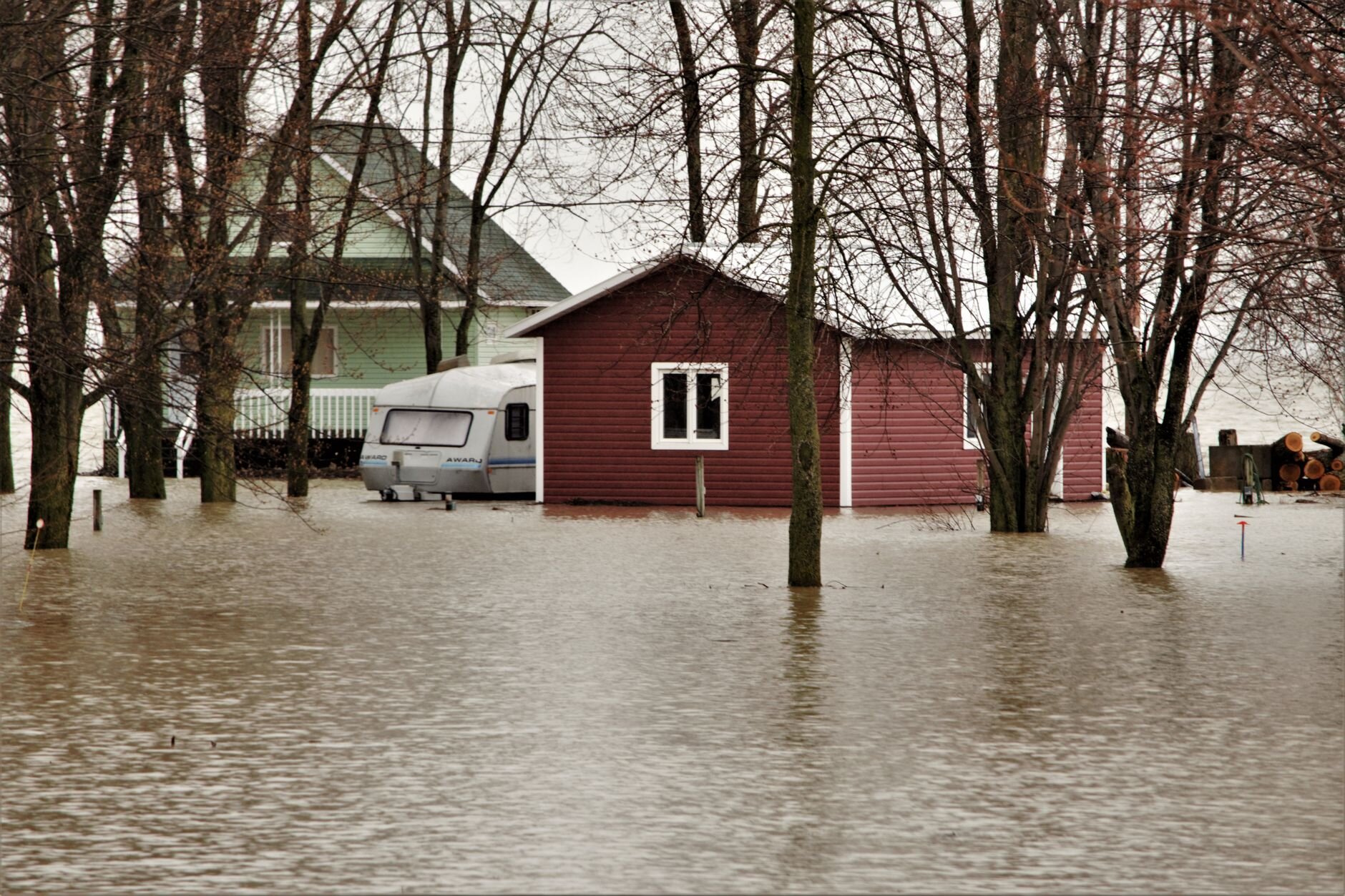
- Flooding: A standard condo insurance policy does not cover flood damage from heavy rain, storm surge, or rising water. Since Tampa is on the Gulf Coast and highly vulnerable to flooding, separate flood insurance is strongly recommended. You could buy it through FEMA’s National Flood Insurance Program (NFIP) or from private insurers.
- Earthquakes: Earthquakes are rare in Florida, but if one does occur, damage would not be covered unless you purchase a specific endorsement.
- Wear and tear: Insurance is designed for sudden and unexpected damage – not for routine maintenance issues. Problems like mold, termite infestations, plumbing leaks from neglect, or general deterioration are excluded.
- Intentional damage: Any losses caused on purpose – by you or someone in your household – are not covered.
Add-on coverage options
Because Tampa faces unique risks, many condo owners choose to strengthen their policies with optional add-ons:
- Flood insurance: Vital for condo owners living near water, especially in areas like Bayshore Boulevard, Davis Islands, or South Tampa. Standard HO-6 policies won’t protect against flood damage.
- Water backup coverage: Covers damage caused by water backing up from drains, sewers, or sump pumps – issues that could be costly to fix but are excluded from most standard policies.
- Unit assessment coverage: If your condo association charges all owners a “special assessment” to cover a major loss (such as repairing storm damage to the roof), this add-on helps cover your portion.
- Extended replacement cost: Provides extra protection if the cost to repair or rebuild your condo’s interior exceeds your policy limits, which could happen after widespread storm damage when construction costs rise.
- Scheduled personal property coverage: Ensures full protection for valuable items like jewelry, antiques, fine art, or expensive electronics that exceed standard policy limits.
If you’re unsure which add-ons make the most sense for your situation, speak with a condo insurance agent in Tampa, Florida. They could provide valuable guidance, especially when navigating complex policy language or disputes with your insurer.
Tips on how to reduce the costs of condo insurance in Tampa, Florida
Florida is known for its high insurance costs, especially in coastal cities like Tampa, where hurricanes and flooding pose significant risks. Still, there are several smart ways to make condo insurance more affordable without compromising your coverage:
- Bundle policy: One of the easiest strategies is to bundle policies. Many insurers offer discounts if you purchase both your condo and auto insurance through the same company.
- Increase your deductible: You could also raise your deductible to lower your premium, though this means paying more out-of-pocket if you file a small claim.
- Install safety mechanisms: Adding safety features is another effective way to cut costs. Smoke detectors, deadbolts, security alarms, fire extinguishers, and hurricane shutters not only protect your home but also signal to insurers that your risk is lower.
- Shop around: It also pays to shop around. Rates could vary significantly between insurance companies, so it’s wise to get at least three quotes before deciding.
- Maintain good credit: Maintaining good credit is equally important since Florida insurers often factor credit scores into pricing.
- Ask about association policies: Review your condo association’s master policy. If it already provides broad coverage for parts of your unit, you won’t need to buy as much individual coverage, which could lower your premium.
Still have questions?
Here are answers to common questions about condos and condo insurance in Tampa, FL.
Do condominiums in Tampa, FL, hold their value?
Yes, Tampa condos generally hold their value well, especially in desirable neighborhoods such as Hyde Park, Channelside, and along Bayshore Boulevard. The city’s strong job market, tourism appeal, and waterfront lifestyle contribute to steady demand.
How much should you save before buying a condo in Tampa, Florida?
You should save at least 10-20% of the purchase price for a down payment, plus 2–3% for closing costs. You’ll also want a cushion for monthly HOA fees, insurance, and an emergency fund.
Are condos in Tampa, FL, more expensive to insure?
Yes, compared to inland areas, Tampa condo insurance is usually more expensive. The city’s location in a hurricane-prone zone drives premiums higher, especially for waterfront properties.
Does condo insurance cover water damage?
Yes and no. Condo insurance covers water damage from sudden events, like a burst pipe or appliance leak. However, the policy does not cover flooding from heavy rain or storm surges. For that, you need separate flood insurance.
Is it better to own a condo or a house in Tampa, Florida?
This depends on your lifestyle and finances. Condo ownership may mean you have lower maintenance, access to amenities, and typically lower upfront costs. Owning a home gives you more privacy, the freedom to customize, and land ownership. For many, condos offer a balance between affordability, convenience, and location.
Sources:
- Information gathered from Nerdwallet
Figures reflect averages from publicly available sources as of December 2025.
This article is for informational purposes only and was compiled from sources not affiliated with Hippo. While we believe this information to be reliable, we do not guarantee its accuracy or completeness. For any insurance-related decision, please consult your licensed insurance producer.