Condo Insurance in Fort Myers, Florida
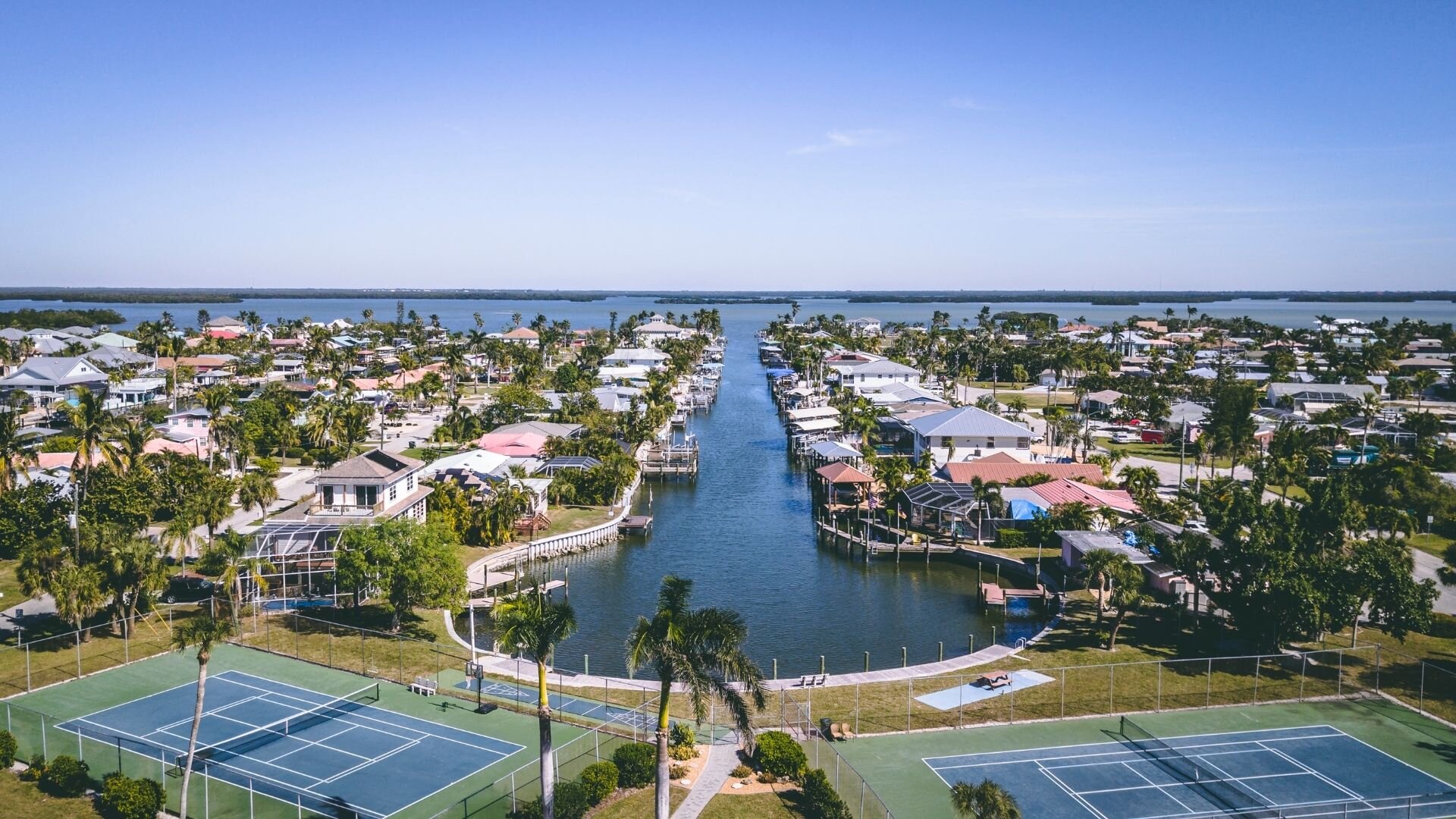
Fort Myers extends from the River District to the nearby beaches, blending coastal charm with rich history. Many condos line the Caloosahatchee River, situated near marinas, parks, and landmarks such as the Edison and Ford Winter Estates. However, living in such a beautiful area has its risks.
Nearly 51% of households in Fort Myers are renter-occupied, which means many properties face an increased risk of damage or loss. Additionally, condo owners face the well-known challenges of Florida, including hurricanes, flooding, and tropical storms.
Condo owners also face everyday concerns like fire hazards in multi-unit buildings, break-ins, water damage, or accidents inside their units. Without the right coverage, the costs of repairs or replacing belongings could quickly add up.
This is why many condo owners consider insurance important. Standard homeowners insurance does not cover the unique risks of condo ownership, leaving certain exposures unaddressed. Condo insurance in Fort Myers, Florida, helps fill these gaps and may help with covered losses.
Key takeaways
- Fort Myers condo owners face risks like hurricanes, flooding, and water damage, making insurance a consideration for addressing certain risks.
- Florida law does not require condo insurance, but most HOAs and lenders in Fort Myers do.
- Condo insurance protects interiors, belongings, liability, and loss of use, while home insurance covers the whole property.
- Add-on options include flood coverage, hurricane deductible buy-back, unit assessment, umbrella insurance, sinkhole coverage, and animal liability.
- You could manage premiums by adjusting deductibles, improving safety features, comparing quotes, and bundling with other policies.
Is condo insurance mandatory in Fort Myers, Florida?
Condo insurance is not required by Florida law. Still, most condo associations (HOA) or mortgage lenders in Fort Myers make their own rules and usually require owners to get coverage. These rules are meant to protect the building and each owner if damage happens.
Most associations provide what is called a master policy. This policy covers shared spaces, including hallways, roofs, and exterior walls. Yet, it rarely covers the interior of your unit. Because of this, one must purchase a personal condo insurance policy, often called HO-6, to cover belongings, fixtures, and liability.
If you skip insurance, your home and money are at risk since storms, water damage, or accidents could happen. So even though Florida does not make condo insurance a must, your association’s rules and real-life risks make it something many owners elect to purchase.
How is condo insurance different from home insurance?
Condo insurance and home insurance both protect property owners, but they cover different needs. Home insurance typically applies to single-family homes, while condo insurance is designed for condominiums or shared buildings.
A homeowners policy covers the entire structure, including the roof, exterior walls, and land surrounding the building. In comparison, condo owners are only responsible for their personal unit. The condo association typically provides a master policy that covers common areas and the building's exterior.
Condo insurance focuses on the interior of the unit and personal belongings. It usually covers fixtures, flooring, appliances, and liability inside the unit.
To make the difference clear:
- Home insurance protects the whole property, inside and out.
- Condo insurance protects what is inside your unit, plus personal liability.
How much is condo insurance in Fort Myers, Florida?
The cost of condo insurance in Fort Myers, Florida, fluctuates based on location, property value, and building requirements. On average, Fort Myers condo owners spend approximately $1,060 per year (or about $89 [1] per month) for an HO-6 insurance policy.
This amount is an estimate, and your actual premium varies due to different factors. Below are key factors insurers evaluate when determining condo insurance premiums:
- Age and condition of the building: Older buildings or those in need of repairs might cost more to insure.
- Coverage limits and deductibles: Higher coverage could increase premiums, while higher deductibles could reduce costs.
- Claims history: A record of multiple claims could increase premiums, but a clean record might reduce them.
- Security and safety features: Smoke detectors, smart home devices, alarms, and storm shutters may be considered by insurers in pricing.
- Location and risk exposure: Proximity to the Gulf or hurricane-prone areas generally results in higher rates.
- Proximity to the coast: Condos near Fort Myers Beach or Sanibel often face higher premiums due to storm surge and wind risks.
- Crime rates: Areas with higher theft or vandalism might see higher insurance costs.
- Distance from emergency services: Being near a fire station or hydrant may influence insurer assessments.
Now let’s see how condo insurance costs compare in other cities.
Phoenix
Phoenix residents top this list, paying an average annual cost of $1,095 [2]. Higher property values and wildfire risk both contribute to increased premiums.
Jacksonville
In Jacksonville, condo owners pay around $770 [3] annually. Due to its inland location, hurricane risk is lower than in coastal areas, and premiums remain more affordable.
Orlando
Condo insurance in Orlando averages $985 [4] each year. While storm risks do exist, properties further from the coast often benefit from more moderate pricing.
Philadelphia
At around $660 [5] per year, Philadelphia's rates are much lower. The city's reduced exposure to hurricanes and coastal flooding contribute to lower insurance costs.
What does condo insurance cover in Fort Myers, Florida?
Condo insurance in Fort Myers, FL, offers a range of protections, but also imposes specific obligations. One key obligation is ensuring your condo is adequately insured. A standard condo insurance policy contains several protections designed to safeguard your property and finances. Here is what it includes:
- Interior Structures: The master policy usually covers the building's exterior, but not the interiors. Interior coverage protects walls, floors, built-in cabinets, and fixtures inside your unit.
- Personal Belongings: Furniture, electronics, clothing, and other items within your condo are protected. Policies typically reimburse losses from theft, fire, or certain weather events.
- Loss of Use: If your property becomes uninhabitable after a covered event, the policy pays for temporary living costs. This could include hotel stays, meals, or rent.
- Personal Liability: Liability coverage protects you if someone is injured in your unit. It also covers accidental damage you cause to another person’s property.
Condo Insurance Coverage Exclusions
While condo insurance covers many perils, some risks fall outside the standard policy. Let’s examine what is excluded from coverage.
- Flood Damage: Standard condo insurance excludes flood-related damage. This is a major concern in Fort Myers due to its coastal setting and hurricane risk.
- Earthquake Damage: Although earthquakes are rare in Florida, damage from ground movement is not covered. You might need to buy additional earthquake insurance to protect yourself.
- Wear and Tear: Normal aging of systems, such as plumbing or roofs, is not covered. Maintenance remains the responsibility of the condo owner.
- Pest Infestations: Damage from termites, rodents, or insects is excluded, as prevention falls under routine maintenance.
- High-Value Items: Jewelry, art, and collectibles might have limited protection under a standard policy. Separate coverage is required for full value.
Add-On Coverage Options
Fortunately, condo insurance could be customized with add-ons to cover risks excluded by a basic policy. These options offer flexibility to Fort Myers condo owners, who are particularly exposed to the weather and coastal living.
- Flood Insurance: A separate flood policy covers damage from storm surge, heavy rain, or rising water. Since Fort Myers is in a flood-prone area, many owners choose this add-on.
- Hurricane Insurance: Florida policies often assign higher deductibles for hurricane claims. A buy-back policy may help reduce certain out-of-pocket expenses after covered hurricane losses.
- Scheduled Personal Property: High-value items such as jewelry, watches, or fine art could be protected through scheduled coverage. This ensures you receive full value up to policy limits if they are lost or stolen.
- Unit Assessment Coverage: Condo associations might charge owners for damage to shared property that exceeds the master policy. This coverage helps pay your portion of such assessments.
- Umbrella Insurance: An umbrella policy adds extra liability protection beyond standard condo insurance. It is useful for owners seeking additional liability limits.
- Sinkhole coverage: Protects your unit against damage caused by sinkholes, which are a known risk in Florida.
- Animal liability: Offers protection if your pet injures someone. Standard policies often exclude certain dog breeds, but this coverage offers additional liability protection when available.
Tips on how to reduce the costs of condo insurance in Fort Myers, Florida
Condo insurance is a common component of owning property in Fort Myers. Fortunately, you could take several practical steps to manage this expense without sacrificing important coverage.
- Adjust deductibles wisely: Consider raising the deductible to lower monthly premiums. While this choice reduces ongoing costs, it also means incurring additional expenses out of pocket if a claim arises. You should balance savings with risk tolerance to make the deductible work in your favor.
- Upgrade safety features: Improve the condo with safety measures such as smoke detectors, security alarms, hurricane shutters, or reinforced windows. These features reduce the likelihood of damage or loss, and some insurers may take them into account during underwriting.
- Maintain a clean claims history: Fewer claims may influence pricing.
- Compare quotes regularly: Shop around and compare quotes from multiple insurance companies. Insurers weigh risk differently, so rates vary even for the same coverage. Revisit options each year to ensure you are not paying more than necessary under your current policy.
- Bundle insurance policies: Combine condo insurance with auto, umbrella, or other policies when possible. Bundling may result in pricing considerations from some insurers.
- Ask about discounts: Inquire about available discounts, as many insurers may offer them.
- Review coverage needs carefully: Evaluate coverage regularly to ensure it aligns with the current value of the condo and its contents. Over-insuring leads to unnecessary costs, while under-insuring leaves gaps in protection. Adjusting coverage can help align costs with needs.
Still have questions?
Find quick answers to the most common condo insurance and ownership questions in Fort Myers.
Are condos in Fort Myers, FL, more expensive to insure?
Condo insurance in Fort Myers is often higher than in inland areas due to hurricanes and floods. Costs depend on location, age, and coverage.
How much should you save before buying a condo in Fort Myers, Florida?
A realistic savings goal for a median-priced condo in Fort Myers is between $25,000 and $80,000 [6]. This wide range primarily depends on your chosen down payment percentage and the specific closing costs associated with your purchase.
Do condominiums in Fort Myers, FL, hold their value?
Condos in Fort Myers may retain value, especially near the Gulf. Factors such as local market conditions, building upkeep, management quality, and location significantly influence long-term value.
Is it better to own a condo or a house in Fort Myers, Florida?
The choice depends on lifestyle and budget. Condos give shared amenities and less upkeep, while houses offer more privacy but higher maintenance.
Does condo insurance cover water damage?
Condo insurance typically covers sudden water damage, such as a broken pipe. It does not cover floods, which require a separate flood policy.
Sources
1. Data gathered from NerdWallet
2, 3, 4, 5. Data gathered from NerdWallet
6. Data gathered from Zillow
Figures reflect averages from publicly available sources as of December 2025.
This article is for informational purposes only and was compiled from sources not affiliated with Hippo. While we believe this information to be reliable, we do not guarantee its accuracy or completeness. For any insurance-related decision, please consult your licensed insurance producer.