Average Cost: How Much Is Fire Insurance in California?
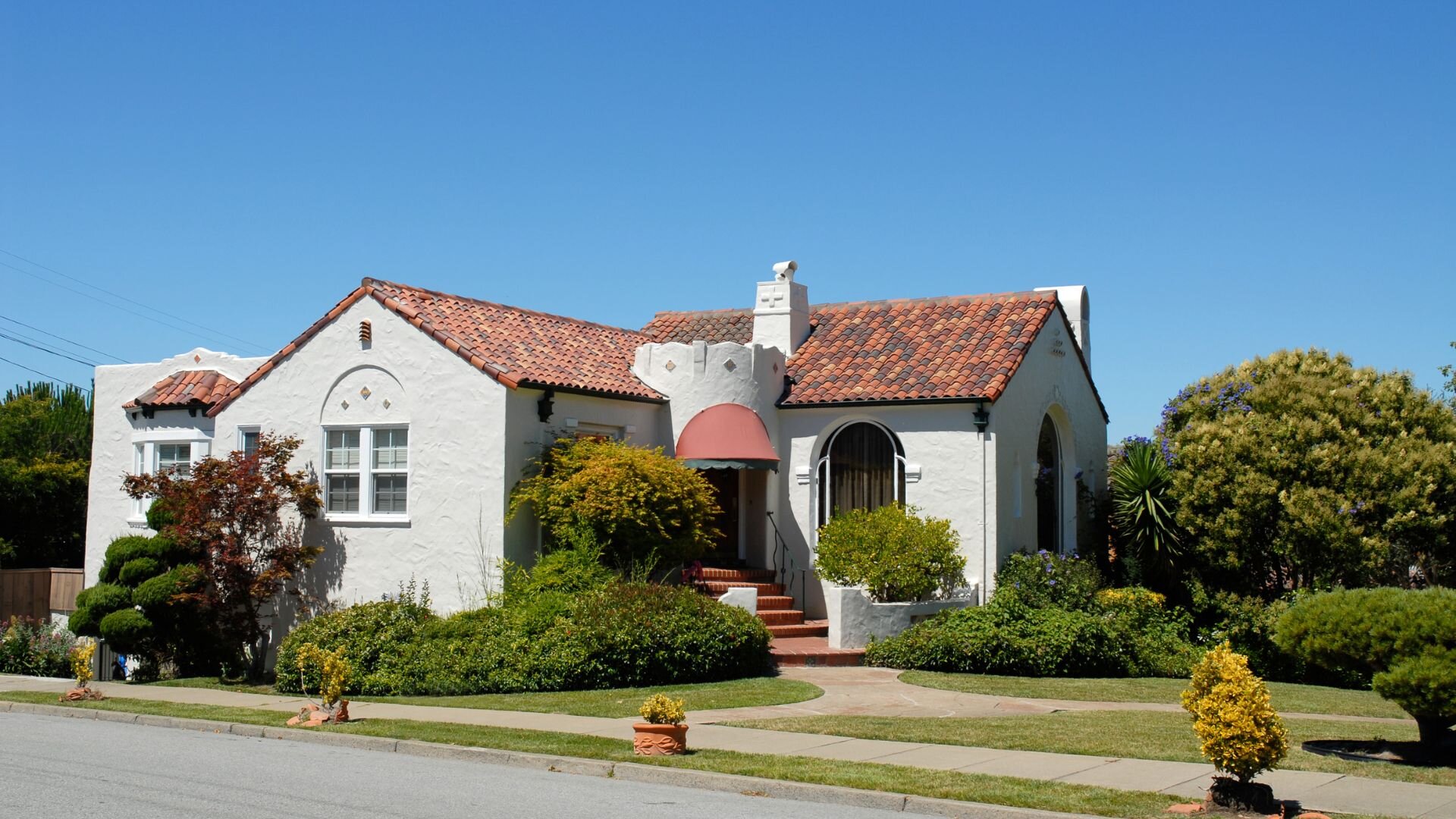
Imagine living in a quiet hillside neighborhood surrounded by golden California landscapes – the kind of view that makes you fall in love with your home every day. However, as summer heat builds and wildfires become a yearly reality, that beauty comes with a lingering worry.
You start to wonder: How much is fire insurance in California a month? If flames ever come too close, will your policy cover the cost to rebuild – or will your premiums skyrocket? The uncertainty alone could be stressful, especially when the safety of your home and finances are on the line.
For many Californians, these questions aren’t hypothetical – they’re part of everyday life. The issue of how much is fire insurance in California goes far beyond numbers on a bill; it determines whether you could afford to stay in your home, recover from a disaster, or even sell your property in the future.
Given the state’s complex wildfire landscape, the National Insurance Association – known for its detailed analysis of homeowners insurance trends – offers valuable insights into typical fire insurance expenses and what homeowners should consider before choosing a policy.
With that said, this article will help break down California fire insurance costs, explain what drives premiums up or down, explore how rates vary by region, and share practical strategies to protect your home – while managing expenses.
Key takeaways
- Fire insurance premiums in California are highly variable – there’s not a “standard” rate.
- Wildfire risk, home construction and value, and proximity to fire-prone areas push costs upward.
- Policy design – deductibles, replacement cost vs. actual cash value, coverage limits – makes a big difference.
- Certain mitigation steps, available discounts, and policy choices may help manage insurance costs..
- In many high-risk areas, homeowners must rely on the California FAIR Plan as a last resort, which tends to be more expensive and limited.
Average fire insurance costs in California
When people talk about “fire insurance,” they often mean the fire (or wildfire) portion embedded in standard homeowners insurance policies (HO-3, HO-5, etc.). This coverage helps pay to repair or rebuild your home and replace personal belongings if they’re damaged or destroyed by fire.
That said, fire insurance costs in California are some of the highest in the nation, primarily due to the state’s ongoing wildfire crisis. On average, California homeowners pay around $1,335 [1] per year for insurance that includes fire coverage. However, in high-risk wildfire zones, premiums could climb much higher. How much is fire insurance in California a month varies depending on your policy, location, and the carrier, among other criteria.
Here’s a general breakdown of average fire insurance costs by region [2]:
Region | Average Annual Premium | Estimated Monthly Cost |
|---|---|---|
San Diego | $1,305 | $109 |
San Francisco | $1,345 | $112 |
Los Angeles | $1,570 | $131 |
Sacramento | $1,195 | $100 |
Fresno | $1,340 | $112 |
Note: These numbers are intended as illustrative ranges, not guarantees. These figures are averages and may vary depending on many factors (which we’ll cover next).
Factors influencing fire insurance costs
When assessing how much does fire insurance cost in California, insurers look at a variety of property-specific factors like those listed below.
Home value and structure
Your home’s value, size, and construction materials are among the first things many insurers assess when calculating fire insurance premiums.
In California – where wildfire risks vary dramatically between neighborhoods – the details of your home could make the difference between an affordable policy and one that costs several thousand dollars a year.
- Dwelling coverage amount: At its core, your fire insurance premium reflects what it would cost to rebuild your home if it were completely destroyed. A high-value home costs more to insure simply because replacement costs – materials, labor, and finishes – are higher. For example, rebuilding a $1.5 million property in Napa Valley requires specialized materials and skilled labor, while a $400,000 home in suburban Riverside may rely on more standard construction. Companies base premiums on those replacement values, so even if both homes face similar fire risks, the higher-value home will always carry a larger premium.
- Construction materials: Not all homes burn the same way. A brick or stucco home with a tile or metal roof could naturally withstand fire exposure better than a wood-frame house with wooden shingles, which acts almost like fuel during a wildfire. Insurers in California classify homes by their combustibility – fire-resistant materials fall into lower-risk categories and typically qualify for lower rates. Adding features such as spark arrestors, enclosed eaves, or fire-resistant siding also helps you qualify for discounts.
- Age of home and maintenance: Older homes – especially those built before modern electrical and building standards – often have outdated wiring, aging roofs, or open vents that increase fire vulnerability. In contrast, homeowners who invest in roof replacements, double-pane windows, or defensible space landscaping (keeping vegetation trimmed and debris cleared) may receive lower rates. Upgrades that reduce ignition potential show insurers that you’ve taken steps to manage risk.
- Size and layout: The larger the home, the more there is to protect. A big house with multiple rooms, decks, and attached garages provides more surfaces and pathways for fire to spread. Additional structures – such as sheds or barns – also raise coverage needs and, therefore, premiums. Proximity to water sources or fire stations matters, too; a long distance from hydrants or emergency services increases the insurer’s perceived risk.
- Modern fire codes make a difference: Homes built or renovated to meet California Building Code Chapter 7A, which sets standards for wildfire-resistant construction, could substantially reduce premiums. For example, a 2,500-sq-ft stucco house built in 2018 with a tile roof may pay half the fire portion of the premium compared to a 1950 wood-frame home with cedar shingles in the same ZIP code.
Proximity to fire-prone areas
Where your home is located could affect how much you pay for fire insurance in California. Living near brush, forested slopes, or within what’s known as the wildland-urban interface (WUI) – areas where homes border or intermingle with natural vegetation – considerably increases the risk of wildfire damage.
Because of this elevated danger, insurance companies often charge higher premiums or even restrict coverage altogether in these zones.
According to the National Interagency Fire Center, California consistently leads the nation in both the number of wildfires and total acres burned each year. The California Department of Forestry and Fire Protection (CAL FIRE) reported that in 2024, the state experienced 8,024 wildfires, which scorched approximately 1,049,963 acres and destroyed or damaged over 2,000 structures.
These staggering figures underscore just how volatile California’s fire landscape has become – especially in regions where development pushes deeper into fire-prone terrain.
Insurance companies carefully analyze these risks when determining rates. Under Senate Bill 824, insurers must submit wildfire loss data by ZIP code and risk score to the California Department of Insurance. This transparency helps ensure that premiums more accurately reflect the local fire hazard, but it also means that neighborhoods even a few streets apart can see drastically different rates.
For example, a home located 100 yards from a brush line could face a steep premium increase compared to an identical property a mile away in open or urban terrain. Homes built on steep slopes or canyon ridges, where fire spreads faster and firefighting access is more difficult, often face even higher surcharges – or may be denied standard coverage entirely.
In extreme cases, homeowners in these high-risk zones must turn to the California FAIR Plan, the state’s insurer of last resort. While it provides essential fire protection, FAIR Plan policies could cost several times more than standard homeowners insurance and offer more limited coverage.
Policy features beyond basic fire coverage
Not all fire insurance policies are created equal. The features and add-ons you choose could significantly affect your total cost. Here are some key distinctions to keep in mind:
- Replacement cost vs. Actual cash value: Replacement cost coverage pays to rebuild your home using materials of similar quality – without subtracting depreciation. Actual cash value coverage deducts depreciation, meaning you’ll receive less for older or worn-out structures. While replacement cost policies have higher premiums, they provide much better financial protection in the event of a total loss.
- Policy limits: Insurers set limits on how much they’ll pay for dwelling and personal property damage. If your coverage limits are too low, you might end up underinsured. Increasing limits provides peace of mind but also raises your premium.
- Deductibles: A higher deductible reduces your annual premium but means you’ll pay more out-of-pocket if you file a claim. Homeowners should choose deductibles of $1,000 or above to strike a balance between cost and protection and save more.
Strategies for navigating fire insurance costs in California
With fire insurance costs in California climbing and coverage becoming harder to secure, homeowners must be proactive. Here are a few practical strategies to help reduce expenses and keep coverage affordable — whether you own a traditional home or a mobile home in a high-risk zone.
Improve Your Home’s Fire Resilience
Insurance companies reward properties that meet the “Firewise” standards, homes designed or retrofitted to reduce wildfire risk. You could:
- Replace wooden roofs with Class A fire-rated materials like asphalt shingles or metal.
- Create defensible space by clearing flammable vegetation at least 100 feet from structures.
- Install ember-resistant vents and non-combustible siding.
- Install sprinkler systems or upgraded detection devices, which some insurers may take into consideration when assessing risk.
Bundle Policies
Some insurers offer discounts for bundling home insurance with auto or other policies. Most major insurers in the state of California offer these bundle discounts, even in areas with elevated wildfire risk. This may help homeowners searching for affordable fire insurance in California without compromising coverage quality.
Join Community Fire Programs
Participate in Firewise USA or local defensible space programs. Depending on your carrier, some communities recognized by these programs may enjoy reduced premiums.
Shop Around and Compare
Don’t settle for the first quote. Some insurers may focus on certain regions or property types, which can influence pricing and policy options. Using comparison tools or consulting an independent insurance professional can help identify options available in your area,
Consider the California FAIR Plan
If you’re unable to find coverage through private insurers, the California FAIR Plan provides last-resort fire insurance for homeowners in high-risk areas. While premiums are often steep, you could combine FAIR Plan coverage (which only covers fire and smoke) with a Difference in Conditions (DIC) policy for broader protection, including theft and liability.
Still have questions?
Want to learn more about the cost of fire insurance in California, the policy specifics, state law, and what is required or possible? Here are some frequently asked questions.
Why is fire insurance so expensive in California?
California fire insurance costs are high primarily because of the state's increasing wildfire risk. Over the past decade, climate change has intensified drought, dry vegetation, and wind events, leading to more frequent, larger, and more unpredictable fires [3]. In addition, insurers face high reinsurance costs, strict regulatory constraints (like Proposition 103), and limited competition in high-risk zones. Some insurers have even exited the market to minimize risk.
How hard is it to get fire insurance in California?
It is becoming more challenging, especially in wildfire-prone or remote areas. Many insurers have restricted new business applications or nonrenewed existing policies in risky ZIP codes. When that happens, homeowners often must resort to the California FAIR Plan. Some homes are effectively uninsurable in the private market unless they implement significant fire mitigation upgrades.
How much fire insurance should I have in California?
You should aim for dwelling (structure) coverage equal to the full replacement cost of your home – i.e., what it would cost to rebuild it today. Add coverage for detached structures (garages, sheds), personal property (contents), debris removal, and code upgrades. In many cases, choosing at least $500,000–$1,000,000 or more in coverage is prudent. However, don’t overinsure: the marginal cost of huge excess coverage may exceed its utility. Always align coverage with real rebuild estimates from contractors in your region.
Is fire insurance required in California?
There is no statewide mandate that homeowners must carry fire insurance, but most mortgage lenders require it as part of a home insurance policy. In high-risk areas, lenders may demand proof that your policy covers wildfire damage specifically. Also, some state or local wildfire mitigation programs require proof of coverage as a condition for grants or rebates.
What is the new fire law in California?
One of the key recent changes is a requirement that insurers increase wildfire coverage in high-risk areas by 5% every two years until 85% of their market share is written in those zones. Another change allows insurers to pass on reinsurance costs to policyholders and consider climate risk models in rate setting. Moreover, the FAIR Plan has imposed a $1 billion assessment to stay solvent after recent wildfire losses, which will be passed to many homeowners as temporary surcharges.
Sources
1, 2. Information from Nerd Wallet.
3. Information from NASA.
Figures reflect averages from publicly available sources as of November 2025.
This article is for informational purposes only and was compiled from sources not affiliated with Hippo. While we believe this information to be reliable, we do not guarantee its accuracy or completeness. For any insurance-related decision, please consult your licensed insurance producer.